Africa-Press – Angola. The protection of children and their living in safe environments for growth continue to be one of UNICEF Angola’s main commitments, for whom violence against girls is among the most urgent issues to be resolved in the country.
In a report, the organization considers sexual and domestic violence against women and girls worrying, despite the complaints made. Another call of attention of the organization is for the case of the girls accused of witchcraft, forced to aggressions and to abandon the home.
To this end, UNICEF Angola created a sub-programme to combat violence against children to help effectively mitigate the threats of violence, abuse, exploitation, neglect, discrimination and exclusion against children in the country.
Children’s Rights
Among the goals of UNICEF Angola is the strengthening of the prevention system, through support to “key institutions”, such as the National Children’s Institute (INAC), in order to develop and implement a communication strategy to change habits social, especially those involving practices harmful to children, such as child marriage, violence, abuse and sexual exploitation.
With these actions, the organization hopes to strengthen the response capacity of INAC, which has already implemented an alert and denouncement mechanism, the “SOS – Criança” line, terminal 15015, created to improve the effectiveness of child protection networks.
Real Frame
Even with the terminal and the prompt intervention of INAC, in some cases, the number of reports of acts of violence against children tends to increase daily. In the last week alone, the “SOS-Criança” hotline registered 383 complaints, of which 119 were violence against children.
Sexual abuse is among the most alarming cases, according to INAC, due to the fact that some of them end in the teenage pregnancy.
The Date
Around the world, millions of girls experience all types of discrimination, abuse and violence from an early age. Gender inequality, for example, is a practice that contributes to the increase in poverty against girls.
Faced with this reality, the United Nations established the International Day of the Girl. The first International Day of the Girl was celebrated on 11 October 2012. The celebration marks the progress made in promoting the rights of adolescent girls and women and recognizes the need to scale up strategies to eliminate gender inequalities around the world.
Inequalities include access and rights to education, nutrition, medical care and protection from discrimination, violence and forced child marriage.
The initiative aims to make the world’s population aware of the empowerment of girls around the world, and particularly in developing countries, through education. In addition, the action stimulates the development of projects and public policies to boost girls’ potential and ensure the full exercise of their rights.
All over the world, the day is celebrated with awareness-raising activities.
History
The International Girl’s Day initiative started as a project of Plan International, a non-governmental organization, which operates around the world. The idea of creating an international day to raise awareness of girls’ rights grew out of the global campaign “Por Ser Menina”, which aimed to raise awareness of the world’s population about the empowerment of girls around the world and particularly in developing countries, through education.
The date was formally proposed as a resolution by Canada at the United Nations General Assembly. In the document, Canada recognizes the importance of empowerment and greater investment in girls. Each year, International Girl’s Day has a theme. The first was “Ending Child Marriage.” But over the years, many other issues related to girls have been analyzed, such as education and empowerment.
A Look Around The World
In times of the Covid-19 pandemic, the risk of a worsening situation for girls was considered greater, particularly in rural and poorer areas.
One of the concerns of world governments was that with the closure of schools, millions of girls would drop out before completing their studies, especially those living in poor areas, or with disabilities.
Global data also indicate that 13 million girls, aged 15 to 19, have experienced rape in their lifetime. While girls fear for their safety, they cannot realize their full potential and are discouraged from seeking education, employment and other social and political opportunities.
Today, in several countries, girl-led movements are addressing issues such as climate change, child marriage, racial injustice, female genital mutilation, access to education, sexual and reproductive health, inequality of skills and learning, and mental health, demonstrating that they can contribute to change.
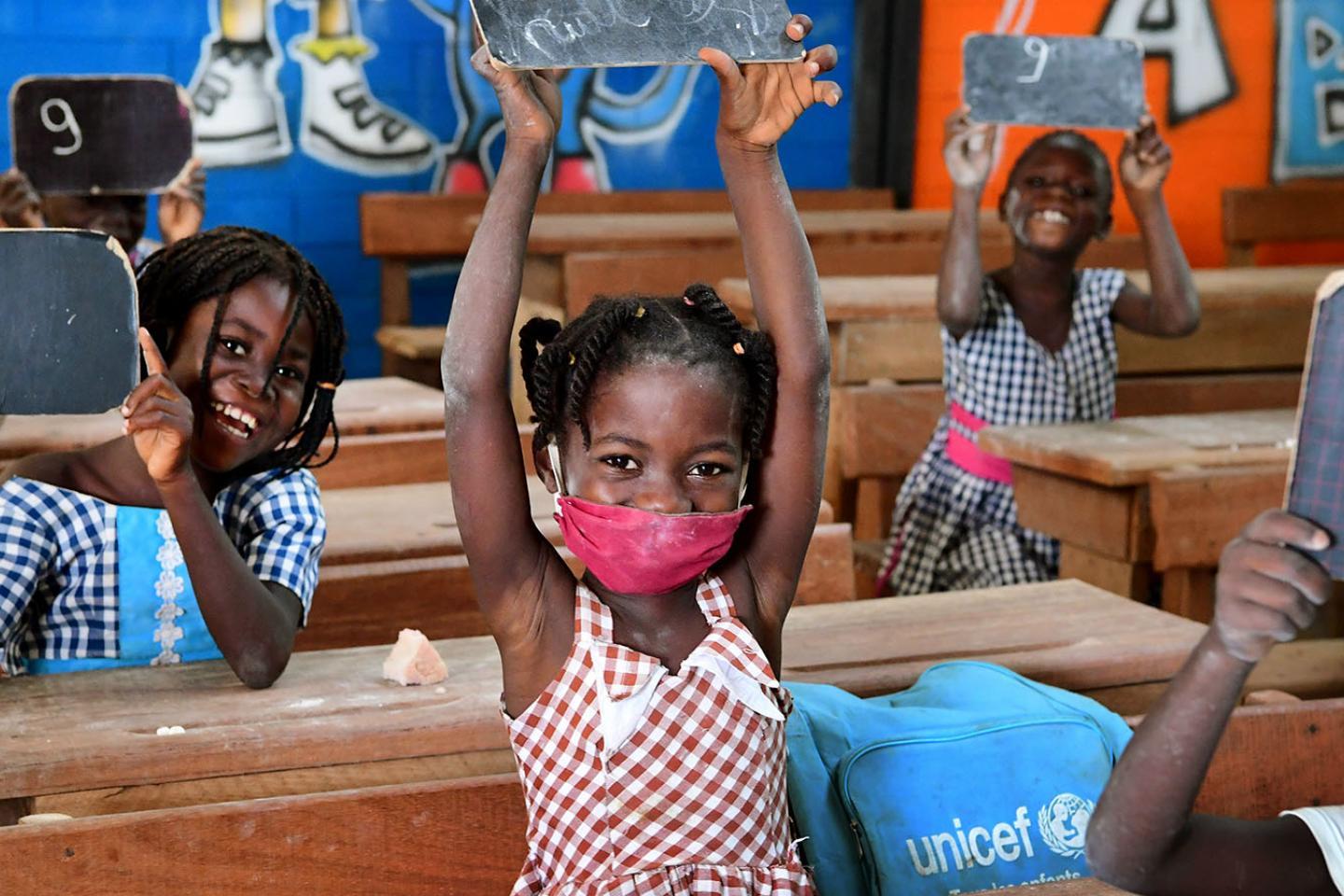
UNICEF congratulates all the girls on the date. Despite having been instituted relatively recently, in 2011, after recognition by the United Nations General Assembly, the International Day of the Girl represents a victory in the decades-long struggle for the rights of the girl.
For More News And Analysis About Angola Follow Africa-Press