Africa-Press – Angola. Assuming the rotating presidency of the Organization of African, Caribbean and Pacific States (OEACP) marked Angola’s diplomatic agenda in 2022.
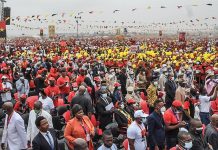
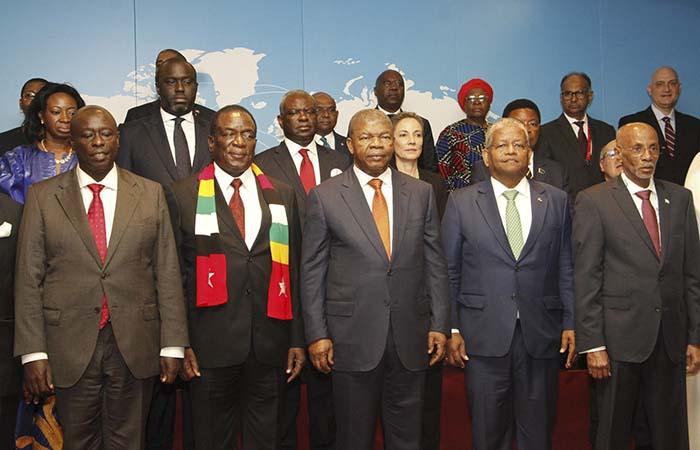
The country assumed the rotating presidency of the organization during the 10th Summit of Heads of State and Government of the OEACP, which Luanda hosted from 6 to 10 December.
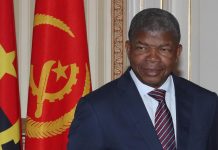
At the end of the summit, under the leadership of the Angolan President, João Lourenço, the OEACP reaffirmed its collective commitment to ensure continued access to traditional markets and to explore new opportunities for the private sector.
The Declaration of Luanda states that the commitment aims to strengthen trade relations and stimulate job creation, growth and investment between the States of the organization.
In the document, the OEACP urged the World Trade Organization (WTO) to ensure equal treatment, with a view to leveling the playing field for small island developing states and landlocked countries.
At the meeting in Luanda, the OEACP States committed themselves to working with international partners in order to promote regional economic integration.
In another sense, the Declaration states that, in the face of the crises caused by Covid-19, climate change and the war in Ukraine, the Member States committed to work to seek an inclusive, ecological and sustainable economic recovery.
The measure aims to create jobs, from micro, small and medium-sized companies, in addition to achieving resilient economic growth, in a peaceful and safe environment.
The OEACP promised, in the document, to adopt sustainable systems of access to food and energy supply, to face the environmental challenges.
Conference on biological diversity
On the occasion, the OEACP welcomed the second part of the 15th Conference of the Parties to the Convention on Biological Diversity, which aims to adopt a new global framework for nature management by 2030.
The organization advocated the recovery of degraded ecosystems and the adoption of a post-2020 global framework to halt the loss of biodiversity.
The summit supported UN General Assembly resolution 74/299 on improving road safety and reducing road fatalities by at least 50% by 2030.
The organization deplored the European Union’s unilateral approach to combating tax evasion, money laundering and terrorist financing.
Likewise, the OEACP countries considered essential the creation of a platform for regular exchanges with strategic partners, through South-South and North-South cooperation.
The Luanda Summit welcomed the creation of the OEACP Platform for Diaspora Engagement, as well as encouraged collaboration with multilateral organizations.
Under the terms of the Declaration, the participants reiterated their commitment to the historic and strategic partnership with the EU and suggested the provisional application of the new ACP-EU Agreement.
The OASCP, formerly known as the African, Caribbean and Pacific Group of States (ACP), was created by the Georgetown Agreement in 1975.
It is made up of 79 African, Caribbean and Pacific states, 49 of which are in sub-Saharan Africa, 19 in the Caribbean and 11 in the Pacific.
The OEACP’s main objectives are to promote the sustainable development of its Member States and their gradual integration into the global economy.
For More News And Analysis About Angola Follow Africa-Press