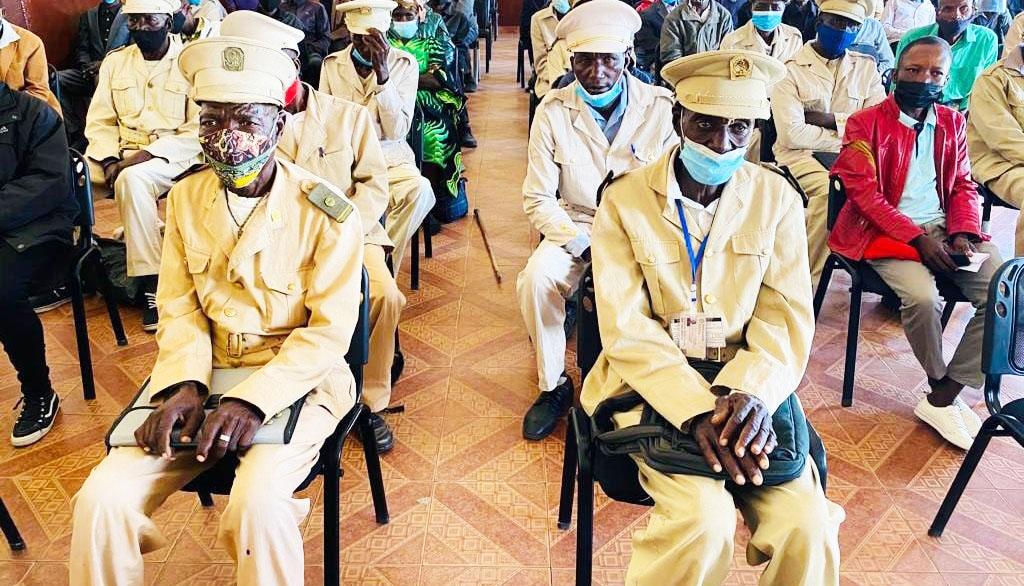
Africa-Press – Angola. The traditional authorities of the municipality of Negage, in Uíge province, said this Monday that the participatory budget is improving the social conditions of the local population.
In an interview, the coordinator of the traditional authorities of the municipality of Negage, Alves Augusto, without specifying what has already been done, said only that the Participatory Budget has allowed discussing and deciding on public policies, as well as making a survey of the needs of the population.
With that, he continued, “the Participatory Budget is promoting the transfer of public management to the population, although there is still much to be done”, he said.
In this respect, press noted the participation of citizens in the choice of social projects to be prioritized in the communities.
With this year’s budget, the population suggests expanding projects to supply drinking water to the population, expanding the electricity network, improving secondary and tertiary roads, building more health centers and supporting farmers.
He explained that the participatory budget contributes to economic growth and social development, through an inclusive and effective participation of civil society in the governance process.
The Participatory Budget is a tool that the Angolan Executive adopted in the administrative deconcentration and decentralization process to make it more participatory, whether in terms of elaboration or implementation.
Presidential Decree 234/19, of 22 July, presents the participatory budget of the Administration and citizens managed with the active participation of members of the management commissions, made up of representatives of civil society with the ability to identify problems and define priorities.
For More News And Analysis About Angola Follow Africa-Press