Africa-Press – Angola. Angola participates with seven projects in the Center of Southern Africa for Sciences and Services for Adaptation to Climate Change and Sustainable Soil Management (SASSCAL 2.0), whose implementation started last March.
These are projects won by those surveyed at the universities Agostinho Neto (UAN), José Eduardo dos Santos (UJES) and Kimpa Vita, in addition to the Instituto Superior Politécnico da Tundavala and the Angolan non-governmental organization ACADIR.
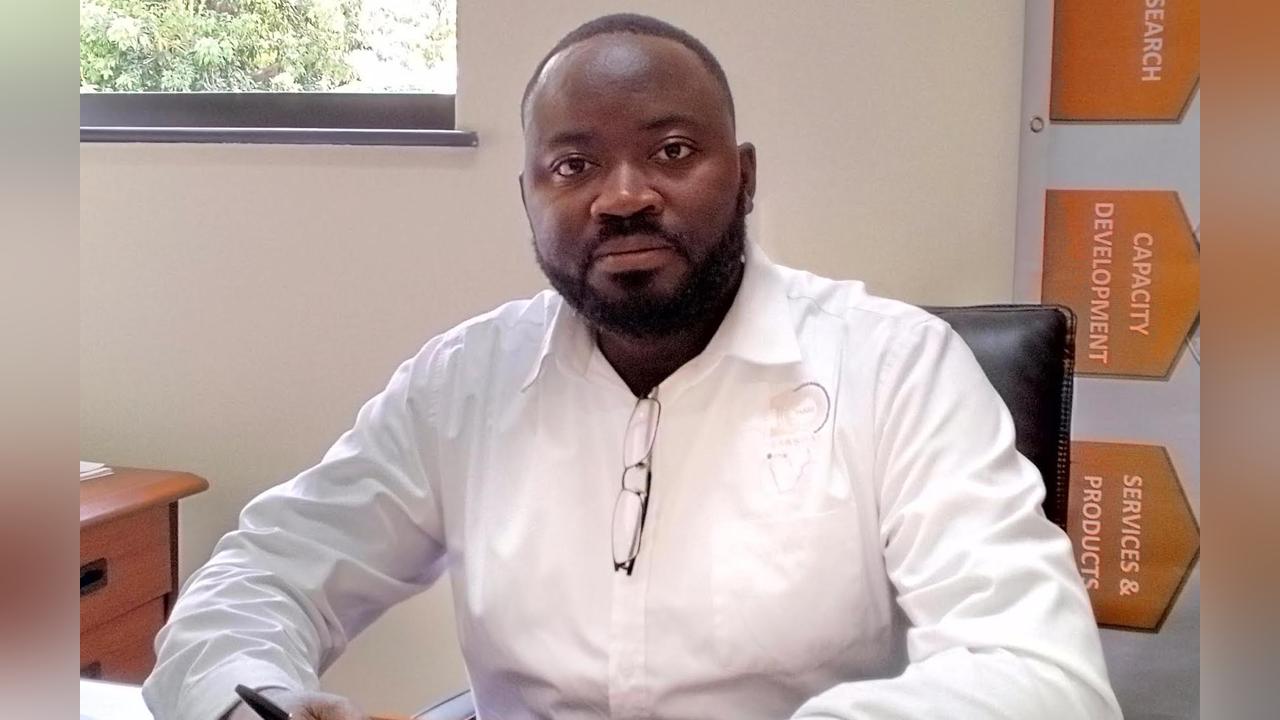
The information was provided this Tuesday by the coordinator of SASSCAL in Angola, Vasco Chiteculo, stressing that the national projects are linked to infrastructure problems, the network of scientific interaction for the creation of networking and other support, approved for the three-year period 2022 – 2025.
Of these, he highlighted the projects of the José Eduardo dos Santos University, in Huambo, aimed at food security and the use of forests for community areas, management and sustainability of Angolan soils and support for training in beekeeping for the production of honey.
He added that the ACADIR, operating in the province of Cuando Cubango, addresses the development of improved livelihoods and human resource management, in view of climate change.
In 2022, he said, the projects were based on the acquisition of equipment, laboratory equipment, development of human capacity and exchange, while the implementation phase began last March, with completion scheduled for 2025.
In total, Vasco Chiteculo said that SASSCAL 2.0 has 13 projects, established in five countries of the Southern African Development Community (SADC), namely Angola, South Africa, Botswana, Namibia and Zambia, with financial support from the Federal Republic of Germany, worth 8.6 million euros.
He informed that Angola, in addition to participating with seven, in a budget of 678,130.54 euros, also coordinates two of these, namely the support for sustainable management of soil fertility and the creation of a virtual field of engineering.
SASSCAL’s actions, according to the official, are divided into different categories, from the major problems of SADC, individual research, scientific network of curricula in the region’s universities, improvement of scientific infrastructures and community development actions.
It also aims at resolving regional problems in both countries, relying, for this purpose, on the cooperation of scientists from the members, who are interconnected in presenting viable solutions, such as the lack of water, nutrients in the soil and in the carrying out laboratory tests.
The organization’s specialists deal with issues according to their capabilities, to resolve problems identified in one of the community members, with diverse positive impacts on the well-being of the population.
He highlighted the impacts of SASSCAL on the well-being of society, such as training staff, growth of researchers in the field of science in the country and in SADC, stagnation of ravines in different communities.
SASSCAL 2.0, which has the participation of experts from Energy and Water, Agriculture and Forestry and Environment, linked to the Ministry of Higher Education, Science, Technology and Innovation, is focused on promoting the scientific activities of SADC universities and civil society, in funding from Germany.
For More News And Analysis About Angola Follow Africa-Press