Africa-Press – Angola. The Executive proposed, this Tuesday, in Luanda, the reduction of Value Added Tax (VAT) by around 5 percent for widely consumed food products, against the 7 percent of the initial proposal.
When presenting the document, under discussion in the specialized committees of the National Assembly, the Minister of Finance, Vera Daves, informed that the Executive’s decision was the result of an in-depth study of the current conditions of the national economy.
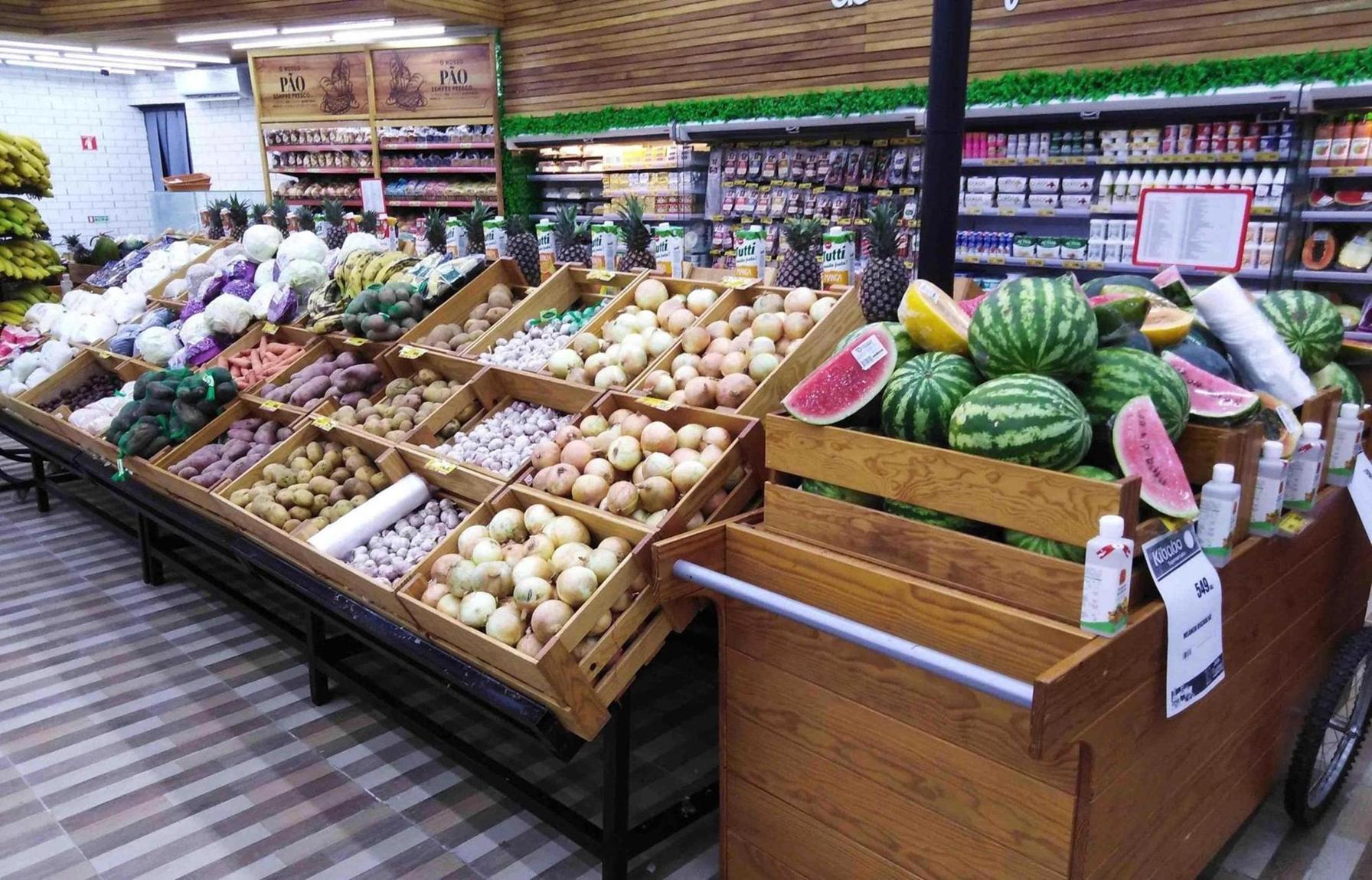
Among the products proposed by the Executive in the 5 percent VAT package are beef, pork, sheep and goat meat and offal, poultry (except turkey and goose), fish (except shark, salmon and cod), milk, yogurt, butter or Margarine.
The package also includes eggs, edible vegetables, fruits, tea, cereals, corn and wheat flour, cooking oil, sugar, pasta, bread and other pastries, water and salt, among others.
The parliamentary opposition, however, defends the total elimination of VAT on these food products widely consumed by the population.
Representative Álvaro Chicuamaga Daniel, from the UNITA parliamentary group, encouraged the Executive to agree to eliminate VAT in its entirety on consumer goods, for whom “hunger in Angola is a very serious problem”.
Likewise, deputy Jorge Vitorino, also from UNITA, questioned the criteria used by the Executive to reduce VAT on some products and not on others.
The Minister of Finance, Vera Daves, clarified, at the time, that a VAT below zero percent is unfeasible because the final effect is to increase the price of products and not reduce them.
“From our analysis of other realities of charging VAT at zero percent, we found that the final effect is an increase in price instead of a reduction, due to the fact that companies that sell products at zero percent VAT do not fail to be eligible for reimbursement”, he noted.
According to minister Vera Daves, these companies bear VAT on the acquisition and manufacture of these products, on the purchase of services, on the acquisition of equipment and when selling, they cannot add VAT, “so the final effect is to create a distortion in the supply chain. price and increase it’.
He added that companies and citizens themselves would see the exercise of a VAT at a zero percent rate not having the expected positive effect.
However, deputy Paulo de Carvalho, from the MPLA, stressed that the reduction in VAT will not provide any decrease in product prices, “it will not cause deflation, in any way, prices will remain the same, despite this reduction”.
The debate, which was marked by moments of great tension between MPLA (power) and UNITA (opposition) deputies, continues on Tuesday.
The Legislative initiative of the President of the Republic, as Holder of Executive Power, aims to adapt it to the reality of the country’s current economic and social context and the economic and financial challenges faced by families and companies.
In the initial proposal, the Executive proposed to reduce the VAT incidence rate on all food items from 14 to 7 percent, with the exception of the province of Cabinda, which will now have a single VAT incidence rate, in the order of 1%. , taking into account the Special Regime in force in that region, due to the lack of
geographic continuity.
For More News And Analysis About Angola Follow Africa-Press