Africa-Press – Angola. Families contribute 91.5 percent of the total cultivated area in the country’s 2022/2023 agricultural campaign.
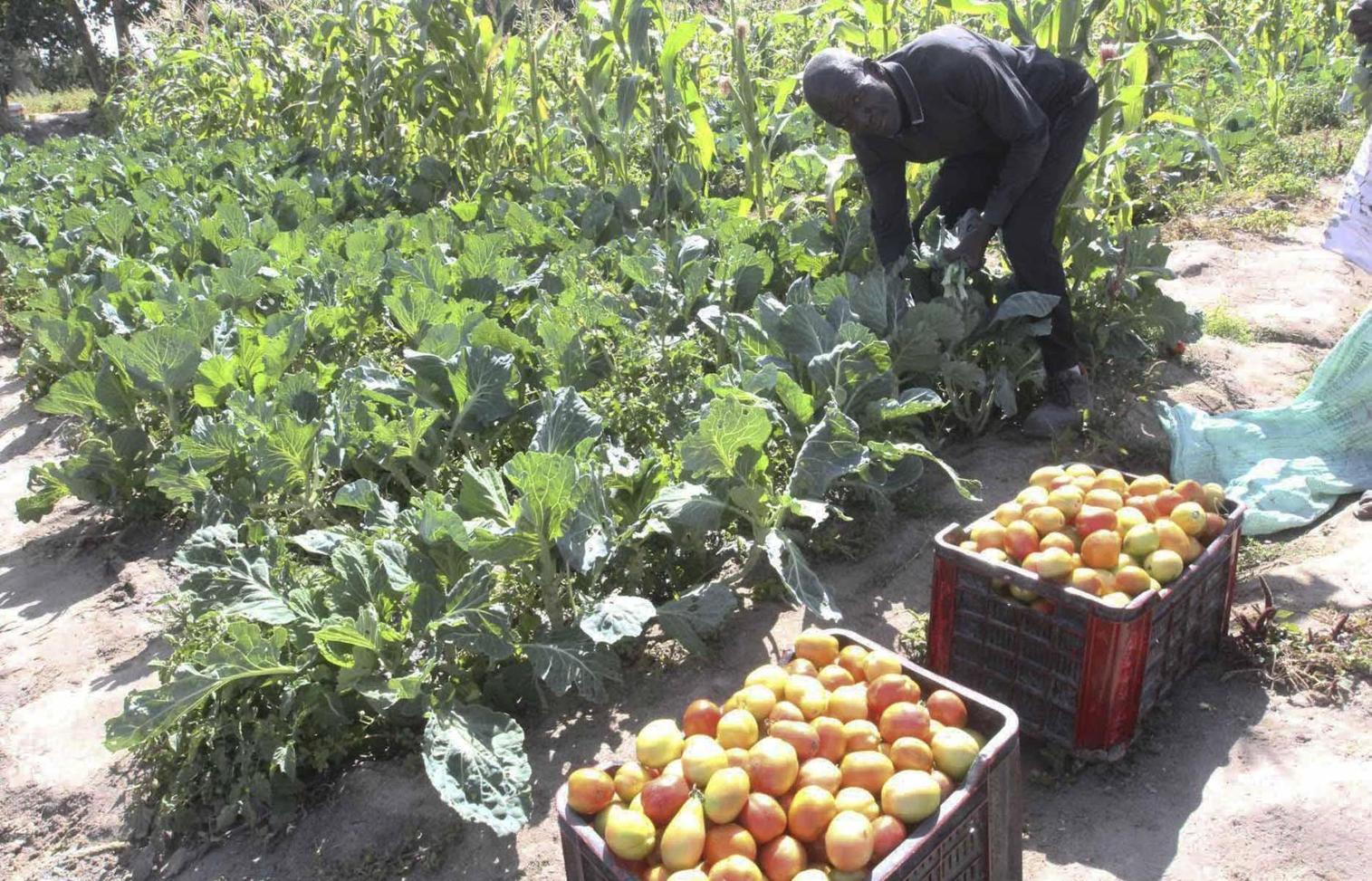
Data shows that in the 2022/2023 agricultural year, of a total of 1.7 million peasant families diagnosed, 1.2 million were assisted, representing 70.2 percent of rural agricultural families, with harvests amounting to around 26 million , 41 thousand 517 tons of various food products.
According to the Minister of Agriculture and Forests, António Francisco de Assis, when responding to the concerns of deputies, in Parliament, within the framework of the discussion, in the specialty of the General State Budget (OGE) proposal.
According to the minister, 3.1 million tons of cereals (corn, massango, wheat, rice) were produced, with emphasis on the province of Huambo, with 27.7 percent, Cuanza Sul 23.1 percent, Bié 14.3 percent, Benguela 11.2 percent and Huíla 8.5 percent.
In roots and tubers (cassava, reindeer and sweet potatoes), Uíge led with 21.3 percent, Malanje 15.2 percent, Cuanza Sul 9.2 percent, Moxico 8 percent, Lunda Sul 6.5 percent.
In legumes and oilseeds (beans, peanuts and soybeans), the provinces of Huambo lead, with 19.6 percent, Bié 18.2 percent, Cuanza Sul 16 percent, Uíge 11.1 percent and Malanje 7.1 percent.
Regarding fruit trees such as mango, pineapple and avocado, Benguela stands out in production with 21.3 percent, Cuanza Sul 15.7 percent, Uíge 10 percent, Bengo 7.7 percent and Cabinda 7.5 percent.
In the cultivation of vegetables, Huambo has 30 percent of production, Benguela 19.3 percent, Cuanza Sul 9.8 percent, Bié 7.9 percent and Huíla 7 percent.
The minister highlighted FADA’s financing of 160 projects in the province of Huambo and the installation of a wheat mill, by a company, which works together with the sector.
The proposed General State Budget (OGE) for 2024, which foresees a salary increase in the public sector of around 5 percent, includes estimated revenues of 24 billion Kwanzas and expenses set at the same amount.
In the same way, growth of 2.8 percent is estimated in 2024, essentially anchored by the non-oil sector, which is expected to grow 4.6 percent and a decrease in the oil sector with 2.6 percent.
For More News And Analysis About Angola Follow Africa-Press