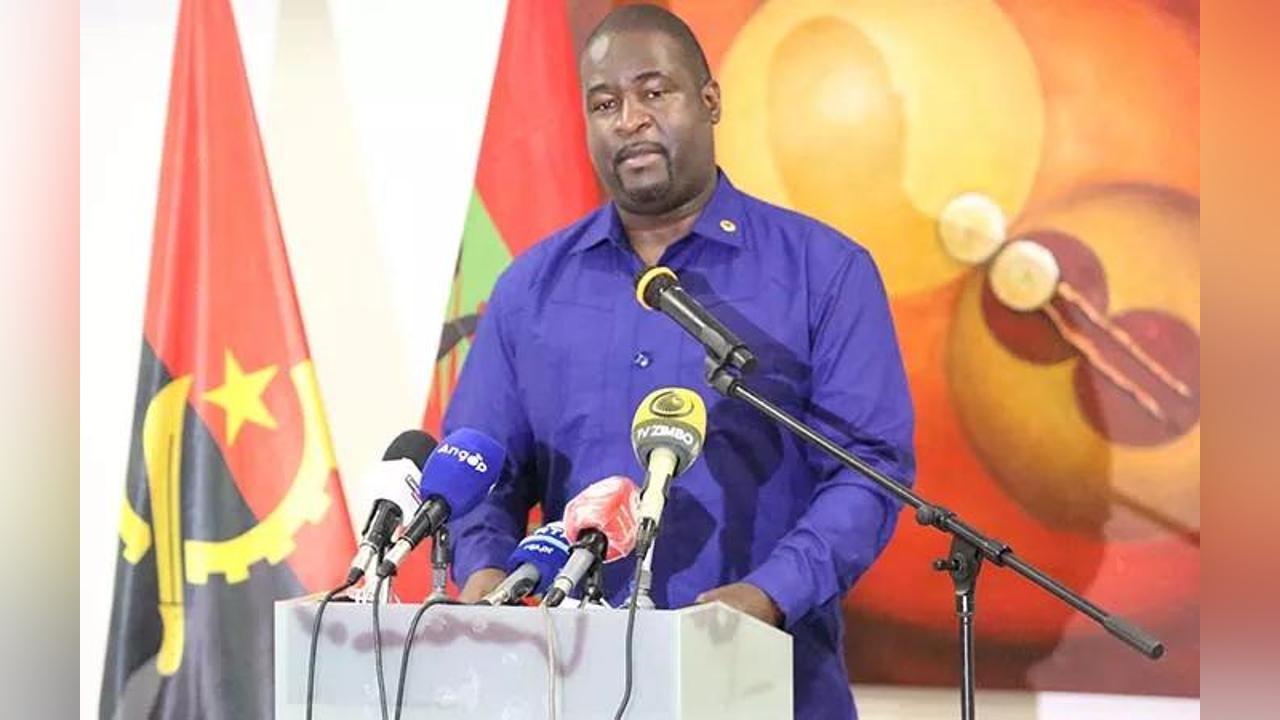
Africa-Press – Angola. The UNITA Parliamentary Group (GPU) presented this Tuesday, in Luanda, the draft Organic Law on the Effective Institutionalization of Local Authorities, with the aim of taking it to discussion in the National Assembly (AN) next April.
According to the leader of the GPU, Liberty Chiaka, at a press conference, after presenting the document, it will now be distributed to society to collect contributions, for 30 days, in all provinces of the country.
He added that once the deadline has passed and the contributions have been consolidated, the project will be sent to the Office of the President of the National Assembly for scheduling and discussion as a matter of urgency.
The deputy considered that it will serve as a test of the political will of public authorities to “accept, live and practice democracy” locally.
He argued that UNITA, if approved, wants a Law that encompasses organizational, regulatory, administrative, financial and patrimonial dimensions, with local authority bodies enjoying full freedom of decision-making and resource management in accordance with the Constitution.
The party, he explained, is committed to dialoguing with all public authorities involved and with society to promote participatory democracy and make local authorities a reality in Angola during the current legislature.
Project
The Organic Law Project for the Effective Institutionalization of Local Authorities presents a statement of reasons, legal framework, elements of procedural formality, as well as a preambular part, six chapters and 67 articles.
The first steps towards establishing local authorities in Angola were taken in August 2019, by the National Assembly, with the unanimous approval of two laws from the Local Legislative Package.
These are the Organic Law on the Organization and Functioning of Local Authorities and the Law on Administrative Guardianship over Local Authorities.
The first defines the way local authorities are organized and operated, with a view to institutionalization as a way of materializing administrative decentralization, while the other aims to create legal instruments to grant the Executive powers of control over local authorities.
For More News And Analysis About Angola Follow Africa-Press