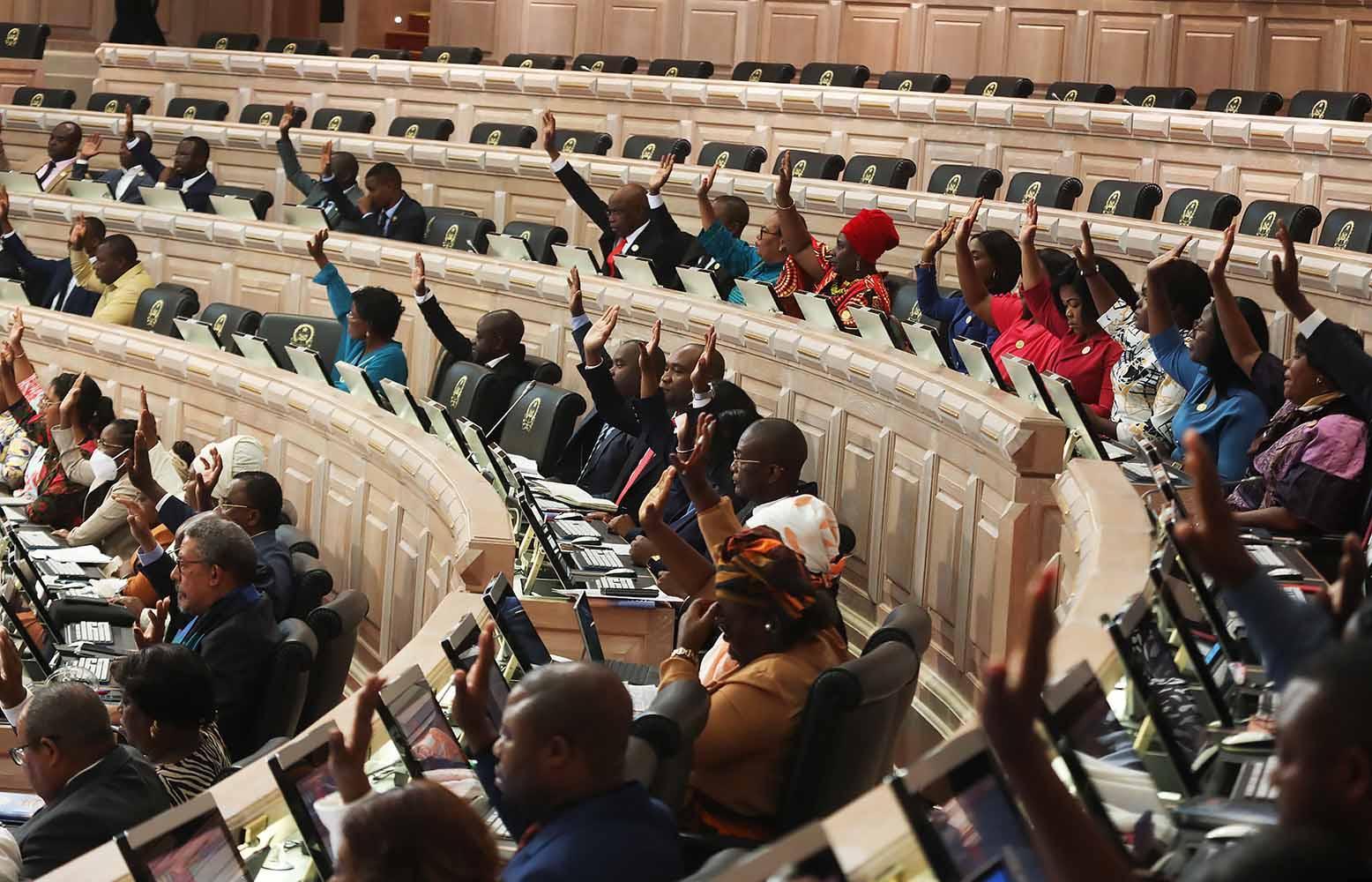
Africa-Press – Angola. Deputies to the National Assembly (AN) approved, on Monday, the proposed resolution on the Protocol on Common Hydrographic Systems in the Southern African Development Community (SADC) Region, which reinforces environmental protection, to improve health and human well-being.
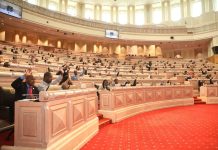
The diploma received 35 votes in favor and none against, during the joint meeting of parliamentarians from the 1st, 3rd and 5th committees, which deal with issues on Foreign Relations, International Cooperation and Angolan Communities Abroad, Economy and Finance and Constitutional and Legal Affairs.
The regional proposal developed by SADC, which essentially aims to conserve natural resources, represents the “most important pillar for sustainable development, with the objective of its adoption being to combat land degradation, deforestation, loss of biodiversity, ecosystems, pollution and waste, inadequate access to clean water and sanitation services”.
The deputy rapporteur of the document, Felino Job, said that to achieve these objectives, States agree to cooperate and adopt solid principles of environmental management, as well as guaranteeing equitable access to the benefits of genetic resources, in order to integrate gender equality in environmental management.
Felino Job also pointed out the purposes of sustainable development in socioeconomic policies, which promote trade in environmental goods and services, thus restoring degraded environments, and managing waste and dangerous chemical substances, to prevent atmospheric pollution. “The protocol establishes guidelines and principles for SADC Member States to adopt and implement in their own countries, with the aim of achieving economic development that is ecologically supported”, he clarified.
Signed in Victoria Falls, Zimbabwe, on 18 August 2014, the SADC protocol promotes sustainable environmental management and conservation of natural resources in the Southern African region.
Hydrographic Systems
The parliamentarians of the Committees responsible for the matter also agreed to the proposal for Ratification of the Protocol on Common Hydrographic Systems in SADC, which will guarantee regional scientific, technical, technological, legal-administrative and commercial cooperation, in the field of use and management of hydrological resources shared by the Southern African Development Community.
Also noteworthy are the development of a monitoring policy for common hydrographic systems, the promotion and equitable use of Member States’ hydrographic systems and the formulation of strategic plans for the integrated development of water resources in common hydrographic systems.
In the presentation of the Joint Opinion Report, the deputy rapporteur of the legal instrument, Bambi Victória dos Santos, alluded to maintaining the spirit of cooperation between members of Southern Africa, through the execution of coordinated programs for the appropriate use of water resources in shared hydrological systems, with a view to the socio-economic development of the organization, contributing to the strengthening of the friendly relations existing between Angola and other SADC representatives, as advantages of the agreement.
The Protocol on Common Hydrographic Systems in the SADC Region was signed on August 18, 1999, in Johannesburg, Republic of South Africa.
Proposal for the creation of a Fisheries Surveillance Center
The deputies, following the work, also proposed the creation of the Regional Center for Coordination of Fisheries Inspection, Control and Surveillance (MCSCC).
The diploma, revealed Adriano Patrocínio, as rapporteur, represents an important instrument for the management and monitoring of fishing activities, especially in the functions of supervision, control and surveillance in marine waters, in the Southern African Development Community (SADC) Region..
In the same sense, he said that it promotes cooperation and sharing of regional information, cost-effective coordination and shared use of MCSCC resources to combat illegal, unregulated and unreported fishing in the SADC region.
The letter, he made it known, has defined five areas of action, namely, aquaculture area, management of shared fishing resources, combating illegal, unregulated and unreported fishing, artisanal fishing and trade in seafood products.
The instrument that creates the Regional Center for Coordination of Fisheries Inspection, Control and Surveillance follows the signing of the protocol in 2010, in the city of Victoria Falls, in Zimbabwe, by the heads of the ministerial departments.
For More News And Analysis About Angola Follow Africa-Press