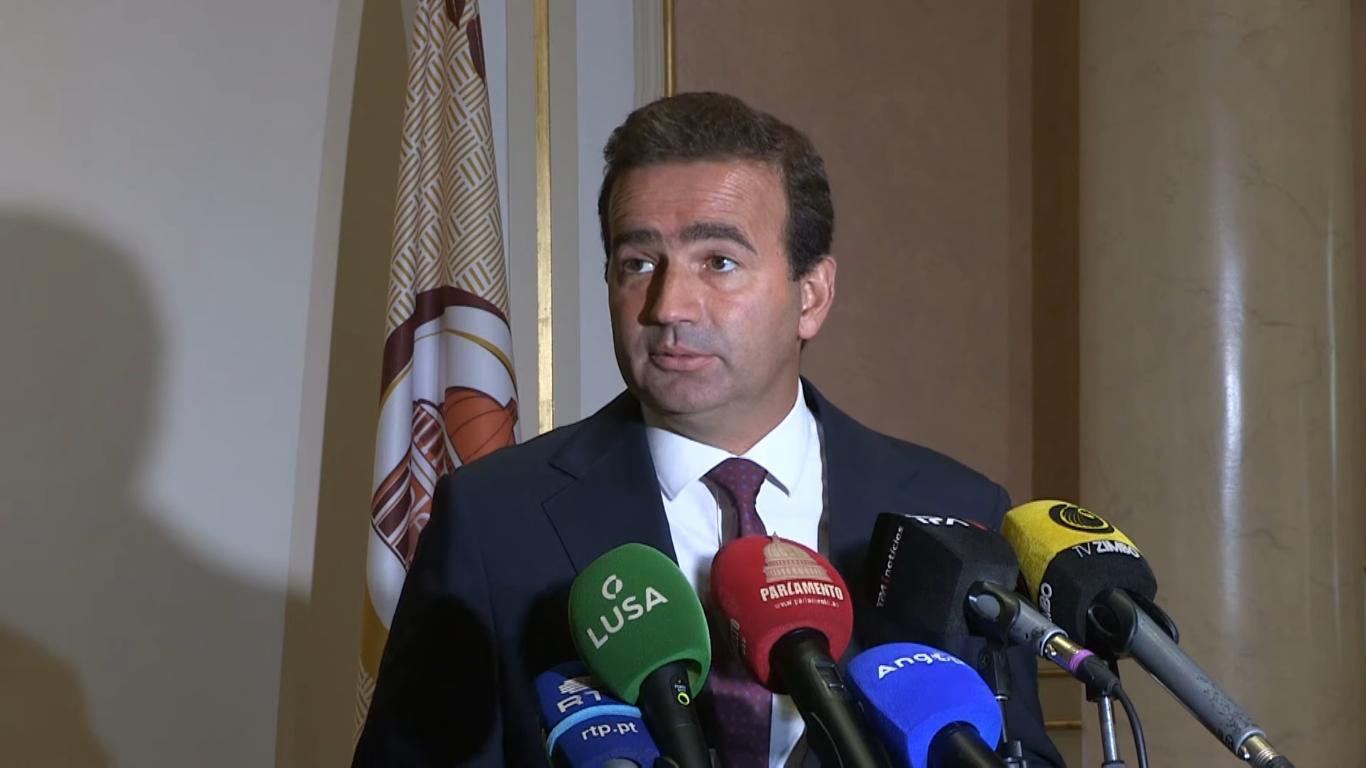
Africa-Press – Angola. Portugal will collaborate with Angola in the listing the Kwanza River Corridor as a World Heritage Site, given the impact on universal history, the Portuguese ambassador to Angola, Francisco Alegre Duarte, announced Wednesday in Cuanza Norte.
He stressed that the Kwanza River Corridor is a route used in the colonial period for large commercial transactions between the territories of the Central and Northern region of Angola with the rest of the world, especially the European and American continents.
With a navigable course from the municipality of Cambambe to Barra do Kwanza, passing through the town of Muxima, in Luanda, the Kwanza Corridor was used to transport goods and slaves from the North, Center and East regions of the country to Europe and America.
The Portuguese diplomat was speaking to the press on Tuesday at the end of a visit to the municipality of Massangano (Cuanza-Norte), in the company of the provincial governor, João Diogo Gaspar.
He also highlighted the fact that the aforementioned river course served European interests until the construction of the Luanda/Malange railway route.
Meanwhile, the diplomat highlighted the fact that there are several common points in history between the Angolan and Portuguese peoples, which go beyond the simple adoption of the same language.
The governor of Cuanza Norte, João Diogo Gaspar, presented the availability of his squad to collaborate with the UNESCO authorities, with the support of Portugal, so that the infrastructures of Massangano can be part of the list of the collective heritage of humanity.
Massangano was the provisional capital of Angola in the sixteenth century, during the colonial period, when Luanda was occupied by Dutch troops.
The region of Massangano has a large historical collection dating from the sixteenth century, with emphasis on the tomb of the Portuguese captain Paulo Dias de Novais, killed in combat, the church of Nossa Senhora das Vitórias, the Court and Chamber of Imprisonment, the Colonial Administration and a fortress.
For More News And Analysis About Angola Follow Africa-Press