Africa-Press – Angola. Approximately 7,000 public servants have been trained since 2024 under the Njila Project, which aims to strengthen governance and improve service delivery in Angola.
The professionals were trained in several provinces across the country, an initiative of the National School of Administration and Public Policies (ENAPP).
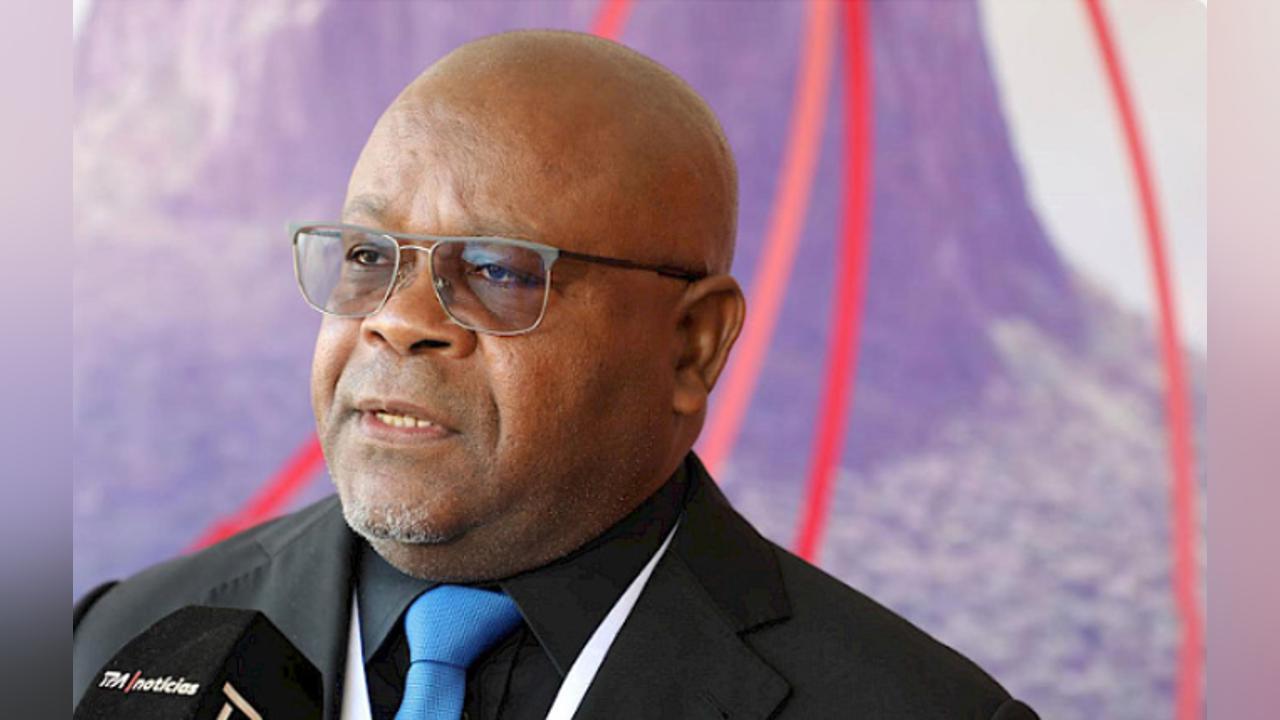
The information was provided in Luanda by the project director, Santinho Figueira, regarding the participatory budgeting training, held from September 22nd to 26th in the provinces of Benguela, Bié, Cuanza-Sul, Cunene, Huambo, Huíla, Luanda, and Uíge.
The project director said the training aims to train public administration technicians and civil society representatives in budget planning, execution, and monitoring.
Santinho Figueira explained that the Njila Project is an initiative of the Angolan Executive, coordinated by the Ministry of Territorial Administration, with the participation of the Ministries of Finance, Planning, Public Administration, Labor and Social Security, Justice and Human Rights, among others.
The initiative is funded by the World Bank, which provides technical and institutional support for the project, which has three strategic pillars.
He emphasized that the training aims to strengthen the technical skills of public administration staff and civil society representatives, enabling more effective and transparent intervention in the planning and management of public resources.
He added that the training represents an important step in ensuring that local stakeholders have the technical tools to plan, monitor, and evaluate public investment projects in their territories.
Representing Sandra Rodrigues Alves, the ENAPP Board of Directors Chair, Hernielto Casimiro, the Administrator for Research and Extension, reinforced the Executive’s commitment to the process of administrative and financial decentralization.
He emphasized that the measure aims to transfer powers and resources to municipalities, promoting greater proximity in the provision of public services. He cited as examples of this political will the implementation of the Integrated Municipal Intervention Program (PIIM), the approval of laws for Local Authorities, and the recent Political-Administrative Division.
For More News And Analysis About Angola Follow Africa-Press