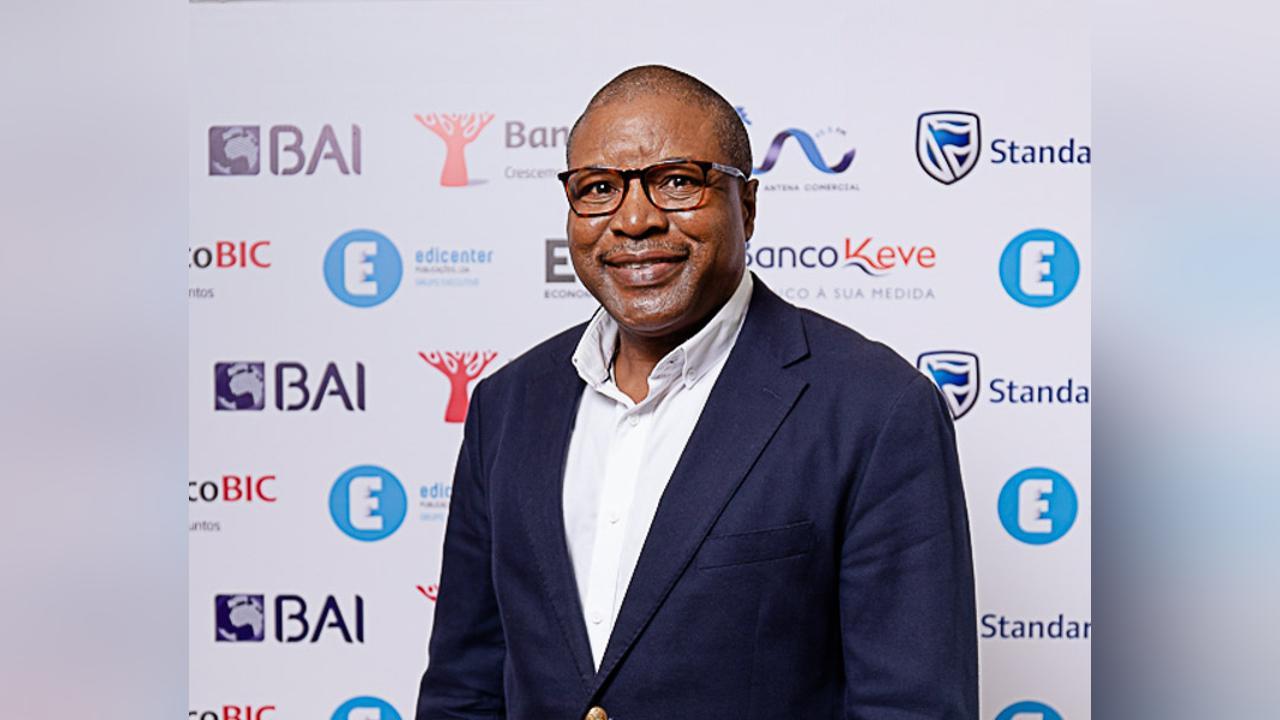
Africa-Press – Angola. The Secretary of State for Agriculture and Livestock, Castro Camarada, reaffirmed on Thursday (04), in Luanda, the sector’s commitment to strengthening the inspection service, certification, and promoting the harmonization with international standards, aiming at Angola’s increasing integration into regional and global trade.
The official made the statement during a high-level ceremony presenting the final results and legacy of the Technical Assistance Support to Angola on Safety and Quality Standards, an initiative of the Angolan government financed by the European Union.
On the occasion, he also highlighted his department’s commitment to the institutional integration of the project’s results, along with expanding the reach of training and technical assistance to producers, cooperatives, and agro-industries.
He mentioned that the Technical Assistance Project on Safety and Quality Standards, which began in 2023 and goes until the current month, has decisively contributed to strengthening national capacities in matters of quality control and food safety, the impacts of which will be reflected in the certification and competitiveness of the country’s products in foreign markets.
Throughout its implementation, he stressed, the project played a key role in institutional strengthening, lab improvement, and training of national technicians.
In addition, he pointed to the need for harmonization of procedures with international standards, focusing on improving knowledge of the requirements of the European Union and Southern African Development Community (SADC) markets.
During his speech, Castro Camarada said that the contribution of the agricultural sector to the process of economic diversification and export promotion inevitably involves the rigorous adoption of food safety standards and good agricultural practices.
In this regard, he acknowledged that some of the actions developed by the Technical Assistance Support to Angola have created a solid foundation for the country to move towards the modernization of the agricultural sector, ensuring that production is aligned with global demands.
“Among the various results, the improvement in the technical skills of national teams, the introduction of modern methodologies and tools, as well as equipment to increase the analytical capacity of our laboratories, stand out,” he added.
He said that Angola lacks accredited laboratories to guarantee and ensure the credibility and international acceptance of its production, as well as needing to strengthen the fight against economic crimes against public health.
However, he spoke of progress made at the Central Food Safety Lab in Luanda, which is just a few steps away from accreditation, according to international standards.
He added that this will be a milestone that will strengthen customer confidence and guarantee the reliability of services.
On the other hand, he clarified that the results of the interventions in this project should not be seen in isolation, as other initiatives are underway, such as electronic phytosanitary certification, recently launched in Lobito (province of Benguela), an initiative of the International Plant Protection Convention, inserting Angola into the International Digital Certification System for products of plant origin.
The Technical Assistance Support to Angola on Safety and Quality Standards is part of the Convention to Support Job Creation and the Investment Climate (Agreement No. AO/FED/042-218), and was financed by the European Union with €5 million.
Implemented by the Leadership Business Consulting (LBC) and SGS Portugal consortium between 2023 and 2025, the initiative contributed to strengthening public and private institutions, improving laboratory infrastructure, technical capacity building, developing instruments to support competitiveness, and promoting practices that strengthen food safety and the quality of Angolan products destined for the national and international markets.
Source: ANGOP
For More News And Analysis About Angola Follow Africa-Press