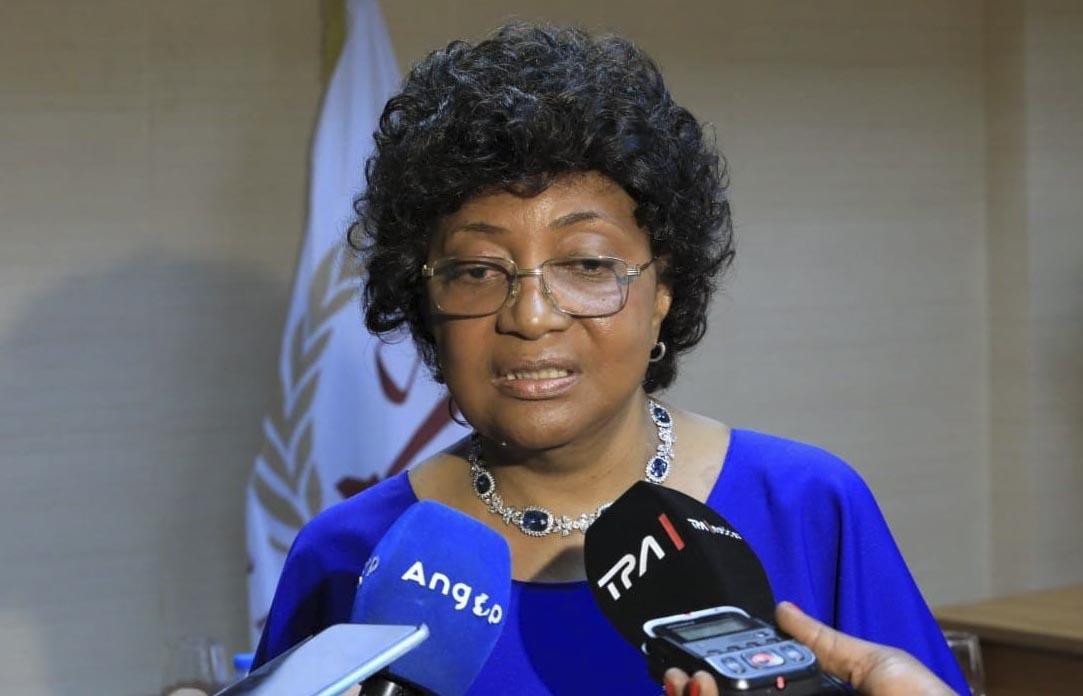
Africa-Press – Angola. Angola’s Ombudswoman, Florbela Araújo, reaffirmed on Tuesday (03) in Dakar, Senegal, the Angolan government’s commitment to child protection and combating gender-based violence, demonstrated through its legislation and approved programs.
According to a note from the Ombuds’ Office, sent on Wednesday (04), the official was speaking at an international workshop dedicated to the African Convention on the Elimination of Violence against Women and Girls, where she particularly highlighted the decrees approved by the Angolan Ombudswoman that allowed the creation of Child Protection and Violence Combat Commissions.
She explained that Angola has implemented and ratified International Conventions, particularly the conventions on non-discrimination against women and the protection of children’s rights, as well as the programs approved by the Angolan Executive.
She highlighted the importance of the institution in defending the fundamental rights, freedoms, and guarantees of citizens, emphasizing that its actions are fundamentally based on the Constitution of the Republic of Angola, especially articles 22 to 88.
The articles, she continued, enshrine the fundamental rights, freedoms, and guarantees of citizens, constituting the essential legal basis for the Ombuds person’s intervention in protecting citizens’ rights.
In this context, Florbela Araújo stressed that when a child is prevented from fully enjoying their rights, the Ombudsperson can intervene to ensure their effective protection, just as when a woman is a victim of domestic violence or encounters obstacles in accessing justice.
The workshop, themed “Understanding the African Convention on the Elimination of Violence against Women and Girls and its Implications,” aimed to deepen knowledge and application of the new African Convention aimed at eradicating gender-based violence.
The event brings together high Ombuds officials and national human rights institutions, entities from the African Union, Women’s and Children’s Rights Defenders and Associations, Regional Organizations and international partners.
The opening session featured interventions by high-ranking individuals, who highlighted the relevance of the Convention as a fundamental regional legal instrument for strengthening the protection of the rights of women and girls and for consolidating the commitments of African States in combating gender-based violence.
The 2nd session was dedicated to analyzing the context and innovations of the new Convention, emphasizing the need for harmonization of national legislation and the effective application of key regional and international instruments.
In the 3rd session, under the theme “Reflections of Ombuds officials and National Human Rights Institutions of Member States that signed the Convention”, experiences and best practices were shared.
For More News And Analysis About Angola Follow Africa-Press