Africa-Press – Angola. Some 1400 new cases of cancer were recorded in 2025, across the country, by the Angolan Institute of Cancer Control (IACC), the head of the institution’s Radiotherapy Service, Isabel Vunda, reported Wednesday, in Luanda.
In 2024, the institution registered 2,181 different cases of cancer.
Speaking on the occasion of World Cancer Day, which is celebrated, the official said that all types of cancer are diagnosed, with the provinces of Benguela, Huíla, Cunene and Cabinda having the highest number of cases.
According to the specialist, the most common cancers include breast cancer with 405 cases, cervical cancer (202), prostate cancer (130), non-melanoma skin cancer (78), liver cancer (59), among others.
She explained that in terms of evolution, the numbers show a growing trend in prostate and breast cancers and highlighted that breast cancer mostly affects women, although around 1% of cases occur in men.
She added that cases of breast cancer have been recorded in women under 30 years of age, and the aforementioned cervical disease has been diagnosed in young people as young as 18 years of age.
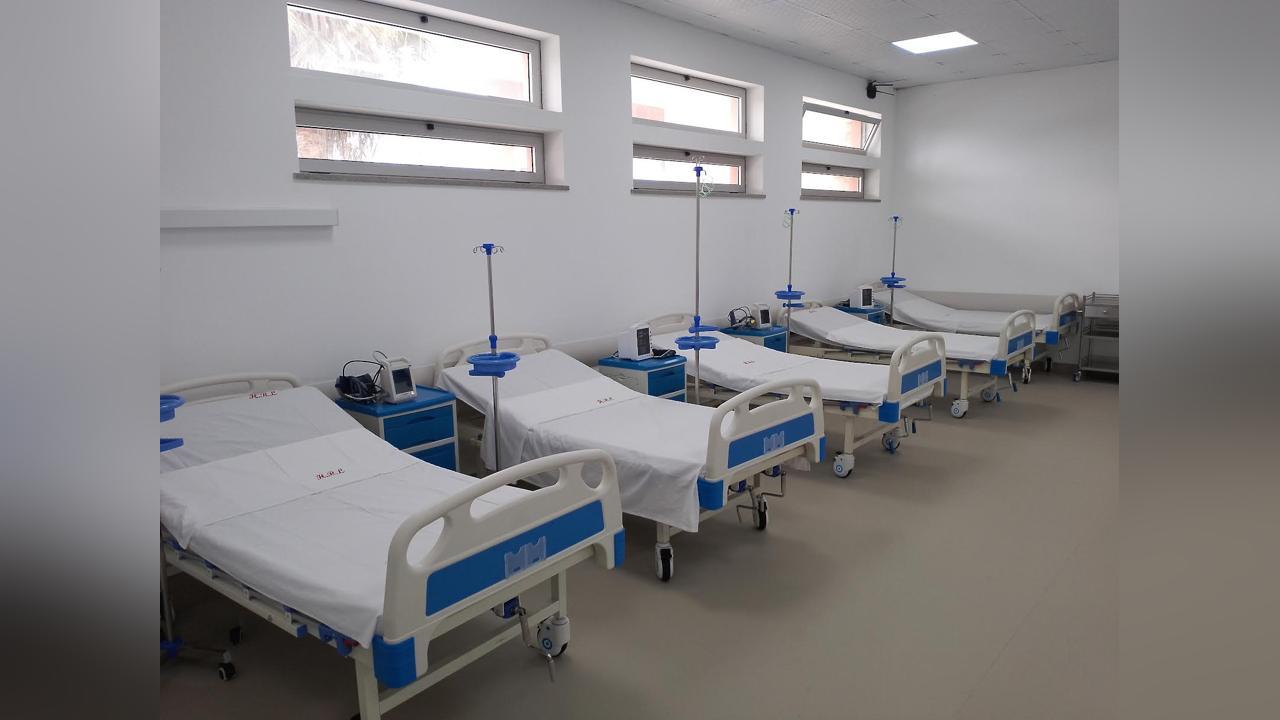
The source explained that the institution has an operating room capable of performing complex surgeries, cytostatic medications, as well as a Radiotherapy Department with modern equipment.
Isabel Vunda guarantees that all screening exams and treatments at the institution are completely free, including mammograms, ultrasounds, pap smears, medications and oncological treatments.
She informed that the institute has a Prevention Department that carries out awareness-raising activities throughout the year, not just in campaigns such as Pink October or Blue November.
She said that activities include lectures in schools, public squares, government institutions, as well as participation in radio and television programs.
On the other hand, Isabel Vunda highlighted the transformation of the former National Oncology Center into an Institute, as well as the introduction, in 2012, of radiotherapy, as a historic milestone for the country.
“IACC also has a Teaching and Research Department, reinforcing its scientific and academic role”, he highlighted.
Despite the advances, he recognized that the challenges remain great, especially with regard to the decentralization of services.
Isabel Vunda recalled the existence of a pediatric oncology center in Cacuaco, and breast oncology services at the Pedro Maria Tonha “Pedalé” Hospital Complex, which, in his opinion, helps to relieve the burden of the institute.
According to her, cancer results from changes in the body’s metabolism, characterized by the disordered growth of cells in a given organ.
These cells, he said, no longer fulfill their normal function and their main characteristic is the ability to invade neighboring organs and cause distant metastases.
“The majority of patients arrive at the hospital at an advanced stage, making it necessary to resort to chemotherapy alone or combined with radiotherapy,” she said.
With regard to prevention, the doctor emphasizes screening tests in cases of the cervix, breast, prostate and in some gastrointestinal cases.
“Health education is fundamental, because the earlier the diagnosis, the greater the likelihood of a cure”, she reinforced.
For More News And Analysis About Angola Follow Africa-Press