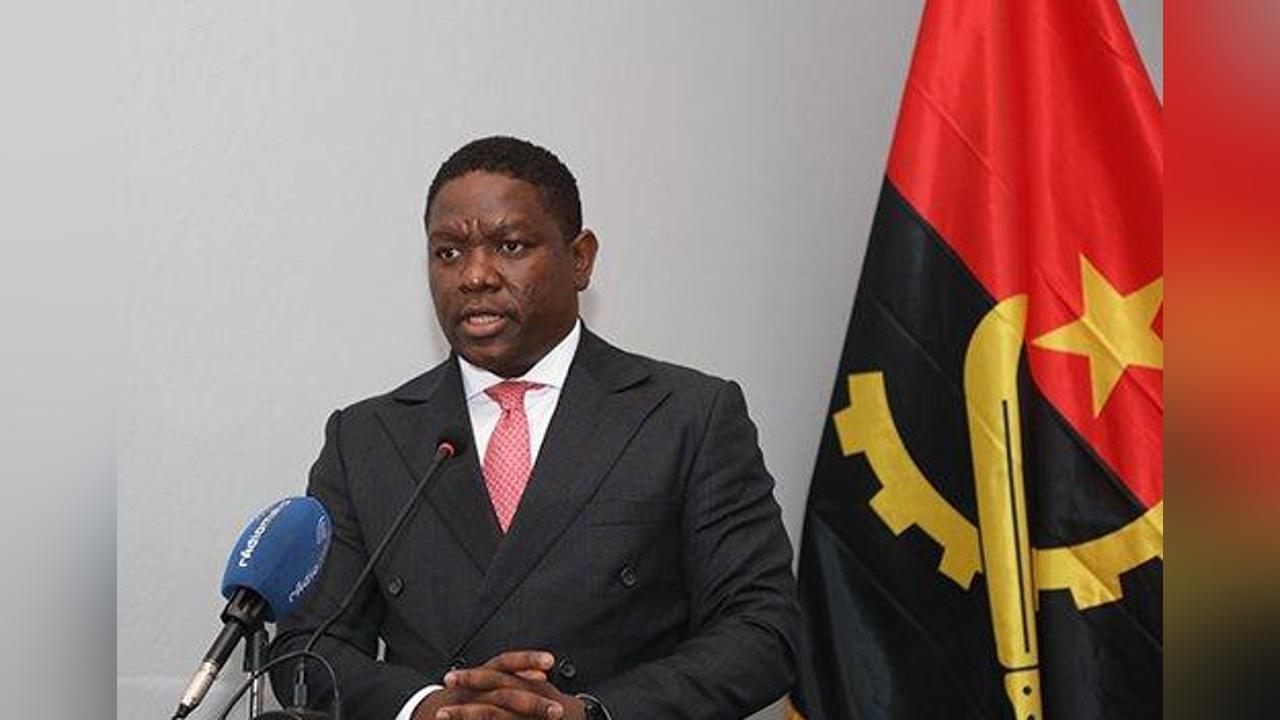
Africa-Press – Angola. Strengthening the tourism sector necessarily involves continuous investment in scientific research, as an essential tool to bridge the tourism illiteracy gap, the minister of Tourism, Márcio Daniel, pointed out, in Luanda.
The minister was speaking during the presentation of the first launch of the collection entitled “Tourism, Higher Education and Employability,” authored by Professor Bumba de Castro.
He stated that this publishing initiative aims to promote scientific research in matters related to tourism, encourage national academic production, disseminate best practices in innovation, and consolidate a repository of knowledge applied to the Angolan reality. He also emphasized that the collection produces knowledge, systematizes data, analyzes trends, and studies the impact of tourism on reality, allowing for more assertive decisions, the formulation of more
effective public policies, and better qualification of personnel.
“Without research there is no solid planning, and without planning there is no sustainable development,” he said. Márcio Daniel added that the appreciation of science applied to tourism should be understood as a strategic pillar for the maturity, competitiveness, and credibility of the destination.
He stated that innovation is born from knowledge, competitiveness from research, and sustainability from science, which is how the tourism collection came about. In turn, the Minister of Higher Education, Science, Technology and Innovation, Albano Ferreira, highlighted that he has recently recorded great progress in the promotion of tourism, both nationally and internationally, in accordance with what is outlined in the Government’s National
Development Plan. “The launch of this collection is a work that addresses three fundamental aspects: tourism as an object of study or research, higher education, and employability,” he stressed.
He also considered tourism as a cross-cutting theme that promotes historical, cultural, and linguistic appreciation, endogenous knowledge, environmental sustainability in all its dimensions, hospitality, and trade for local development.
The representative of Facul Editora, Tomé Cardoso, stated that last December an important protocol was signed between the Ministry of Tourism and Facul Editora, which foresees the publication of works of high interest and with strong potential for enhancing tourism in the country, within the scope of the various strategic initiatives of the Ministry of Tourism.
He emphasized that this milestone symbolizes the beginning of a publishing project, constituting a firm step in the promotion, preservation and projection of Angolan tourism heritage. He further stressed that this collection stems from a clear conviction that tourism in Angola is not just an economic sector, but rather an instrument for development, cultural affirmation, environmental preservation and the enhancement of the Angolan community itself.
The presentation of the first launch of the collection entitled “Tourism, Higher Education and Employability” is part of the signing of the memorandum of understanding between the Ministry of Tourism and Facul Editora, for the creation of the Tourism Collection.