Africa-Press – Angola. The MPs from the 1st, 2nd and 10th Specialized Working Committees of the National Assembly (AN) approved, on Monday (06), in specialty, the Draft Law Amending the Organic Law of the Supreme Military Court (STM), with 30 votes in favor, no vote against and 6 abstentions.
The legislative initiative is part of the Justice and Law Reform Program, which aims to adapt the justice sector to the Constitution of the Republic of Angola, as well as to promote structural changes, with particular emphasis on Military Justice.
With the approved amendment, the Supreme Military Court will have expanded powers in the administrative-military domain.
Beyond administering military criminal justice, the institution assumes jurisdictional control over disciplinary measures applied to members of the Angolan Armed Forces and the National Police, as well as administrative acts linked to appointment, dismissal, transfer, promotion, demotion, retirement, and resignation.
The proposal thus allows for the concentration, in a single body, of matters pertaining to military criminal law and military disciplinary law.
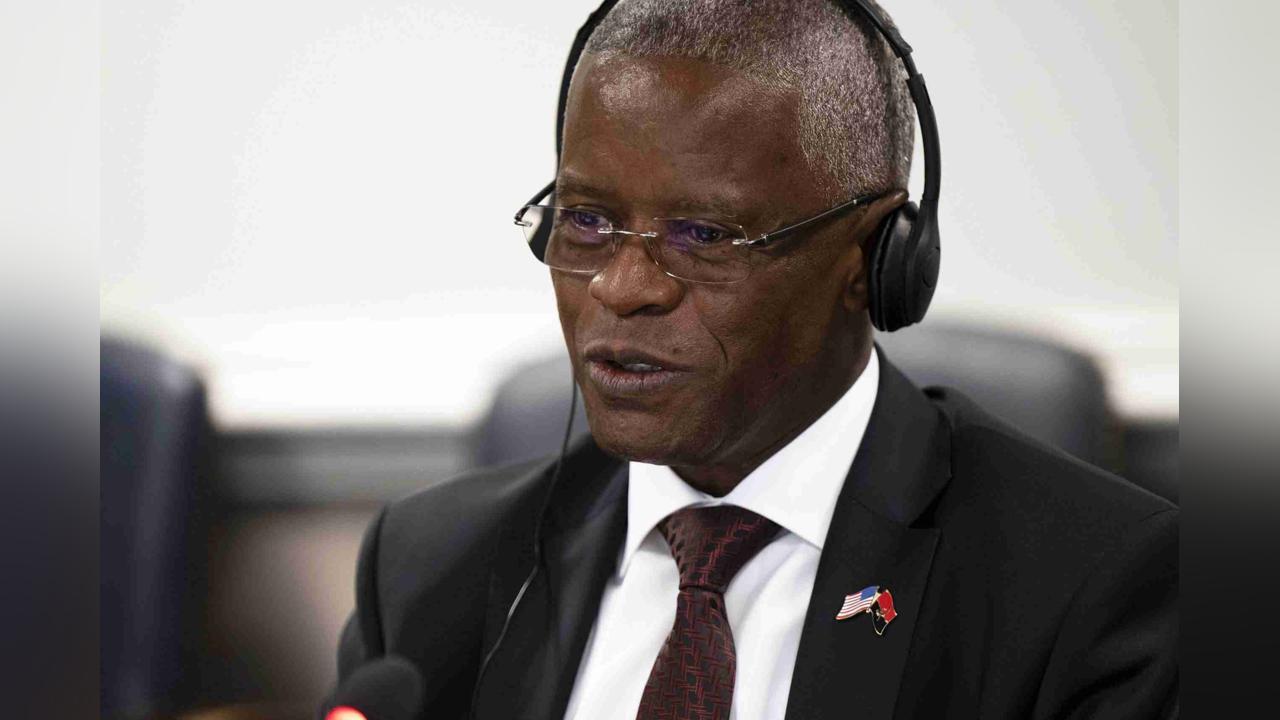
During the debate, the Sec. of State for National Defence, José Maria de Lima, considered the contributions presented by the parliamentarians to be relevant, while admitting the need to reassess some suggestions aligned with the proposal.
In this context, he highlighted interventions by MPLA deputy Santiago Primeiro and the chairman of the 10th Committee, Vigílio Tyova.
Regarding specific changes, Article 9, paragraph 1, subparagraph g, maintains the court’s competence to assess habeas corpus measures, with the addition of the expression “within its competences,” as proposed by Santiago Primeiro.
In Article 26, the generic competences were maintained, with adjustments in subparagraphs k and r, including the new wording that establishes “to propose to the plenary the appointment of guarantee judges.”
Article 43 now includes a paragraph 2, which determines that “precautionary measures have merely devolutive effect.”
The Supreme Military Court judge, Lieutenant General Gabriel João Soki, provided technical clarifications on the proposal and stated that, despite its judicial nature, the institution also functions as a military unit, and must observe the rules and procedures specific to the Armed Forces.
Regarding habeas corpus, he clarified that the adopted wording preserves the regime already established in current legislation, based on the Code of Criminal Procedure, avoiding interpretations that could limit this fundamental guarantee.
On the applicable law, he explained that the proposal respects the jurisprudence of the Supreme Military Court, ensuring the subsidiary application of common criminal law in cases of gaps in military legislation, without prejudice to the principles of hierarchy and discipline.
For More News And Analysis About Angola Follow Africa-Press