Africa-Press – Botswana. The African Export Import Bank (Afreximbank) is mobilizing investors and creatives from across Africa and foreign partners for the “CANEX WKND” forum.
This is the “Creative Africa Nexus” Program to be carried out, from the 25th to the 27th of November, with the support of the Government of Cotê d’Ivoire, in the capital Abidjan, with a focus on sharing the economic and cultural potential of the continent and of your companies.
“CANEX WKND” will be a 3-day gathering of creatives from across Africa and the diaspora, an event that is expected to mark an important milestone in the implementation of the Creative Africa Nexus (CANEX) program by Afreximbank. This multifaceted intervention is aimed at supporting and developing the creative sector for Africa’s rapid growth.
According to the promoters, “CANEX WKND” will have a strong focus on creating opportunities for meeting and networking between creatives, but more importantly between creatives and buyers.
“CANEX WKND 2022 will be a prominent gathering of creatives, potential investors, industry leaders, companies in the creative sector and government representatives, enabling business opportunities for companies and business for governments and negotiation opportunities”, they point out.
The document reads that creatives will also have multiple opportunities to connect and engage with Africa and the main diaspora voices in music, cinema, fashion, crafts, visual arts, literature, games, sport and much more.
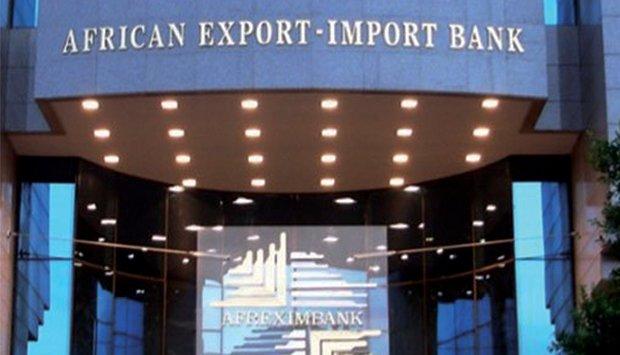
AfreximBank
The African Export-Import Bank (AFREXIMBANK) commits, over the next five years, to disburse US$40 billion to support intra-African trade. With this amount, Afreximbank doubles the US$20 billion over the last five years, informed the chairman of the Board of Directors, Benedict Oramah, at the Intra-African Trade Fair, held in Durban, South Africa, in November. of 2021.
Addressing six African presidents and a vast audience of businessmen, on the opening day of the second edition of the event, he said that Africa is starting to build its own institutions, as is the case with this bank.
“Trade agreements have worked in more mature markets because they have institutional mechanisms that support their implementation,” he said.
In addition to the $40 billion, Afreximbank is providing letters of credit confirmation lines to African commercial banks to support international trade.
Afreximbank aims to integrate 500 banks with aggregate lines of more than 8 billion US dollars. So far, it has integrated almost 480 similar institutions, having the largest message links with African banks.
Billion Dollars To Compensate African Countries
The African Export-Import Bank (Afreximbank) has mobilized US$1 billion to offset revenues from countries that lower cross-border tariffs under the agreement to create the African Free Trade Area in force since the beginning of January 2021.
“We’re going to be able to go to global capital markets and we’re going to be able to go to development finance institutions to mobilize more resources, but for now we have a billion-dollar fund,” said the secretary general of the association that manages the African Continental Free Trade Area (ZLCCA), Wamkele Mene, in an interview with the financial information agency Bloomberg at the end of last year.
The authorities “are making very, very good progress” in this financial vehicle, and countries will be able to make withdrawals later in the year, added the official during the interview given from Accra, the capital of Ghana, where he is based. agreement secretariat.
The free trade agreement in Africa entered into force on 1 January 2021 with the aim of facilitating cross-border trade by reducing or eliminating customs barriers and making the movement of people and capital easier and promoting investment and industrialization. from the continent.
Several countries expressed concern about the revenue losses that could arise from lowering tariffs, but a World Bank study showed that short-term revenue from lowering tariffs would only fall by less than 1.5 percent for 49 countries. 54 African countries, with total revenues falling by less than 0.3 percent in countries that entered the agreement.
The free trade agreement in Africa creates a single market of 1.3 billion people with a Gross Domestic Product (GDP) of 3.4 billion dollars and covers almost the majority of African countries, which voluntarily signed up to it.
For More News And Analysis About Botswana Follow Africa-Press