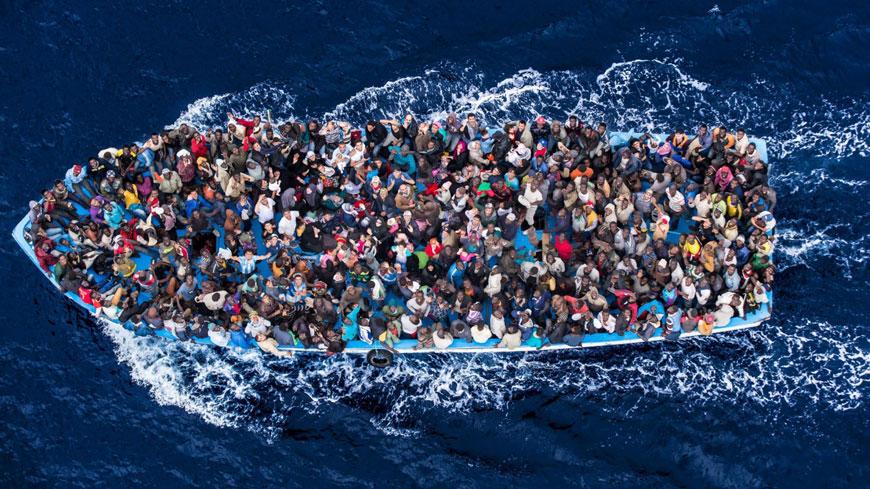
Africa-Press – Botswana. The International Organization for Migration (IOM) today asked the international community for urgent measures to ensure a humanitarian response to Rohingya refugees, expelled five years ago from Myanmar and held in “temporary” camps without conditions.
Five years ago today, the persecution and exodus of hundreds of thousands of men, women and children from the Rohingya Muslim minority began, who fled the oppression of their home country, Myanmar, and took refuge in what is considered the largest refugee camp in the world at Cox’s Bazar, Bangladesh.
To date, an estimated one million refugees, more than half of whom are children, have been accommodated in these “temporary” and overcrowded camps, with no solution in sight.
According to the IOM, the various humanitarian actors must intervene and support the assistance of the Government of Bangladesh, which cannot and must not bear this responsibility alone, so that the Rohingya can have the minimum and dignified conditions while they are displaced.
In a statement, the agency warns of the existence in these camps of people with specific needs, with disabilities, families headed by women or without subsistence opportunities, more vulnerable to being subjected to dangerous situations such as smuggling and trafficking in human beings.
These criminal networks employ different tactics to attract refugees to work outside the camp or abroad and, according to the IOM, more than 1,300 victims of trafficking have already been identified in Cox’s Bazar.
In addition to the inhumane conditions of most facilities, the country is now going through the monsoon season, which has caused historic flooding in northeastern Bangladesh, which could destroy temporary Rohingya homes made of canvas and bamboo.
In 2021, bad weather affected 30,000 people, 19,000 of whom lost their homes.
The IOM, in collaboration with the Government of Bangladesh, claims to provide basic services, such as water, hygienic, psychological support and protection to the Rohingya, also implementing initiatives to mitigate the impacts of climate change in the country.
According to Doctors Without Borders (MSF), which also marked the date today, “in refugee camps, the Rohingya have very limited access to education or work, which generates impacts on mental health and a feeling of hopelessness”.
“The health, water and sanitation and protection needs are enormous and overwhelming”, with the organization receiving “an increasing number of people who need treatment for skin infections and diseases related to [non-drinking] water ], as well as chronic diseases such as diabetes and hypertension,” the organization said.
The oppression of the Rohingya dates back to 1978, when a census divided who was a citizen of Myanmar and who was a Bangladeshi, and later the Muslim minority were seen as foreigners until they were persecuted and stripped of their rights.
In 2015, Myanmar started to consider them “intruders” and two years later, on 25 August, a cleanup campaign carried out by the military in the western province of Rakhine, which killed several Rohingyas, implodes.
It was on this day that 700,000 Rohingya fled the country to Bangladesh, where they still remain.
For More News And Analysis About Botswana Follow Africa-Press