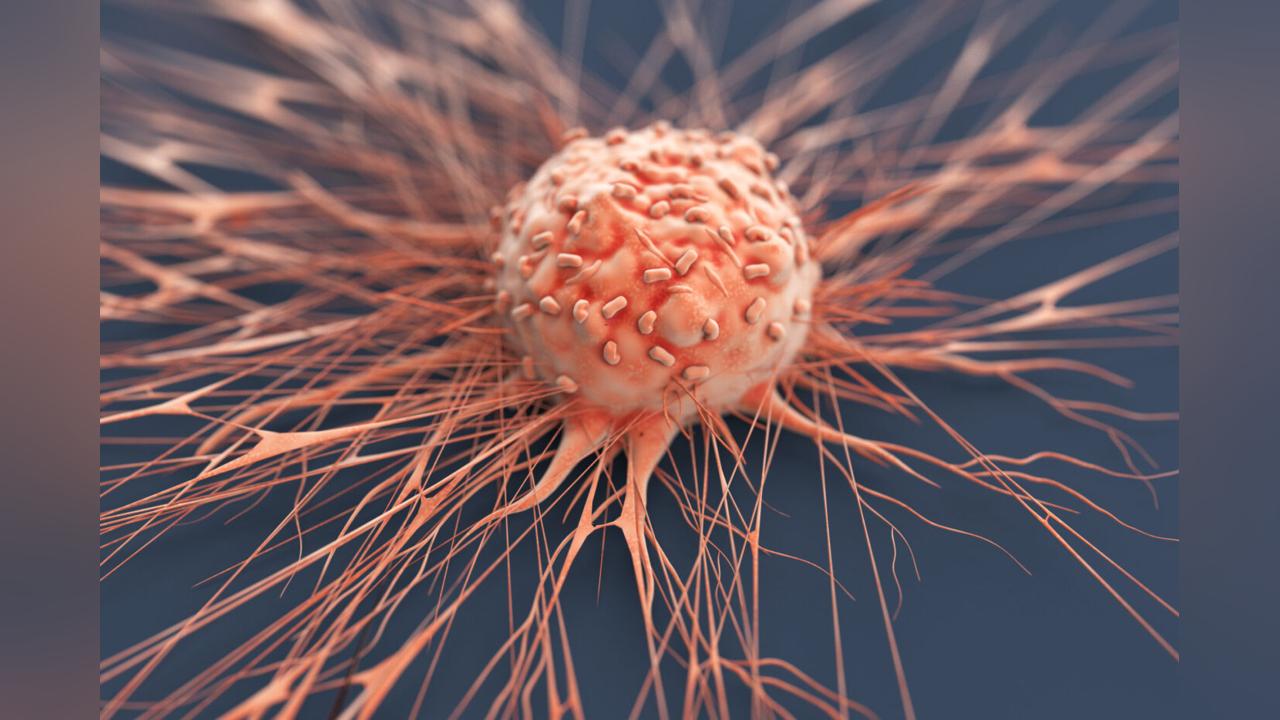
Africa-Press – Botswana. Cancer is rampant in Botswana.
Sadly, most patients discover too late, when it would have spread, that they have it.
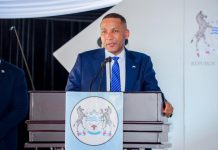
It is for this reason that government is now prioritising preventative action against it, says Assistant Minister of Health Mr Sethomo Lelatisitswe.
Speaking during commemoration of cancer day in Masunga on February 3, Mr Lelatisitswe said according to the population-based Botswana National Cancer Registry (BNCR), 21 834 cases of various types of cancer were diagnosed and registered between the years of 2005 and 2017, with an average 1 400 new cases of various types diagnosed annually.
Indications were that the actual number of people with cancer was much higher, but for the fact they tested too late.
Mr Lelatisitswe urged Batswana to participate in cancer awareness campaigns to prevent its occurrence.
“Let us not treat World Cancer Day as just [another] day in the calendar, but a campaign that should continue even after the day of the commemoration itself,” he said.
He called for lifestyle change and a commitment to healthy living to beat the disease.
“Cancer contributed 7 per cent of all deaths due to non-communicable diseases in 2016,” he said. These deaths, he said, were mainly due to the top five common cancers in Botswana, namely, Kaposi Sarcoma (skin), cervical, breast, oesophageal and prostate cancer.
Mr Lelatisitswe said this year’s commemoration theme, Close the Care Gap was all about understanding and recognising inequities in cancer care.
These he said, included not receiving timely and appropriate care and treatment, which resulted in preventable loss of life.
For her part, World Health Organisation (WHO) Country Representative Dr Josephine Namboze said WHO recognised that cancer was a public health issue of major concern as approximately 1.1 million new cancer cases occurred each year in Africa with about 700 000 deaths.
She said the most common cancer among adults was that of the breast at 16.5 per cent, cervical at 13.1 per cent, prostate at 9.4 per cent, colorectal at 6 per cent while liver was 4.6 per cent.
“Current projections show that Africa will account for nearly 50 per cent of the global childhood cancer burden by 2050 compelling expeditious efforts to confront this concern,” she said.
Dr Namboze said cancer survivors should lend their voices as advocates for better cancer services and be involved in the design of cancer services at all levels of health care.
North East Acting District Health Management Team Coordinator, Dr Balisi Tshuma said the objective of the day was to raise awareness on cancer, its implications on health and societies, as well as to encourage prevention, early detection and treatment.
For More News And Analysis About Botswana Follow Africa-Press