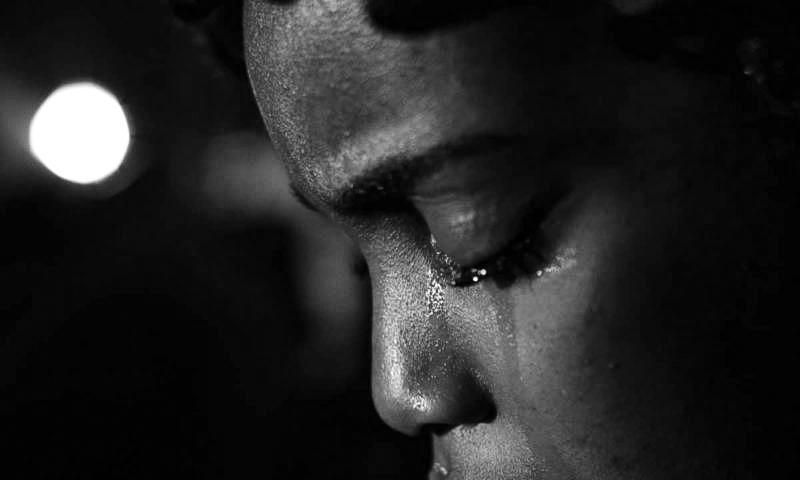
Africa-Press – Botswana. Online gender-based violence (OGBV) is one of the problems women face in the digital space and it is deeply rooted in discriminatory social norms, gender inequality and often connected to offline violence.
Speaking during International Women’s Day (IWD) in Mathathane on Wednesday, World Health Organisation (WHO) representative to Botswana, Dr Josephine Namboze, said OGBV was a barrier against women and their freedom of speech as well as their involvement in the public agenda.
“These issues can limit and discourage women from advancing into digital sector careers and contribute to the persistent gender wage gap,” said Dr Namboze.
She said sexual exploitation and harassment in the workplace, including the digital sector, had negative consequences including physical and mental health problems, career interruptions, and lower earnings for women.
The digital world, Dr Namboze said, had become an integral part of people’s daily lives although many women in Botswana and the world in general could not use internet.
“If women are unable to access the internet; or are unable to develop the necessary digital skills to engage in digital spaces, it diminishes their opportunities to pursue careers in Science, Technology, Engineering and Mathematics (STEM) related fields,” Dr Namboze said.
She said the resultant disparity continued to widen the gender gap.
Despite the challenges facing women in the digital spaces, Dr Namboze said the world was moving into an exciting time in history where technology had risen up to be at helm of development.
“Such an exciting time also expect us to be diverse, equal and inclusive,” she said, adding that bringing women into technology would result in more creative solutions.
Also, the WHO representative said bringing women into technology bore greater potential for innovations that would meet women’s needs and promote gender equality. By contrast, she said, women’s exclusion would have detrimental effects on society and its development.
Speaking at the same event, Minister of Youth, Gender, Sport and Culture, Mr Tumiso Rakgare, said women and girls were not doing well in the digital space, science and technology.
He said there were less than 25 per cent of women and girl children in engineering, computer science and physics.
The minister buttressed his points by quoting statistics from multi-topic survey which showed that just a per cent (1 per cent) of women worked in sectors such as mining and quarrying, electricity, gas and air, as well as construction.
“Se ke matlhotlha pelo e le ruri,” Mr Rakgare said about the deplorable and disheartening figures.
The minister said the low number of women in science and technology related fields was attributable to, amongst others, low uptake of STEM by girl child, a belief that STEM is for a boy child and abuse of girl child in subjects deemed boy child-related.
However, Minister Rakgare called for commitment towards availing equal opportunities for women and girl children to occupy and enjoy the digital spaces.
“We are in the fourth industrial revolution where the use of technology is eminent,” Mr Rakgare said and urged that no one be left behind.
IWD is celebrated on March 8, but Botswana commemorated the day on March 1 to allow for participation at the United Nations 67th Commission on Status of Women to be held March 6-10.
For More News And Analysis About Botswana Follow Africa-Press