Africa-Press – Botswana. Botswana has the conditions needed to build a strong green hydrogen sector. The country has high solar intensity, political stability and large areas available for renewable infrastructure. These strengths create a path for Botswana to produce clean hydrogen at competitive cost. A clear strategy helps the country position itself as a reliable supplier for regional and global markets.
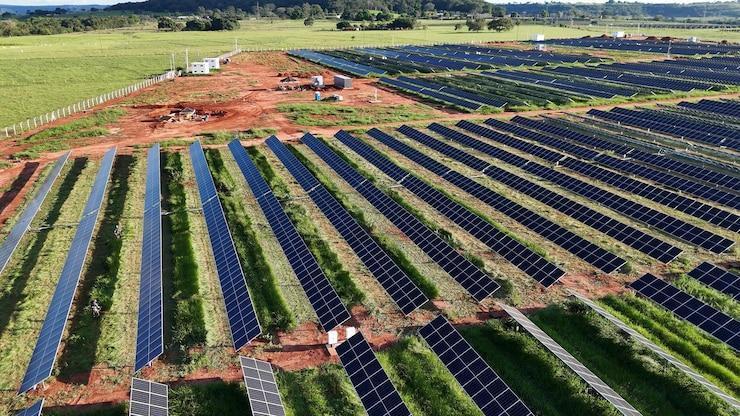
Botswana receives strong sunlight throughout the year. This allows large scale solar plants to run at high efficiency. Green hydrogen depends on cheap renewable power. Botswana can use its solar advantage to reduce production costs. This gives the country a competitive position compared to places with weaker sunlight.
Water supply is important. Hydrogen production uses electrolysis, which requires clean water. Botswana can use treated wastewater and new water recycling systems. This reduces stress on natural water sources. It also creates a sustainable foundation for long term production. New technologies use far less water than older systems. These technologies make hydrogen viable even in dry regions.
Botswana has strong mineral resources that support hydrogen infrastructure. The country has materials needed for renewable energy systems and electrolysis technology. Local mineral supply reduces import costs and supports faster development. Mining companies can also use green hydrogen to power operations. This aligns with global demand for low carbon minerals.
The country can build hydrogen hubs near solar plants and mining zones. These hubs allow shared infrastructure and easier transport. Hubs lower development costs for investors. They also make it easier to connect production to regional pipelines and export routes. Botswana can work with Namibia and South Africa to create a shared southern African hydrogen corridor. This would improve scale and attract more buyers.
Skills development is essential. Universities and technical colleges can introduce training programs focused on hydrogen technology, renewable energy and plant maintenance. Skilled workers help reduce operational risks. Training programs also create new jobs and support inclusive growth.
Strong policies attract investment. Clear licensing, stable regulations and targeted incentives help companies plan long term projects. Botswana can offer tax allowances for renewable energy equipment and hydrogen production facilities. The government can also streamline land allocation for large solar fields. These steps increase investor confidence.
Botswana can target regional industries that need clean fuel. Mines, transport operators and heavy industries in the region are looking for alternatives to diesel and coal. Supplying these sectors gives Botswana a stable early market. This reduces dependence on export customers during the first years of development.
Data and certification matter. Buyers want proof of low carbon production. Botswana can invest in measurement and reporting systems that track emissions throughout the hydrogen value chain. Transparent data increases trust and improves market access.
Botswana can lead in green hydrogen by focusing on solar power, water efficient systems, mineral based advantages and regional cooperation. The country builds stable policies. It develops skilled workers. It targets industries that want clean fuel. With these steps, Botswana can become a competitive producer that supplies both regional and international markets.
a
For More News And Analysis About Botswana Follow Africa-Press