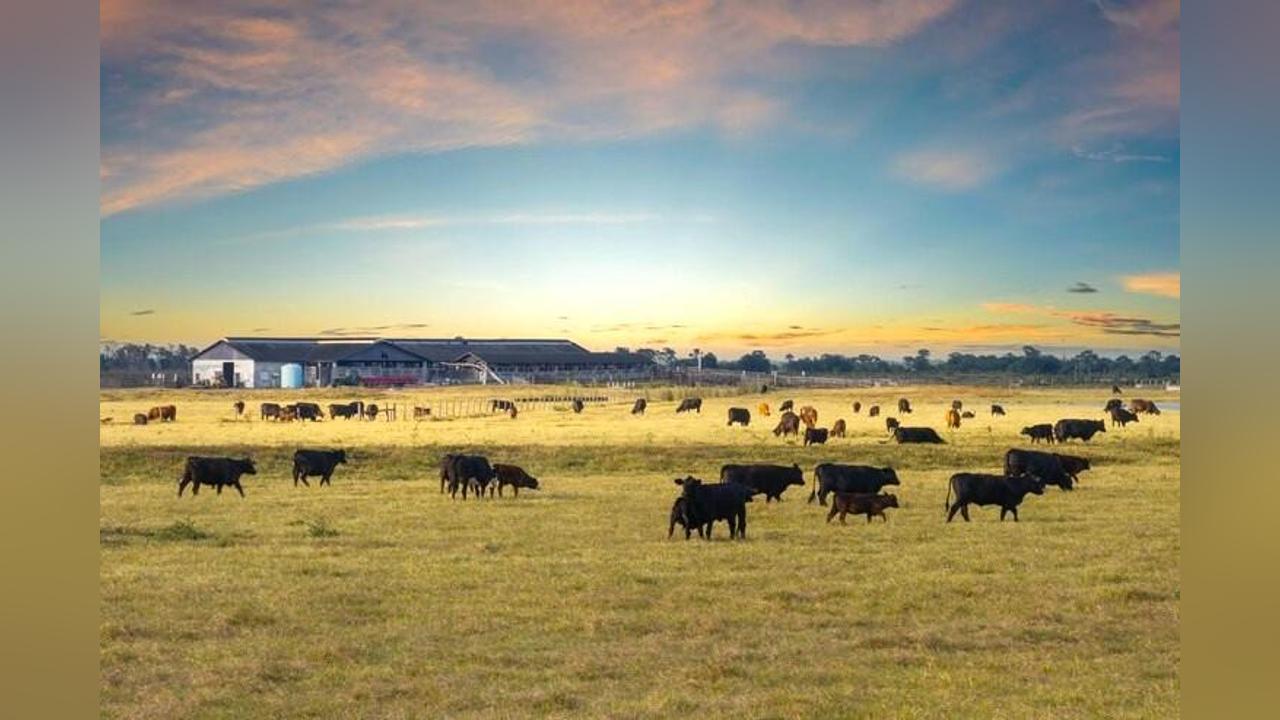
Africa-Press – Botswana. Botswana has one of the largest cattle populations in southern Africa, generating significant amounts of manure each year. This waste can be converted into a renewable energy source through biogas production. Biogas provides methane-rich fuel that can be used for cooking, heating and electricity generation. It also produces a nutrient-rich byproduct that improves soil fertility. The government and private initiatives have started exploring these opportunities to improve energy access and reduce environmental impact. Using cattle waste for energy also addresses waste management challenges in rural areas. Communities that adopt biogas benefit from lower fuel costs and cleaner environments.
Biogas in Botswana is mainly produced through anaerobic digestion. Cow dung is collected from kraals, feedlots and cattle posts and mixed with water to form a slurry. This mixture enters sealed digesters where bacteria break it down in the absence of oxygen. The process produces methane gas and a slurry that can be used as fertiliser. Methane captured from cattle waste replaces firewood or fossil fuels, reducing deforestation and greenhouse gas emissions. Research at the Botswana International University of Science and Technology shows that dung with about 20 percent solids produces the highest biogas yield. National programmes have focused on constructing small-scale digesters for rural households.
The benefits of biogas from cattle waste are multifaceted. Energy security improves because rural households rely less on firewood or paraffin. Environmental impacts are reduced as methane is captured rather than released into the atmosphere. Structured waste management reduces the risk of water contamination near grazing areas. Economically, biogas reduces household energy costs and provides fertiliser for crops. It also creates jobs in constructing, maintaining and operating digesters. Communities gain skills and access to new technologies that support sustainable development. These benefits align with Botswana’s climate change and energy diversification goals.
Despite its advantages, scaling biogas in Botswana faces challenges. Initial investment for digesters can be high, making it difficult for small farmers to adopt without subsidies or financing. Maintaining digesters requires technical knowledge, and the country needs more trained technicians. Cultural preferences for traditional fuels can slow adoption in some communities. Policy frameworks are still developing and do not always prioritise biogas as a resource. Awareness campaigns are necessary to educate rural populations about the economic and environmental benefits. Researchers continue to explore optimal feedstock mixtures to maximise gas production.
Future opportunities for biogas in Botswana are significant. Larger digesters could be built at abattoirs, community plants and commercial farms to produce electricity for local grids. Public-private partnerships could finance medium and large-scale plants to serve municipalities and institutions. Expanding biogas could diversify Botswana’s energy mix and reduce reliance on coal. Technical training programs could support rural electrification while improving local livelihoods. Integrating biogas into national energy plans strengthens resilience against energy shortages. With proper investment and planning, biogas can transform cattle waste into a sustainable energy source that benefits communities and the environment.
For More News And Analysis About Botswana Follow Africa-Press