Africa-Press – Botswana. Botswana has introduced green building codes to guide new businesses toward sustainable construction. These codes set standards for energy use water management waste reduction and indoor air quality. They aim to reduce environmental impact while lowering operating costs for businesses. With rising energy prices and climate risks businesses benefit from clearer rules on efficient design. Local authorities now require certain green features for new commercial building permits. These regulations align with Botswana’s national climate goals and international sustainability commitments.
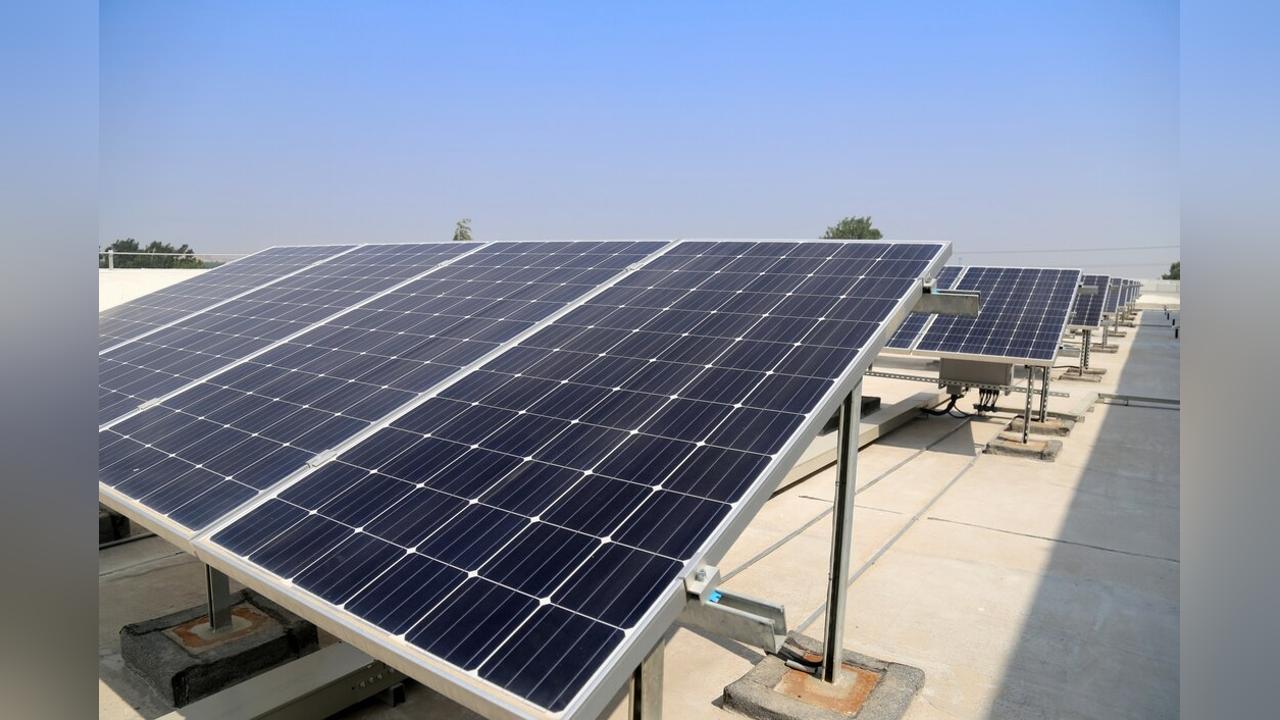
Green building codes focus first on energy efficiency. New commercial buildings must include insulation reflective roofing and efficient lighting systems. Designs should maximise natural light and ventilation to cut electricity use. Solar power readiness is now a common requirement for business sites. Businesses that install renewable energy can lower their utility costs. Efficient energy use also reduces carbon emissions from fossil fuel power generation.
Water management forms another key part of the codes. Botswana faces periodic droughts that strain water supply. New buildings must include rainwater harvesting systems and low flow plumbing fixtures. Greywater recycling can be required for landscaping and toilet flushing. These measures reduce demand on municipal water systems. They also help businesses save money on utility bills.
Waste management rules shape construction and operation practices. Developers must plan for recycling collection and separation areas in new facilities. During construction builders must minimise waste and recycle materials where possible. The codes encourage the use of recycled and locally sourced materials. Reducing waste lowers disposal costs and supports the local green economy. Proper planning makes waste handling easier once businesses start operations.
Indoor environmental quality is part of the green code. Buildings must use non toxic materials that improve air quality. Ventilation systems should provide adequate fresh air for occupants. Comfortable indoor environments can boost worker health and productivity. Natural daylight access is encouraged to enhance wellbeing. These features help businesses attract and retain employees.
Compliance and certification play a major role in the system. Botswana uses a points based rating system for green buildings. Projects earn points for energy water and material efficiency among other factors. Higher scores can lead to incentives such as tax reductions or fast tracked permits. Third party assessors review plans and inspect buildings during and after construction. This ensures that codes are followed and quality standards are met.
The codes also support training and local industry growth. Architects builders and engineers must learn green design practices. Government and industry bodies offer training programs and guidelines. These efforts build local capacity for sustainable construction. As more professionals adopt these skills the quality of green buildings improves. This strengthens Botswana’s construction sector for future growth.
Early adopters of green building codes are already reporting benefits. Businesses note lower utility bills and improved customer comfort. Some tenants prefer buildings with green features which increases rental value. Investors view green certified properties as lower risk over long term. These trends encourage more developers to follow the codes.
Botswana’s green building codes represent a shift toward sustainability in the private sector. They help businesses reduce costs protect the environment and attract talent. Developers with proper planning can meet the standards without major cost increases. As codes evolve they may include requirements for electric vehicle charging and smarter energy systems. For new businesses these rules offer clarity on building for the future. Botswana’s approach can serve as a model for sustainable development across the region.
For More News And Analysis About Botswana Follow Africa-Press