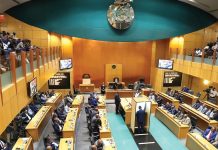
Africa-Press – Botswana. The emptiness of the public gallery tent pitched along Parliamentary Grounds at Annex II during the presentation of the National Budget Speech on Monday may have prompted legendary American musician Bob Dylan to belt out his famous tune, “the times, they are ‘a changing.”
Or fellow Grammy award winner Prince, to similarly sing, “Sing o’ the Times.”
Filled to the brim just a year earlier with an excited citizenry when Vice President and Minister of Finance Mr Ndaba Gaolathe delivered his maiden budget address, and over the past two State-of-the-Nation Addresses (SONA), the public gallery that in the recent past captured a highly expectant public mood was now empty.
Perhaps the sheer weight of sustained economic recession characterised by high unemployment, rising costs of living, plus a foot and mouth disease outbreak and a national healthcare crisis conspired to shift the national mood.
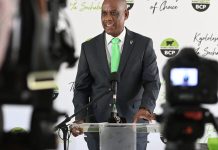
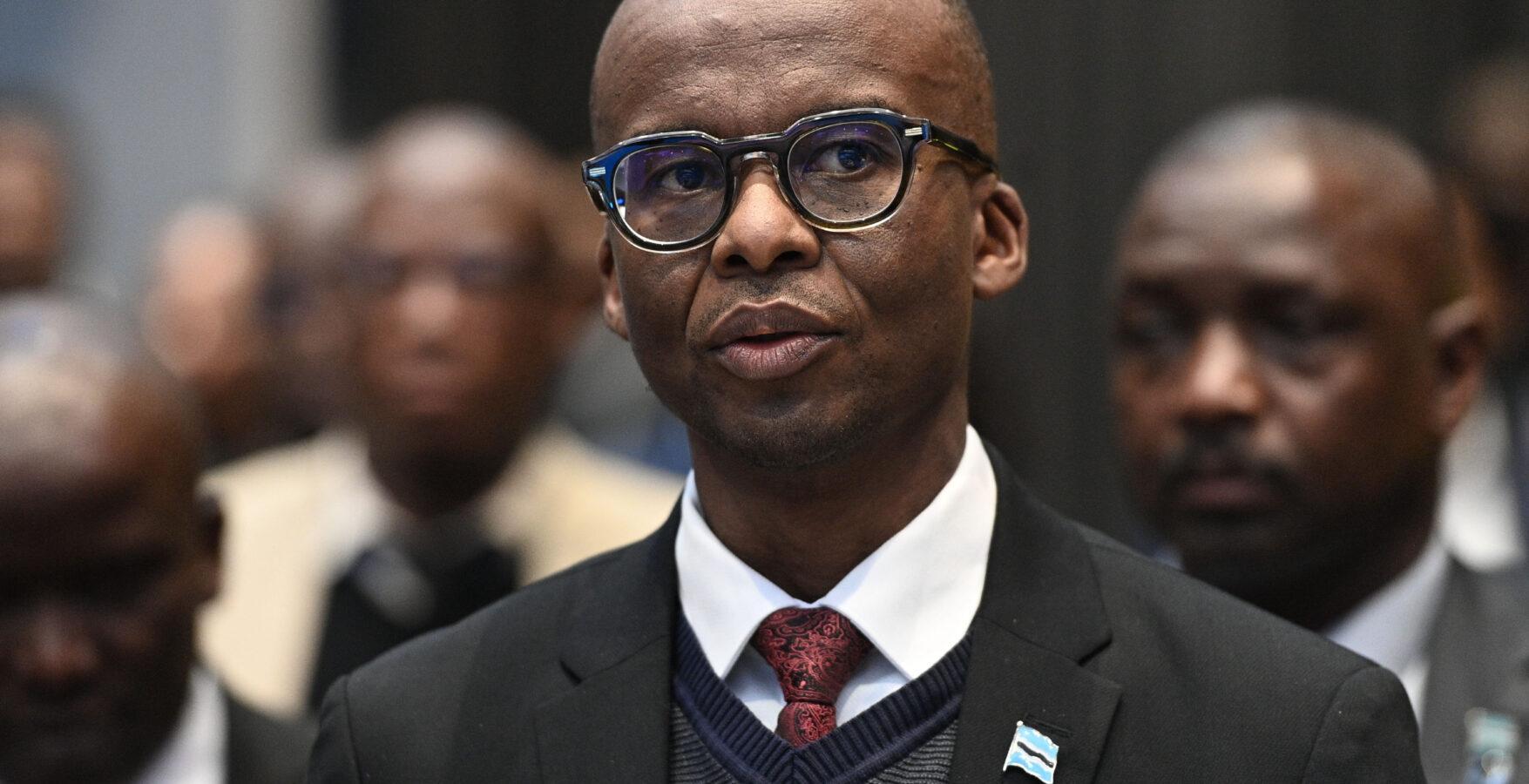
As the public listened in on national radio, television and online platforms to hear if the despair could turn to hope, Mr Gaolathe, the man tasked with performing the national Houdini Act, spoke.
“We are fully aware of the realities facing our people,” Mr Gaolathe forthrightly acknowledged.
“Chief among them is the health crisis that has tested our nation’s resilience. At a time when our nation is already navigating economic and social pressures, the outbreak of the Foot and Mouth Disease (FMD) in Zone 6B has emerged as a dark cloud over our agricultural sector.”
Having candidly appreciated the deep seated, structural challenges Botswana faces, Mr Gaolathe pronounced the short term solutions- advanced talks with the United Arab Emirates (UAE) to provide extensive health affordable supplies to normalise operations in the health system; and a National Emergency Operations Centre to coordinate the national response to FMD, among other interventions.
He then pronouced a new path towards the long terms solutions, in a budget titled: A New Era of Economic Transformation and Fiscal Prudence.
“The 2026-27 National Budget is anchored in and launches the Twelfth National Development Plan (NDP 12) and the Botswana Economic Transformation Programme (BETP),” Mr Gaolathe said.
Key to this, is building “an inclusive and deep economy” through a reform process of halting wastage and taking tangible steps towards the upper income prosperous Botswana envisioned by the National Vision 2036.
He said the 2026/2027 Budget built directly on his maiden 2025-26 budget framework, with four key steps of halting financial wastage, stabilising the economy and preparing it for takeoff, initiating tangible steps of change and building a New Botswana.
Already the process had commenced to manage public spending more prudently, strengthening oversight institutions to safeguard public resources; and mobilising the private sector and society as active partners in restoring efficiency, discipline, and accountability, Mr Gaolathe revealed.
Now the BETP and NDP 12 would guide the nation towards the True North- “A high income Botswana that is digitally enabled, export driven, and economically diversified where every citizen is employed, empowered and fulfilled.”
The BETP was developed with the technical assistance of PEMANDU Associates, a Malaysian transformation and performance management consultancy firm that has been endorsed by American Ivy League universities Harvard and Princeton.
They have a record of assisting Malaysia transform into high income status, the UAE and its Emirate of Dubai establish a world class economy and also guided Rwanda and Tanzania develop policy reform, and Botswana hopes for such transformation.
Over the second half of 2025, the BETP identified 186 projects and initiatives across six economic priorities- agriculture, manufacturing, financial services and digitalisation, infrastructure, tourism as well as energy and mining. There are also three social sectors to be prioritised- healthcare, education and social protection.
“Government has developed a more structured, evidence based approach to project execution. Through the BETP, a set of strategically significant and transformative projects underwent rigorous analysis,” Mr Gaolathe said.
The Vice President added that transformational initiatives such as the Chobe-Zambezi Water Transfer Scheme, development of rail infrastructure and the upgrade of the A1 road will be delivered under NDP12 as part of state investment in economic enablers based on fiscal discipline and accountability, “deliberately building a new culture of project delivery anchored on value for money, integrity and results.”
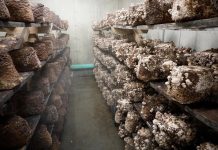
He said government would lay a firm foundation for long term agriculture industrialisation driven through the National Agricultural Research and Development Institute (NARDI), which was already developing national seed production self sufficiency.
Complementing this would be high impact technology driven initiatives including organic fertiliser, drone assisted crop nutrition, as well as the expansion of water melon value chains into juices, jams and other processed products, the Vice President revealed.
Also, the government had negotiated market access for fresh citrus exports to the European Union, Canada, the UAE, South Africa, Russia and Hong Kong, translating to strong performance of citrus exports from 2,790 tonnes in the 2024 season to 13,711 tonnes in 2025, a 390 per cent growth.
This typifies the future of a diversified export led economy that is envisioned to generate over 500,000 jobs over the next decade in fields such as manufacturing, agriculture, energy and mining, and increasing the country’s revenue base from heavy reliance on a diamond sector that is susceptible to external shocks.
As Vice President Gaolathe disembarked the Parliamentary Chamber podium, he had pronounced hope amid a climate of national despair. Now the nation awaits delivery. In the words of Karl Marx, “Philosophers have interpreted the world in various ways. The point, however, is to change it.”