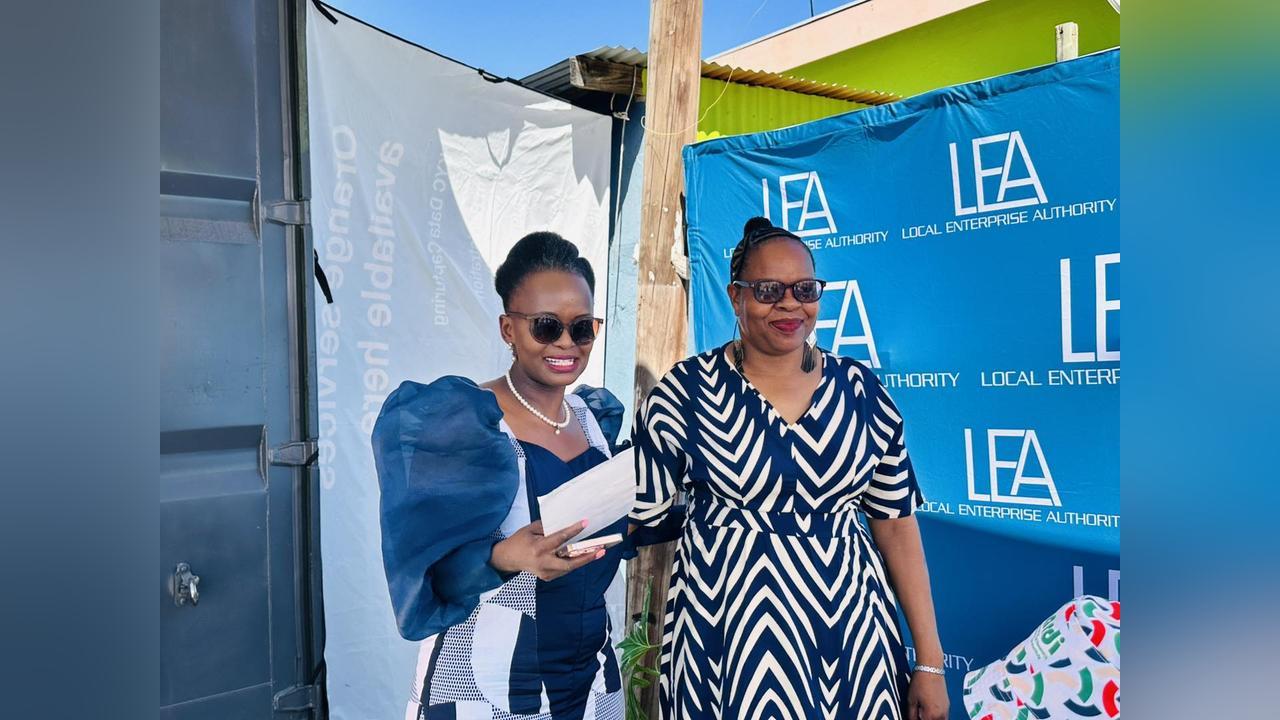
Africa-Press – Botswana. What began as a small stall selling lerotse juice, lerotse porridge, lengangale, and seed snacks has grown into a vibrant indigenous foods café that celebrates culture, community, and culinary innovation. Last week, Triple A Farm, based in the Gakuto locality, officially expanded its operations with the launch of Toby and Abby Café in White City, Gaborone, along Kaunda Road. The café represents more than a business; it is a platform for promoting indigenous foods, supporting local farmers, and creating opportunities for citizen-owned brands while reconnecting consumers with Botswana’s natural heritage.
Founder and managing director of Triple A Farm, Lere Tapologo, explained that the café was named in memory of her two sons, Toby and Abby, who tragically died in a car accident in February 2020. Tapologo noted the emotional significance of choosing Kaunda Road for the café, coincidentally the same road where the accident occurred. She emphasized that the café’s mission goes beyond serving coffee, focusing on providing healthy indigenous foods while telling the story of the land, the producers, and the traditions behind every product. “We did not want to sell just food. We wanted to tell a story through every bite and every sip, from agro-processing to the final plate,” she said.
Toby and Abby Café repackages traditional foods such as lengangale to make them visually appealing while maintaining their nutritional benefits. Tapologo stressed that each product represents a journey from farm to table, connecting rural producers with local consumers in ways that uplift communities. Ingredients such as brandy bush (moretlwa), sour plum (moretologa), milo, morula, lerotse, and baobab are sourced from local collectors, emphasizing sustainability, authenticity, and the preservation of cultural heritage. Products are labeled clearly to distinguish authentic traditional foods from modern versions with added spices.
The café also serves as a platform for other citizen-owned indigenous brands. Entrepreneurs such as Secret Kalahari, which trades in donkey milk products, and Phatsima Innovations, which adds value to moringa and other indigenous products, are invited to sell their goods in the café. By creating a one-stop destination for locally produced indigenous foods and beverages, Toby and Abby Café expands market access and encourages collaboration among entrepreneurs. Tapologo emphasized that supporting indigenous foods is about sustaining livelihoods, fostering health-conscious choices, and cultivating positive change in local communities.
The launch of Toby and Abby Café also highlighted the broader vision of indigenous entrepreneurship in Botswana. Conversations during the event focused on agro-processing excellence, standards, quality, intellectual property, research, export readiness, and collaboration among entrepreneurs. Dr. Nardi Minah Mosele reinforced the importance of mutual support within the indigenous business ecosystem, while entrepreneur Johannes Vissage called for enabling legislation and stronger coordination among organizations supporting local businesses. These discussions underscored the café’s role as a tangible response to building a sustainable indigenous food sector.
By combining culture, community, and culinary creativity, Toby and Abby Café offers Batswana more than a dining experience. It provides a space where indigenous foods are celebrated, entrepreneurs are supported, and sustainability and authenticity are central to every offering. The café embodies a vision of collective growth, shared ambition, and pride in Botswana’s heritage, demonstrating that investing in local produce, people, and traditions can create real economic and social impact. Every meal and beverage tells a story, connecting consumers with the land and the hands that nurture it, and signaling a powerful step forward for indigenous enterprise in Gaborone and beyond.