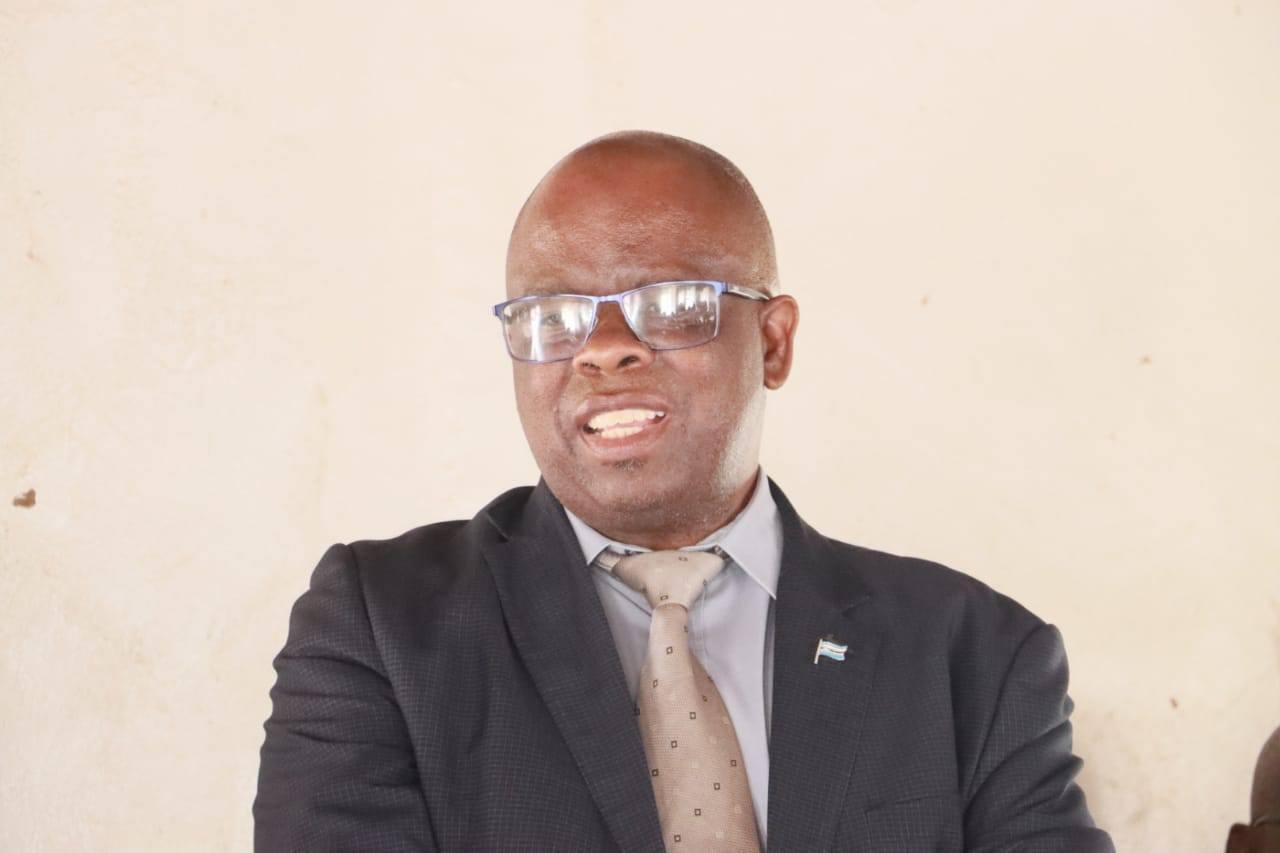
Africa-Press – Botswana. The government of Botswana is advancing plans to establish a Constitutional Court aimed at addressing longstanding human rights concerns, tribal disputes, and land-related issues. In recent consultative meetings with residents of Moshopa and Kumakwane, Assistant Minister in the Ministry of Local Government and Traditional Affairs, Mokwaledi Moswaane, outlined the intended role of the court. He explained that citizens have often faced challenges where legal judgments, particularly on tribal or land disputes, were not implemented. The new Constitutional Court is designed to uphold the Constitution, mediate during constitutional reviews, and ensure that human rights are protected effectively. By providing a specialized legal framework, the government aims to offer a reliable platform for citizens to have their grievances addressed in a timely and fair manner.
Mr. Moswaane emphasized that tribes with unresolved legal cases will benefit from the court, as it provides a mechanism to enforce judgments that were previously ignored. He highlighted the experience of communities such as Kumakwane, where unlawful land dispossession has been a recurring concern. Residents will now have access to a judicial body that can resolve such matters with authority and consistency. The court will serve not only as a forum for tribal disputes but also as a platform for broader human rights issues, ensuring that all citizens have recourse when their rights are violated. This approach reflects the government’s commitment to strengthening the rule of law and fostering social justice.
While most attendees expressed support for the establishment of the Constitutional Court, some raised concerns about other pressing societal challenges, including the need for improved health services and the repair of dilapidated infrastructure. Kgosi Mosielele of highlighted that the court would help his tribe address legal ambiguities, especially as they currently fall under the jurisdiction of another tribe. Mr. Moswaane reassured residents that the court’s creation would not divert resources from essential services. He confirmed that budgets have been allocated to maintain health services, refurbish schools, and improve road infrastructure. The government aims to balance the introduction of the Constitutional Court with ongoing development priorities, ensuring that societal needs are met alongside judicial reforms.
In addition to the meetings, Mr. Moswaane conducted visits to local clinics to assess the availability of medication and healthcare services. He noted that contrary to claims circulating on social media, essential medicines are adequately stocked and accessible to patients. These visits reinforced the government’s efforts to monitor service delivery and ensure that citizens have access to basic healthcare. By engaging directly with communities and addressing concerns about both legal and social infrastructure, the Assistant Minister demonstrated a comprehensive approach to governance that combines judicial innovation with practical service provision.
The establishment of the Constitutional Court marks a significant step in Botswana’s efforts to strengthen its legal system and protect citizens’ rights. It is expected to resolve disputes that have persisted for years, provide clarity in tribal matters, and offer a reliable mechanism for addressing constitutional grievances. At the same time, the government continues to invest in health, education, and infrastructure, ensuring that broader societal needs are not neglected. By integrating judicial reform with service delivery, Botswana seeks to create a more equitable and accountable system that benefits all residents. This initiative reinforces the country’s commitment to upholding human rights and promoting justice across all sectors of society.