Africa-Press – Botswana. Human Rights Watch stated that pollution resulting from the operations of the British-French oil company “Perenco” in the Democratic Republic of the Congo exposes nearby communities to health risks, including respiratory diseases and symptoms such as chest pain.
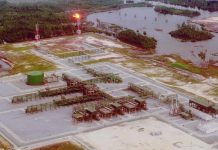
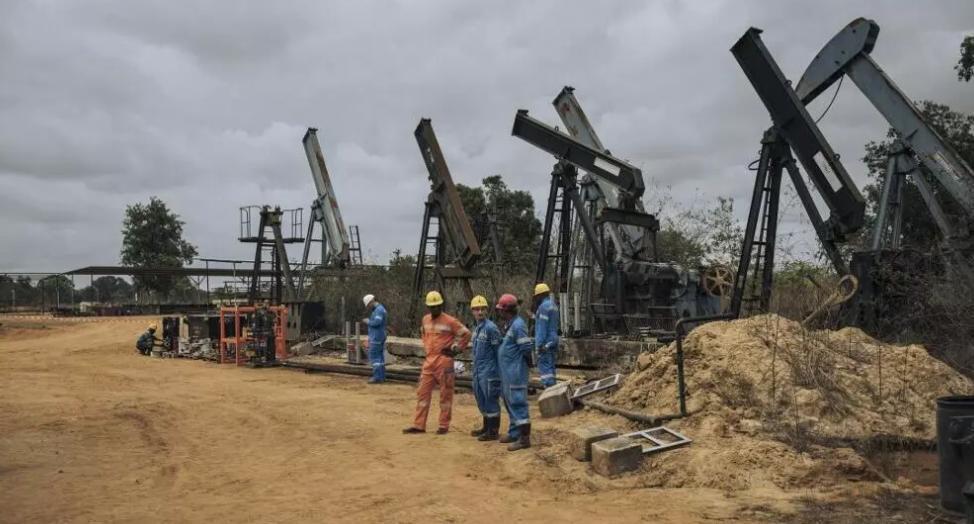
Perenco is the sole oil producer in the country, operating onshore and offshore facilities around the city of Moanda along the 37-kilometer (23-mile) Atlantic coast of Congo, where it pumps approximately 19,500 barrels of oil daily.
Human Rights Watch explained that its findings were based on interviews with 45 local residents, oil workers, health professionals, officials, and experts, in addition to analyzing satellite images, videos, and photographs from the area.
The organization reported that remote sensing data and witness testimonies indicated gas flaring, largely prohibited under Congolese law, at five sites between January 2025 and March 2026, including one site less than 80 meters (262 feet) from homes. The group cited reports from residents indicating they suffered from respiratory illnesses and other symptoms such as chest pain, headaches, and nausea.
The group also noted that Perenco had not prevented oil spills from wells and pipelines into the soil and waterways, citing two previous studies as additional evidence.
An investigation conducted by the Congolese Senate in 2013 concluded that levels of lead and mercury were above World Health Organization guidelines for drinking water. In 2025, a study by researchers from universities in Congo and Cameroon found that hydrocarbons and other pollutants in contaminated soil near Moanda posed potential risks to human health.
Human Rights Watch urged Kinshasa to publish the results of the environmental audit conducted on Perenco in 2024, pointing out that authorities have yet to release preliminary results or set a timeline for the final report. According to the report, Perenco denied that its operations caused air, soil, or water pollution or serious health effects, asserting its investment in pollution prevention and infrastructure maintenance.