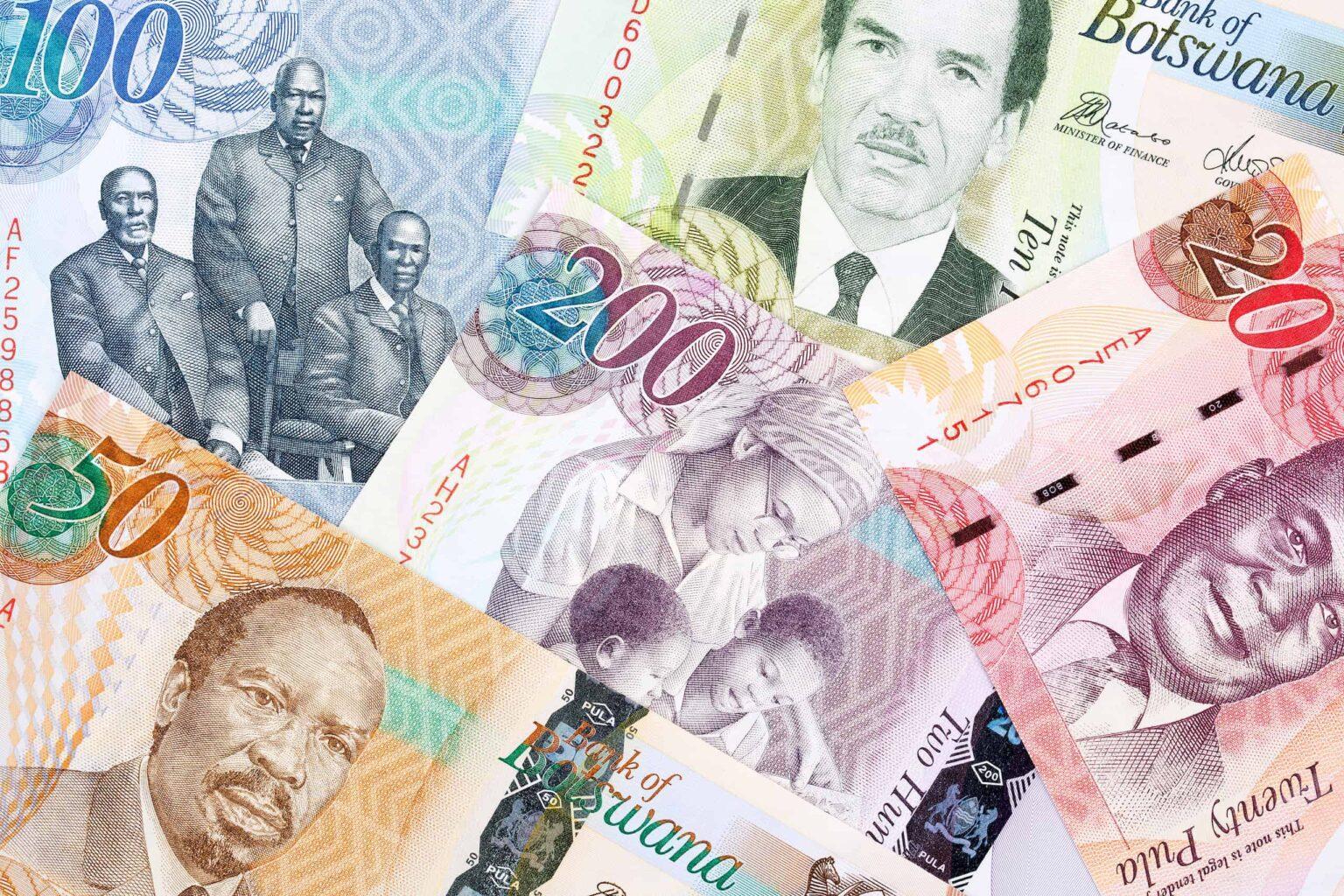
Africa-Press – Botswana. Botswana’s trade with other Southern African Development Community (SADC) countries exposes businesses to a variety of currency exchange risks. As a small, trade-dependent economy, fluctuations in exchange rates can significantly affect imports, exports, profit margins, and overall financial stability. Understanding these risks is critical for companies engaging in cross-border trade.
Botswana primarily trades in South Africa, Namibia, Zimbabwe, Zambia, and Mozambique. The country’s currency, the Botswana Pula (BWP), floats against major currencies, which introduces volatility when conducting transactions with SADC partners using the South African Rand (ZAR), Zambian Kwacha (ZMW), or Mozambican Metical (MZN). Exchange rate fluctuations can increase costs for importers and reduce revenue for exporters if not managed properly.
One major risk is transaction exposure, which occurs when businesses have pending contracts denominated in foreign currency. For example, a Botswana company importing machinery from South Africa priced in Rand may find costs higher if the Pula weakens before payment is made. Similarly, exporters invoicing in foreign currency risk receiving less in Pula if the exchange rate moves unfavorably.
Another risk is translation exposure, which affects companies reporting financial statements in Pula. Subsidiaries or joint ventures in other SADC countries may generate revenue or hold assets in local currencies. When converting these figures into Pula, exchange rate shifts can alter reported profits, impacting investor perception and creditworthiness.
Economic exposure is also significant. Changes in exchange rates can affect Botswana companies’ long-term competitiveness. For instance, if the Pula strengthens relative to the Rand, Botswana exports may become more expensive in South Africa, reducing demand. Conversely, a weaker Pula can make imports costlier, increasing operational expenses for businesses reliant on foreign inputs.
Several factors contribute to currency volatility in the region. Political uncertainty, differing monetary policies, inflation rates, and commodity price changes all influence exchange rates. South Africa, as Botswana’s largest trading partner, has a major impact; ZAR fluctuations often ripple through SADC trade due to the volume of cross-border transactions.
Businesses can adopt several strategies to mitigate these risks. Forward contracts and currency hedging allow companies to lock in exchange rates for future transactions, reducing uncertainty. Diversifying trade partners across multiple SADC countries or invoicing in more stable currencies can also help manage risk. Maintaining foreign currency reserves or opening multi-currency accounts provides flexibility to handle short-term fluctuations.
Financial planning and monitoring are essential. Companies should track exchange rate trends, monitor regional monetary policy, and anticipate market shocks. Collaborating with banks and financial institutions for expert guidance on currency risk management is highly recommended.
Currency exchange risk is an inherent part of Botswana’s participation in SADC trade. By understanding the different types of exposure and implementing proactive strategies, businesses can protect profit margins, remain competitive, and maintain financial stability despite fluctuating exchange rates.
For More News And Analysis About Botswana Follow Africa-Press