Africa-Press – Botswana. Botswana has a growing population of school-age children, creating a consistent need for uniforms. Primary and secondary schools typically require uniforms in standard colors and designs, often specified by the Ministry of Basic Education or individual school boards. This creates an opportunity for manufacturers to produce garments that meet uniform specifications while offering durability, comfort, and affordability.
Starting a school uniform manufacturing business involves several key steps. First, market research is essential. Manufacturers need to identify popular styles, preferred fabrics, and sizing requirements. They should also understand price sensitivity in local communities, as affordability is a major factor for parents purchasing uniforms.Best clothing retailers
Fabric selection is critical. Cotton and polyester blends are commonly used for their durability, ease of washing, and resistance to wear. Manufacturers must balance quality and cost to produce uniforms that can withstand daily use and frequent washing while remaining affordable for families. Durable stitching and reinforced seams are essential to meet school standards and ensure long product life.
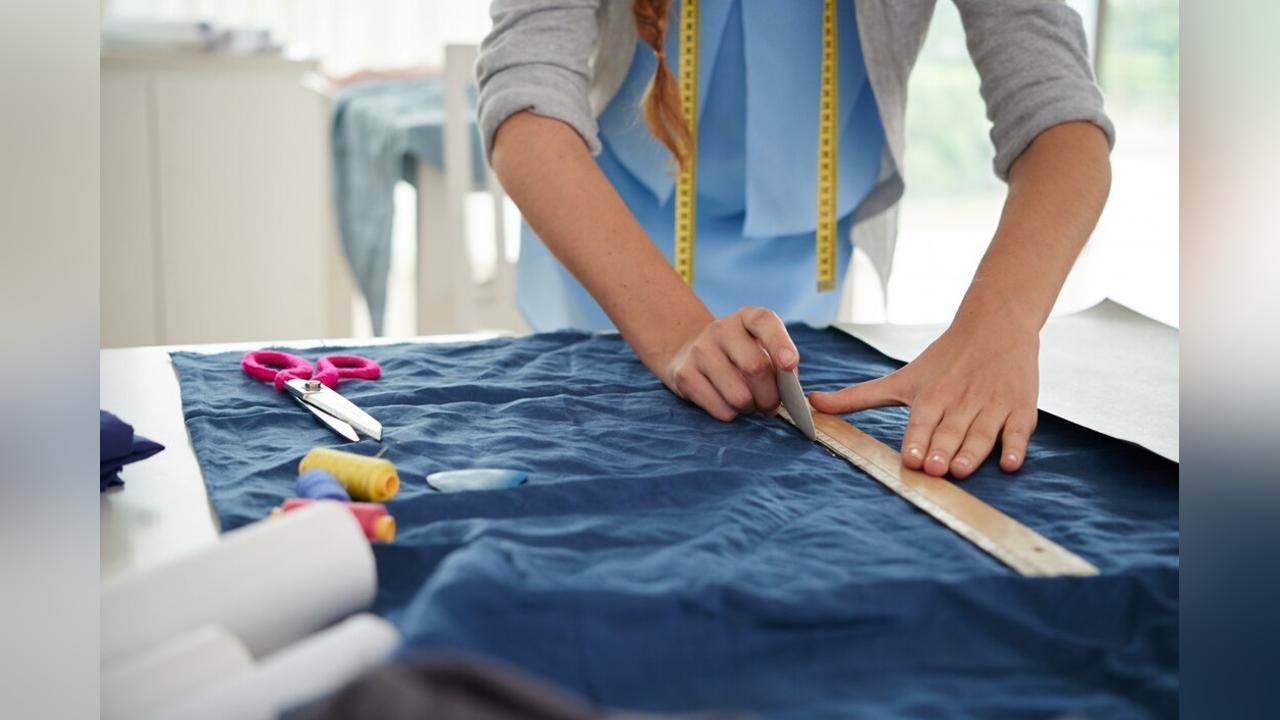
Production planning involves sourcing raw materials, establishing a sewing and cutting workflow, and managing labor efficiently. Small-scale operations can start with local seamstresses and expand as demand grows. For larger operations, investing in automated sewing machines and industrial cutting equipment can increase output and reduce production time.
School supplies
Compliance with local regulations is necessary. Manufacturers should ensure that labels, safety standards, and labor practices meet Botswana’s legal requirements. This includes registering the business, paying applicable taxes, and following labor laws. Maintaining ethical practices in production can also enhance brand reputation among schools and parents.
Distribution and marketing strategies are key to reaching schools and parents effectively. Manufacturers can establish direct contracts with schools, provide bulk orders, or partner with retail shops that sell uniforms. Offering delivery services, online ordering, and size guides can improve convenience for customers and expand market reach.
Pricing strategy is important to compete with imported uniforms. Local manufacturers can leverage lower transportation costs and faster turnaround times as competitive advantages. Bulk production and efficient supply chain management help maintain cost-effectiveness while ensuring quality.
Local manufacturing also supports community development. Employing seamstresses, fabric suppliers, and delivery personnel contributes to job creation. Additionally, sourcing materials from Botswana-based suppliers strengthens the local textile industry and reduces reliance on imports.
Challenges in the industry include fluctuating fabric costs, maintaining consistent quality, and competing with imported uniforms. Manufacturers need to implement quality control measures, negotiate reliable supply contracts, and develop brand recognition to maintain a strong market position.
Manufacturing school uniforms for Botswana’s local markets is a stable and profitable business opportunity. By focusing on quality, affordability, and reliable service, local manufacturers can meet consistent demand, support community employment, and strengthen Botswana’s textile sector. This venture provides a sustainable business model while contributing positively to the country’s education system.
For More News And Analysis About Botswana Follow Africa-Press