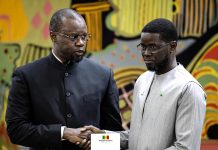
Africa-Press. The Senegalese Finance Minister, Cheikh Diop, stated that the fuel subsidy bill in Senegal could exceed the 2026 budget allocations by up to 1.15 trillion West African francs (2 billion dollars) if oil prices rise to 115 dollars per barrel due to the war in Iran.
The Prime Minister, Ousmane Sonko, indicated that this level would represent about one-fifth of the total budget.
Diop noted before Parliament that the Prime Minister rejected his request to raise fuel prices to help share the financial burden when the Iranian crisis erupted, leading to an increase in oil prices.
Senegal’s economy, valued at 40 billion dollars, has been disrupted since late 2024 when the newly elected government revealed debts that had not been reported by the previous administration, now estimated at around 13 billion dollars.
In response, the International Monetary Fund froze its funding, and access to international bond markets diminished, forcing the country to rely on regional markets and tax revenues to meet its financing needs.
Rising Oil Prices
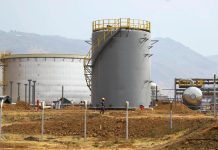
The West African nation allocated 250 billion West African francs (about 442 million dollars) for fuel subsidies this year before the Iranian war.
The current budget proposal assumes an oil barrel price of 85 dollars. At this level, the cost of fuel subsidies would reach 774 billion West African francs (about 1.4 billion dollars), Diop stated in response to a question in Parliament.
However, if the crisis continues and prices reach 115 dollars per barrel, subsidy costs could rise to 1.39 trillion West African francs (more than 2 billion dollars). He added, “Once the crisis broke out, I approached the Prime Minister to propose raising prices and sharing the burden with the population. The response has been negative so far.”
He pointed out, “We have started updating the framework, in an attempt to propose, based on different scenarios, conditions that allow us, with all other things being equal, at least to stay on track for achieving fiscal consolidation.”