Africa-Press. Cameroon is preparing to open its second annual parliamentary session in June, amid escalating discussions regarding financial policy in a context described as delicate.
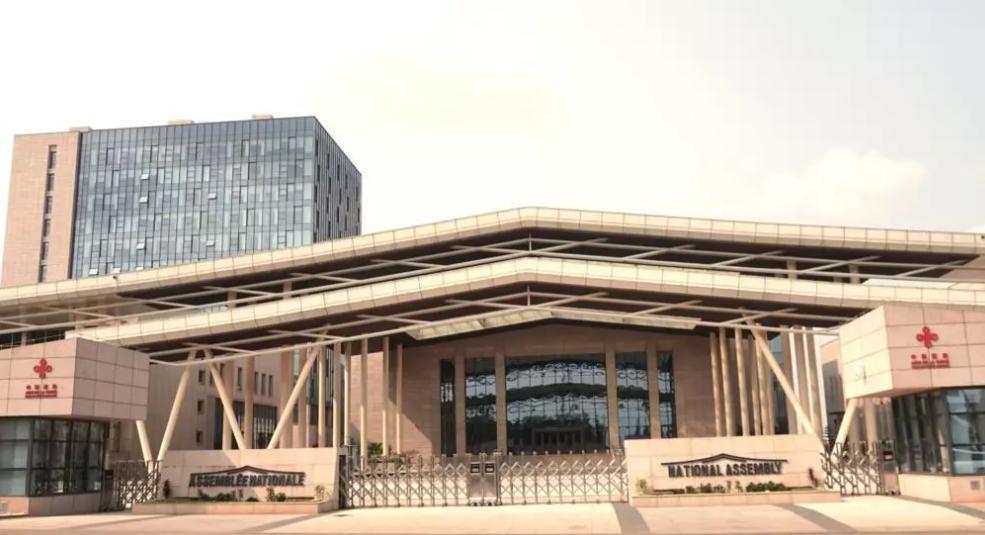
Members of the Senate and the National Assembly are set to commence their work on June 9, in a session that holds particular significance as it lays the groundwork for the preparation of the 2027 budget proposal.
As has been customary in previous years, the parliamentary session is expected to include a review of the current year’s budget through amendments to the finance law, in light of increasing challenges faced by the government in securing the necessary resources to implement its development programs and plans.
The approved budget for the current year is approximately 8.8 trillion Central African francs; however, limited resources and the ongoing political uncertainty related to a long-anticipated cabinet reshuffle have contributed to an increase in uncertainty within economic circles.
Economic actors and analysts agree that the Cameroonian economy is facing a clear liquidity crisis, which has impacted public financial performance. Experts attribute these difficulties to weak tax and customs revenue collection due to a slowdown in activity in the formal sector, as well as declining returns from the mining and hydrocarbons sectors due to governance and management challenges.
At the same time, the public budget is under significant pressure due to rising government operating expenses and external debt service burdens, which considerably reduces the resources available for funding development and investment projects.
This situation has led to a decline in funding allocated for infrastructure projects and essential services, including improvements to water and electricity networks, healthcare, and roads, which are priority sectors for citizens across the country.
The government is also facing increasing criticism due to delays in settling dues to local service providers. According to data from the Independent Consumer Fund, the value of unpaid bills to local suppliers exceeded 500 billion Central African francs as of March 31.
The prevailing political ambiguity has further complicated the economic landscape, as the repeated announcements by President Paul Biya regarding the formation of a new government, without actual implementation to date, have affected the pace of budget execution and led to delays in launching public procurement tenders during the first half of the year.
In light of these challenges, Cameroon continues to seek external financing while negotiating with the International Monetary Fund regarding a new program aimed at supporting financial stability and enhancing the economy’s capacity to withstand increasing pressures.