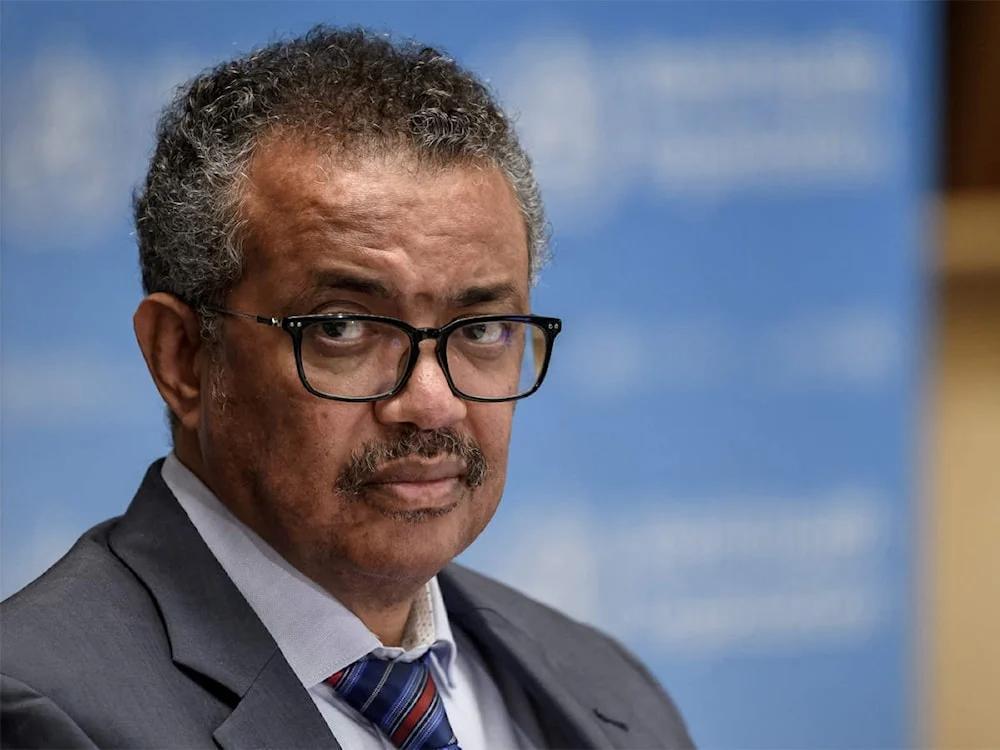
Africa-Press. The Director-General of the World Health Organization, Tedros Adhanom Ghebreyesus, urged Ugandan authorities to reconsider their decision to close the borders with the Democratic Republic of the Congo due to the outbreak of the Ebola virus, emphasizing that comprehensive travel restrictions and border closures are not effective means of controlling the spread of the disease.
Tedros made these remarks during a visit to an Ebola patient isolation unit in the Ugandan capital, Kampala, where he praised the speed of Uganda’s response and its ability to detect infections and trace contacts. However, he warned that closing the borders could hinder health and humanitarian efforts and affect the response to the epidemic.
Uganda had closed its borders with Congo at the end of May for four weeks, allowing exceptions for Ebola response teams, humanitarian operations, and the transport of food and goods, following reports of infections linked to the outbreak in eastern Congo.
Ituri Province in eastern Congo is currently the epicenter of the rare “Bundibugyo” strain of the Ebola virus. According to the latest data from the World Health Organization, Congo has reported over 540 confirmed cases, while Uganda has reported 19 cases, most of which are linked to individuals who crossed the border from Congo.
International health organizations have warned that closing the borders may drive populations to use unofficial crossings that are difficult to monitor health-wise, increasing the risk of transmission instead of reducing it. They have called for enhanced health screenings, border monitoring, and regional coordination instead of comprehensive lockdowns.
This comes as the World Health Organization and the African Centers for Disease Control and Prevention continue to implement a $518 million response plan to address what has become the fourth largest Ebola outbreak in history, amid concerns about the ongoing spread of the disease in a region already suffering from armed conflict and weak health infrastructure.