Africa-Press – Eritrea. COUNTRIES compete in the global arena, in many ways and in an organized manner that respects the rules of an international organization.
In order to achieve their goals and national interests, they sometimes violate the principles of competition in other ways through two concepts: “hard power” means the state’s ability to influence the regional or international arena through its military, economic, and political power, and the concept of “soft power” which was coined by Joseph Nye in the 1970s.
It means an exercise of power through consent rather than coercion, which recognizes that the state is not the only actor in the world system, but rather that civil society, the media, wellknown sports icons, cultural figures, and intellectuals can play a vital role in shifting attitudes and perspectives in relation to a country, an idea, or a particular phenomenon, and that through the possession of soft power, a state lacking It was remedied thanks to “soft power”, which is also called “soft diplomacy”.
Through mediation, bilateral agreements, multilateral action, and the work of various international organizations to achieve goals based on mutual interests, this form of diplomacy has a stronger effect during peaceful times and represents in fact a guarantee against crises, and for small and medium countries that lack the balance of power, this is the only means of resolving disputes.
The State of Qatar was ranked 31st globally in the 2020 rankings by the Soft Power Index (Brand Finance International) and 26th in the 2021 rankings.
This is mainly due to enhancing the attractiveness of the business environment in Qatar through the continuous development of economic and social legislation. Furthermore, the investments of the Qatar Investment Authority, the “state wealth fund” around the globe, Qatar Airways’ extravagant presence abroad, and Hamad International Airport, which ranks among the top airports in the world, play a major role in enhancing the soft power of the state, as well as attracting a talented and motivated workforce.
Politically, Qatar has played a prominent role in regional mediation efforts and has an active presence in international forums.
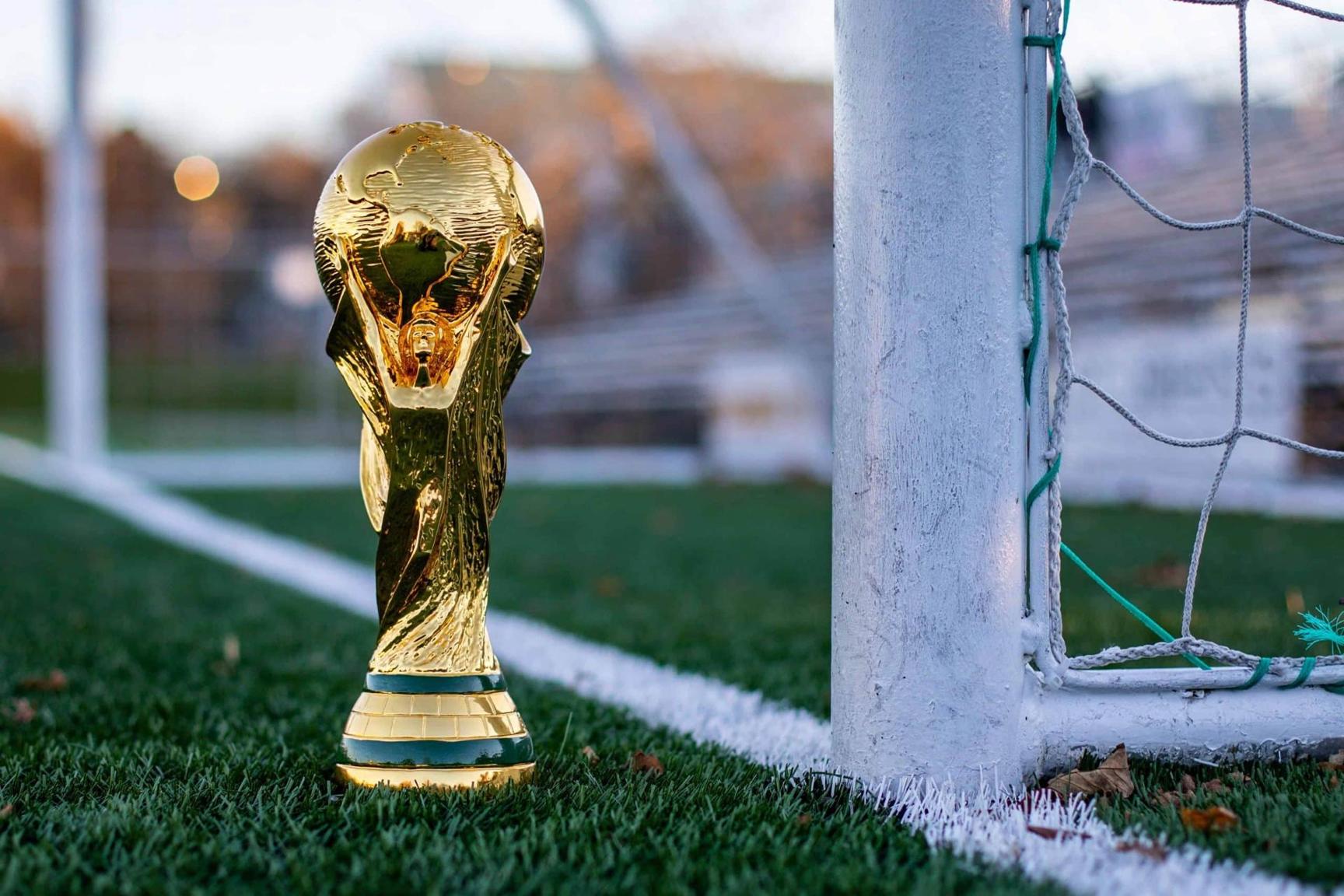
Since 2008, Qatar has adopted the comprehensive development strategy “National Vision 2030” (the way to the future) which is a document that reflects the economic, environmental, and political aspirations of the nation, emphasizing the need for economic diversification, social justice, and sound policies, hosting international sporting events, especially hosting the 2022 World Cup.
It serves these goals in different ways; it also enables the event to be distinguished. It distances itself from traditional concepts of a backward Middle East riven by wars and conflicts.
Rather, it highlights Qatar’s role as a technological pioneer, a peacemaker, and an influential mediator.
Qatar is not inexperienced in organizing major sporting events. It hosted the Asian Games in 2006 and the 2011 Asian Nations Cup. Qatar also hosts the annual Master’s golf tournament, the Qatar Open tennis tournament, and car racing. The Williams Formula 1 team has a technical center in Qatar.
Motorcycle racing since 2004. A World Motorcycle Championship round takes place at the Lusail International Circuit in Doha and international sporting events.
Qatar aims to transform the global perception of a small country dependent on oil and gas into a modern, attractive, and technologically advanced country. Hosting is considered a primary goal in the political project of the State of Qatar to reform its global image and obtain an advanced geopolitical position.
Qatar has invested heavily in acquiring sports projects globally, so Qatari companies bought football clubs, such as (Paris Saint-Germain), and concluded sponsorship deals with international clubs. It funded international and advanced football academies, and in 2010, the Qatari leadership also succeeded in submitting a bid to organize the 2022 World Cup and to enhance its reputation by hosting the most attended and followedup in the world.
The event also attracted global attention, at a time when the Qatari authorities sought to carry out the necessary legal reforms to ensure that workers enjoy decent working and living conditions that enabled the state to overcome unfair and sensational criticism, while the Qatar World Cup 2022 demonstrated the unexpected and multifaceted nature of soft power and highlighted the limits of the state’s attempt to shape its image positively and distinctly while preserving the cultural and consolidation of principles and values that enabled Qatar to achieve its goals and aspirations before the world through the organization and elaborate management from the opening to the end of the championship.
With the emergence of soft power literature, experts began to recognize the political potential of mega sporting events. These events attract the world’s attention to the host country.
They provide a chance to adjust perceptions while examining the country’s behavior and how it can accomplish its ambitions and respond to challenges. Qatar, for example, has sought to address many concerns.
On the feasibility of holding the World Cup in the desert temperatures of Qatar. This is for both football fans and players, who, according to FIFA rules, are not allowed to play in temperatures exceeding 32 degrees Celsius without mandatory cooling periods.
Air-conditioned stadiums with cooling devices that work sustainably on solar energy, the necessary infrastructure such as transportation lines (metro and trains), airports, a large number of hotels, shopping and entertainment places, and the development of emerging technologies in a short time.
Promoting political events for major sporting events is often done through the interconnected nature of the Internet era and reaching a larger audience.
In addition, countries can also take advantage of the transnational networks of the modern and developed world, which do not distinguish their identities in a globalized discourse.
In addition, they can also address unwanted stereotypes while enhancing the image of the desired destination.
This is done while preserving the constants, values, customs, and traditions without prejudice to the pillars of civilization and culture upon which the state is built. Through the use of influence and soft power, Qatar was able to convince the world of Qatar’s values and heritage in an influential global crowd.
This was done by utilizing its creative and artistic capabilities and modern technologies. As a result, it and its neighbors in the Arab Gulf countries benefited economically and socially.
Countercampaigns and distortions have existed since 2010 but when it came to the preparation, arrangements, coaching, and final victory of the championship, the small island firmly established itself in the senior class and made history with a well-deserved victory in a fierce battle in which determination was the winning factors.
The writer is a Political Analysist.
Source: Daily News – Tanzania Standard Newspapers
For More News And Analysis About Eritrea Follow Africa-Press