Africa-Press – Eritrea. Animals have long served as symbols for nations around the world. From Canada’s industrious beaver to China’s gentle giant panda or mythical dragon, countries often choose creatures that reflect their identity, values, or natural heritage. In Africa, the springbok represents South Africa’s agility, while the elephant embodies strength in the Ivory Coast.
In the Horn of Africa, Eritrea, with its diverse landscapes – from deserts and mountains to rugged hills and pristine seas – also carries a rich tapestry of wildlife, each species offering a lens into the nation’s character. These animals are more than just inhabitants of the land and waters; they are living symbols of Eritrea’s resilience, patience, diversity, and abundance, embodying the stories, struggles, and strengths of its people.
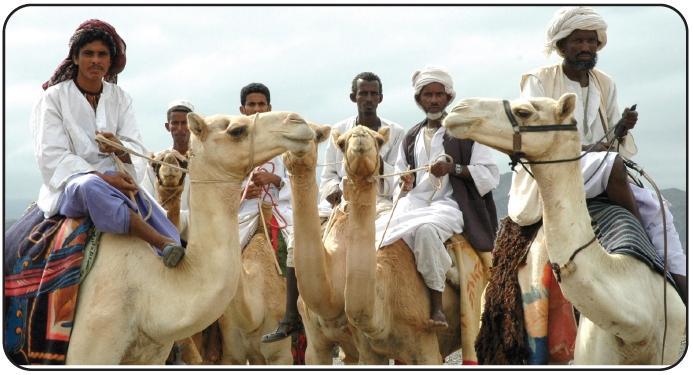
At the forefront of these symbolic creatures is the camel, prominently featured on Eritrea’s national emblem and even on its currency, the Nakfa. Camels are remarkable animals, embodying resilience, endurance, and adaptability – qualities honed by their ability to survive in harsh desert environments where few others can. In Eritrea, camels played a critical role during the long struggle for independence, transporting fighters, supplies, and resources across treacherous landscapes. They mirror the Eritrean people’s resilience and capacity to adapt to ever-changing challenges.
Their unwavering focus is captured in the famous Eritrean proverb: “The camel marches while the dogs bark,” a saying that resonates given the persistent media attacks and external rhetoric the nation has faced and continues to confront. Even today, camels powerfully symbolize the country’s steadfast endurance through unjust sanctions, external pressures, and environmental and climate challenges.
Equally symbolic is the tortoise, long associated with longevity, patience, persistence, and wisdom. In Eritrea, the tortoise mirrors the nation’s principled stance and perseverance in the face of formidable challenges. The “slow and steady” approach commonly attributed to tortoises reflects Eritrea’s pragmatic path to development – favouring deep, sustainable, equitable, and long-term gains over quick, flashy, or superficial results. The tortoise’s hard shell also symbolizes a cohesive society capable of withstanding external pressures while maintaining unity. Furthermore, the longevity and wisdom of tortoises resonate with Eritrea’s deep cultural respect for elders, who are regarded as bearers of knowledge, tradition, and guidance.
From the deserts to the skies, birds provide another lens into Eritrea’s character. While research is ongoing, the country is estimated to host between 550 and 600 bird species, including both resident and seasonal migrants. These birds are diverse and colourful, and they exhibit a wide range of behaviours – making them powerful symbols of Eritrea’s rich diversity in ethnicity, religion, and culture. That they thrive across the country also reflects the nation’s unique harmony and cohesion despite its diversity – a rare achievement in historical and global contexts.
Eritrea’s natural diversity extends to its seas. With an extensive Red Sea coastline that is one of the longest in Africa, the country’s waters surrounding hundreds of islands host over 1,100 fish species and 44 genera of hard coral, creating one of the highest levels of marine species diversity and endemism recorded anywhere. Around 18 percent of fish species and 20 percent of coral species are endemic to these waters. This rich marine life mirrors Eritrea’s broader abundance of resources and potential, from minerals and landscapes to perhaps its most treasured asset: its people.
Gazelles further enrich Eritrea’s symbolic wildlife. The country is home to several species, including the Dorcas and Soemmering’s gazelles, which symbolize agility, grace, and vitality. Remarkably, several years ago, a long-missing species – the Eritrean Gazelle – was rediscovered after nearly 90 years, highlighting both the resilience of wildlife and the importance of conservation.
This rediscovery also underscores Eritrea’s longstanding commitment to protecting its natural heritage. While conservation has become a global priority only recently, Eritrea prioritized protecting land and wildlife even during the freedom struggle under the leadership of the EPLF. In many ways, these gazelles embody this ethos – enduring and adapting through challenges while thriving in a society that values and safeguards its environment.
Together, Eritrea’s symbolic animals reveal a nation defined by resilience, patience, diversity, and abundance. They offer more than reflection – they provide perspective, showing how enduring values and collective strength shape a country’s identity and potential. Beyond their individual traits, these creatures collectively mirror Eritrea’s cultural identity and historical experience, from the endurance of camels to the freedom of birds and gazelles. In this way, the story of wildlife becomes inseparable from the story of the nation itself.
shabait