What You Need to Know
The micro-credit and saving program in Teseney sub-zone has disbursed 24.7 million Nakfa to 1,350 customers, aiming to improve livelihoods in remote areas. With 11,498 beneficiaries across 51 administrative areas, the program supports small trade, agriculture, and livestock development, encouraging timely loan repayments and financial training.
Africa-Press – Eritrea. The micro-credit and saving program in Teseney sub-zone reported that last year 24.7 million Nakfa was disbursed to 1,350 customers in the sub-zone. Mr.
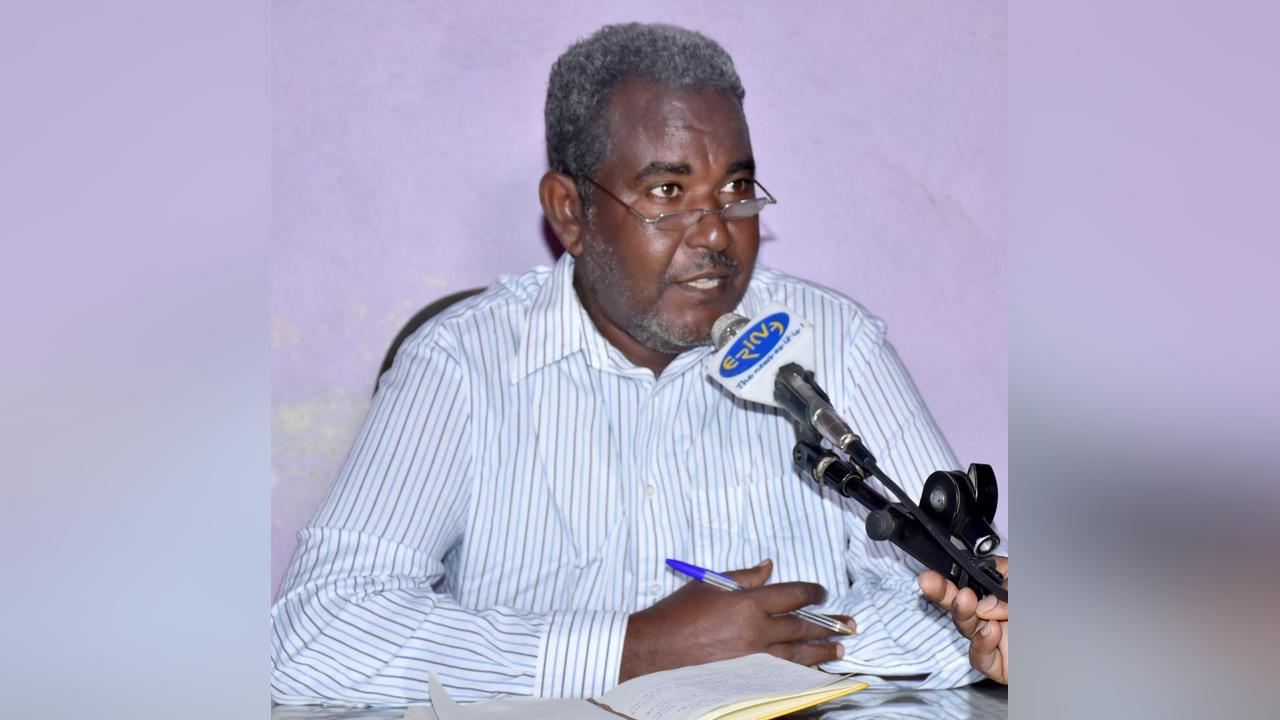
Tadese Mebrahtu, head of the program in the sub-zone, noted that the main objective and mission of the program is to enable citizens in remote areas to access loans and improve their livelihoods, and that many have become beneficiaries of the program. Mr.
Tadese indicated that there are about 11,498 beneficiaries of the program at individual and group levels in 51 administrative areas and about 200 villages in the sub-zones of Teseney, Golij, Haikota and Forto-Sawa, who are mostly engaged in small trade, agriculture, and livestock development.
Mr. Tadese also said that 68% of the loans have been repaid by customers and called on others to repay their loans on time, as well as on area administrators to strengthen their contribution to the effort. Mr.
Lenin Okbaselasie, a member of the program, said that sustainable training programs on financial and material management are being provided to customers and called on others to take advantage of the opportunities the program offers.
Micro-financing initiatives have gained traction in developing regions as a means to empower individuals economically. In Eritrea, programs like the one in Teseney sub-zone are crucial for providing access to financial resources for those in remote areas, enabling them to improve their livelihoods through small-scale businesses and agriculture. These initiatives not only support economic growth but also foster community development by encouraging responsible financial practices and repayment of loans.