
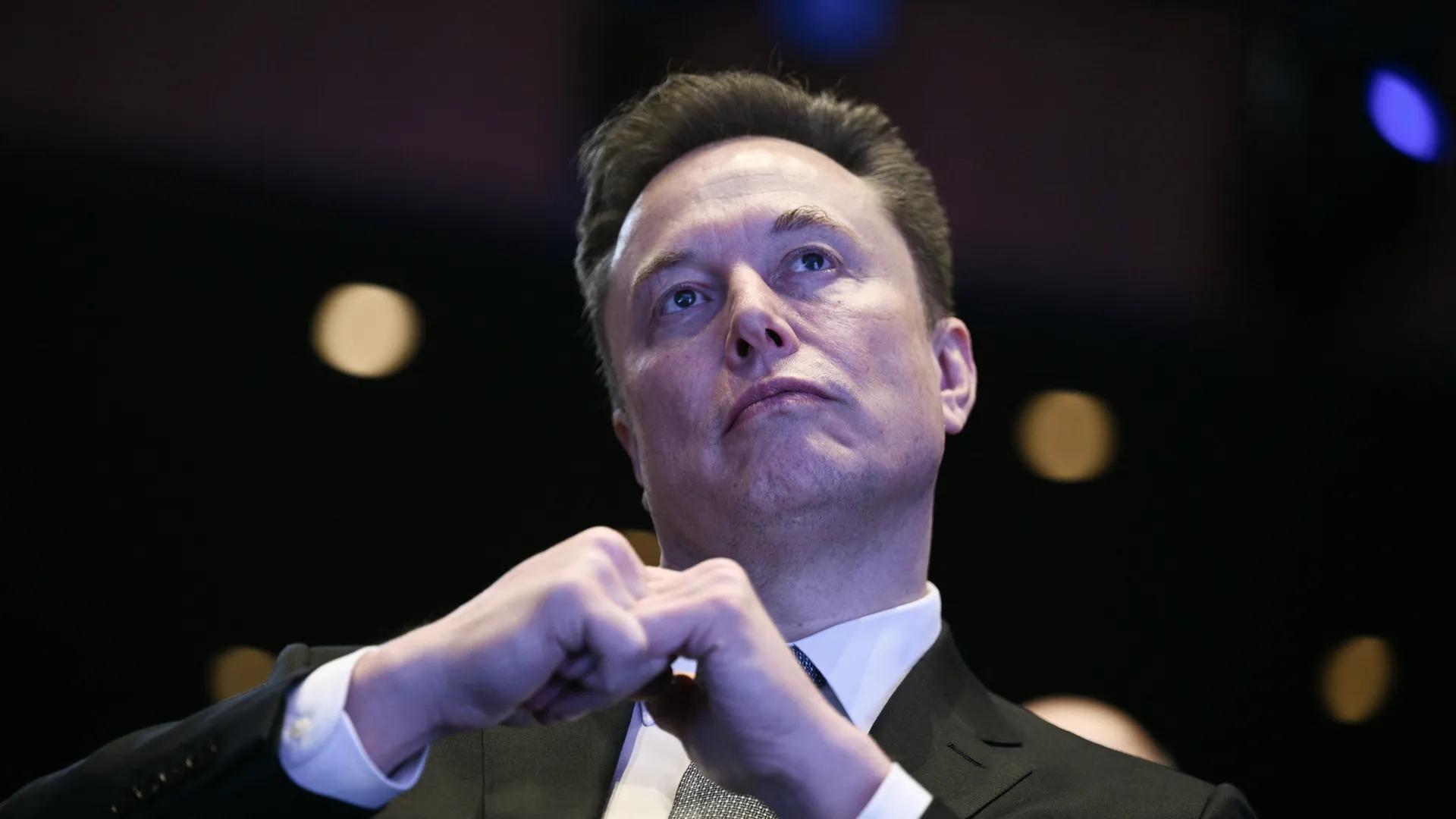
Africa-Press – Eritrea. The world’s richest man, Elon Musk.More than two decades after his turbulent exit from PayPal, tech billionaire Elon Musk is once again stepping into the payments arena—this time with a product that analysts say could challenge the very empire he helped create.
At the center of this shift is X Money, a planned digital wallet embedded within Musk’s social media platform, X.
The service, still in beta, is designed to integrate payments, messaging, and commerce into a single interface—mirroring the “super app” model popularised in Asia.
According to Mizuho financial analyst Dan Dolev, the platform has the “potential to disrupt U.S. payments,” a view that accompanied his recent downgrade of PayPal stock after two years of bullish sentiment.
The disruption thesis rests largely on scale and integration.
X is estimated to have between 500 million and 600 million monthly active users globally, according to Statista.
That reach significantly exceeds the roughly 100 million active accounts on PayPal’s peer-to-peer platform, Venmo.
Analysts argue that even modest adoption of X Money among existing users could translate into a sizable payments network almost overnight.
Unlike standalone payment apps, X Money is being built into a broader ecosystem.
Musk’s ambition to transform X into an “everything app” means payments would not operate in isolation but as part of a continuous user experience—embedded in conversations, content, and commerce.
“The playbook seems clear,” Dolev noted in a client report, pointing to models such as China’s WeChat Pay and Alipay, where communication and financial transactions coexist seamlessly.
If successful, this approach could turn social engagement into direct transaction flow, bypassing traditional checkout processes that companies like PayPal rely on.
That shift poses a direct threat to PayPal’s core business, particularly its branded checkout service, which remains a major driver of revenue.
“Musk has a broader reach than PayPal and Venmo, the payments apps that offer a social experience,” noted Dolev.
By enabling in-app purchases and peer-to-peer transfers, he notes X Money could divert transaction volume away from external payment gateways.
Analysts warn that this could erode PayPal’s “crown jewel” segment, especially as the company already faces slowing growth.
X Money is also using aggressive incentives to attract users.
Early beta participants report features such as deposit accounts offering up to 6% annual percentage yield—well above typical U.S. savings rates—alongside cashback rewards and integrated financial services like payroll deposits and transfers.
Musk’s re-entry into fintech is not without historical resonance.
In 1999, he co-founded X.com, an early online banking venture that later merged with Confinity to form PayPal.
Though he was eventually ousted as CEO, the company went on to dominate digital payments.
Now, with X Money, Musk appears poised to revisit that space with a more expansive vision—one that leverages social media scale to reshape how users interact with money.
While analysts caution that any impact on PayPal is unlikely to be immediate, the long-term implications are harder to ignore.
If X succeeds in converting its vast user base into active financial participants, it could redefine digital payments—and challenge the dominance of a company Musk once helped build.