Africa-Press – Eswatini. Government will not remove or reduce some taxes as means of mitigating the high cost of living.
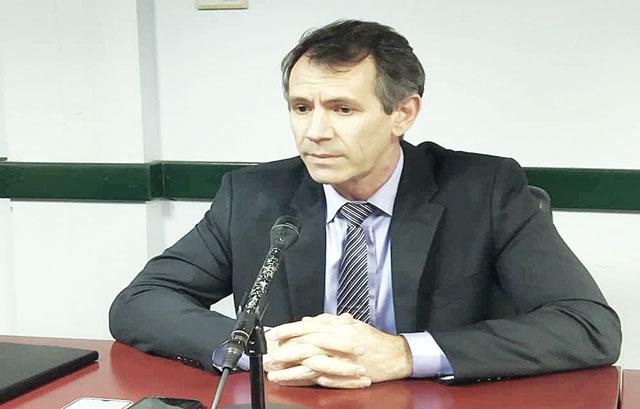
The Minister of Finance, Neal Rijkenberg said this during a press conference, which was aimed at giving an insight of government’s efforts of mitigating the high cost of living in the country.
The minister said the economy was experiencing pressures and Emaswati were starting to feel the pressure of rising cost of food and services.
Last week, the Trade Union Congress of Swaziland (TUCOSWA), with 18 of its affiliates, delivered petitions to four government departments in protest of the high and escalating cost of food and commodities.
The unions gave government seven days to respond to their concerns, which included increasing social grants by 100 per cent among other proposals. Meanwhile, the public transport sector had earlier proposed that government should cut the fuel levy, a move they argued would significantly reduce the price of fuel in the country.
Minister Rijkenberg said the current rising cost of living was largely influenced by external factors.
“First of all we have a normal economic pressure from COVID, unrest and the Russia-Ukraine war adding pressure to the cost of living and escalating prices,” he said.
He said while government looked into relieving Emaswati from the pressure, there were no-go areas.
The minister noted several ideas that were passed by people that could help Emaswati through the financial crisis.
These include reducing value added tax (VAT), fuel levies and contribution to funds among others.
Rijkenberg said the country was mostly run by money coming from taxes. Some countries in the Southern African Development Community (SADC) region like Botswana cut VAT from 14 per cent to 12 per cent.
The minister said to consider cutting VAT like Botswana did was impossible for Eswatini because its economy was directly linked to South Africa.
“If SA reduces we would have to consider because the cross border trading might be a nightmare like it was before when it increased VAT from 14 per cent to 15 per cent,” he said.
The minister said government could not afford to reduce taxes because government had to look at other areas to dodge that were paid for by the taxes.
He said funds collected from taxes were spent on Free Primary Education (FPE), health and paying salaries, among other things.
“If we cut taxes that means the money should come from somewhere, which means government will have to acquire more loans and this could lead the country to sink in debts,” he said.
Rijkenberg said the cutting of taxes had backfired for countries that had tried it.
The minister added that there were other suggestions of removing fuel levies in order to reduce the price of fuel.
The minister gave a breakdown of the current price of fuel.
He explained that from the price of fuel currently paid for by consumers 83 cents goes to the fuel levy, 42 cents goes to the Sincephetelo Motor Vehicle Accidents Fund and 50 cents to the Consolidated Fund, which government used to cushion prices and 4 cents goes to Customs.
He said if, for instance, government cut the MVA share of 42 cents per litre, it would mean the fund would not be able to pay road accident victims as well as run their entire operations.
The minister said the side effects of cutting taxes outweighed the savings from consumers.
For More News And Analysis About Eswatini Follow Africa-Press