
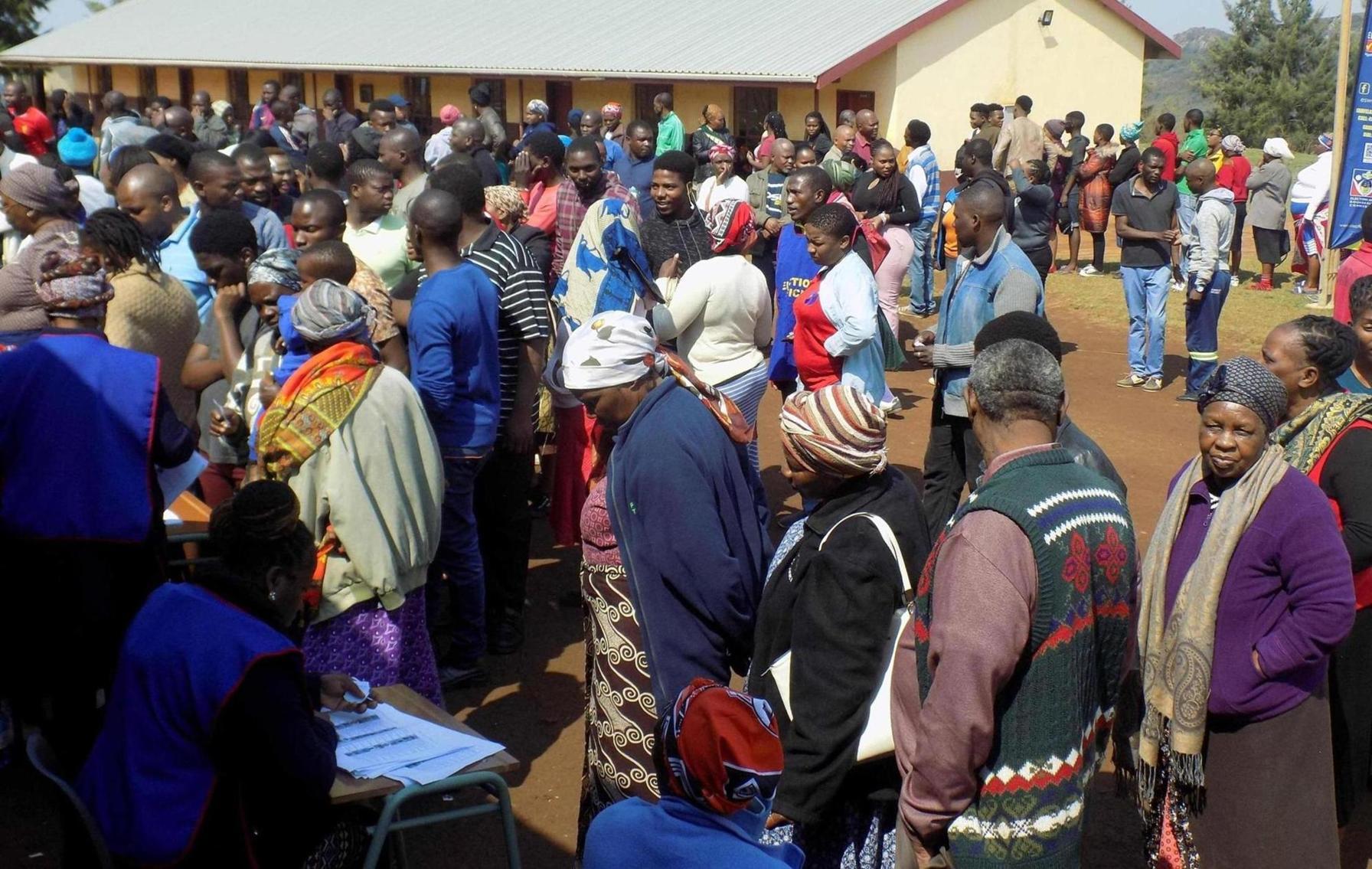
Africa-Press – Eswatini. The taxpayer will foot an expenditure of about E3 million for the two-day nomination process.
The nomination process, which is the third item in the 2023 General Elections calendar published by the Elections and Boundaries Commission (EBC), shall be held on July 22 and 23, 2023. In 2018, when the constituency centres were increased from 55 to 59, the EBC used 1 091 vehicles. From this figure, 216 vehicles were sourced from the government fleet while the remaining of 875 were rented. According to previous reports, the vehicles were rented at about E3 500 each per day. On the basis of this independent calculation by this publication, the taxpayer shall foot a minimum of E3 062 500 to rent the 875 vehicles, which were reportedly adequate for this stage of the elections.
Elections
The 875 vehicles which were rented by government in 2018 for this stage of the general elections were 217 double-cab bakkies, 217 sedans, 441 mini-buses with the capacity to transport 13 seated passengers per trip. On the other hand, the vehicles which were used in 2018 for this stage and sourced from the government fleet were 93 double-cabs, 93 sedans and 30 mini-buses, which had the capacity to transport 13 passengers per trip. The vehicles shall be used in ensuring that the 59 constituency (tinkhundla) centres, which have 336 chiefdoms under them, have adequate transport to meet the nomination process needs. The nomination process, which is an act of suggesting or choosing somebody as a candidate in an election, shall be held this coming weekend. This process is conducted in accordance with the Constitution of the Kingdom of Eswatini, Act 1 of 2005, which designates chiefdoms as nomination centres.
Nominate
Each chiefdom is expected to nominate candidates in the following elective offices; bucopho, indvuna yenkhundla and Member of Parliament (MP). Meanwhile, government, through the Ministry of Public Works and Transport Principal Secretary (PS), Thulani Mkhaliphi, said government had a fleet size of about 3 000 and the fleet strength was reduced daily when the life of each of these assets came to an end. The PS said in the past, what government would do, was to buy the vehicles. However, he said in the recent past, the cost of vehicles had gone up so steeply to a point where the cost of one vehicle was now equivalent to four when taking into consideration in prices from six years ago. “We now have slightly above 1 700 fully functional fleet (which is) aging very quickly, though due to excessive use. For the election project, we are using a combination of our regular fleet and privately sourced vehicles,” he said.
Mkhaliphi said the numbers fluctuated through the period, depending on the need and intensity of the operation. The PS said government was keeping the numbers at bare minimum to control costs, but at the same time ensuring smooth flow of the project (elections). He said the procurement of new vehicles using the lease financing was not yet complete as there was no company that had yet been identified. The PS said the public would be advised in due course once the process had been completed. “We are looking at finalising the process in the next two weeks,” he said. Mkhaliphi said this after his input was sought to establish if government’s plans to avail the vehicles for the elections process were on the right course. He was sought for comment to establish how many had the ministry secured and also, if the tender for fleet lease financing had been awarded. He was also asked if it had been awarded, to which company was it extended to and if no, when would this process be completed, given the elections calendar.
This is subsequent to a previous engagement with the ministry on May 9, 2023, wherein this publication was informed that the elections project would be supplied with vehicles as they needed them. Mkhaliphi, at the time, said the system that would be used this time around would not only be cost sensitive, but also be towards meeting fleet requirements of departments and ministries once elections were completed. This was when this publication reported that government had in its coffers about E200 million to procure vehicles. Half the amount was sourced from the EBC transport budget. The EBC, according to impeccable sources presented their programme to Cabinet and also sought vehicles to use during the upcoming elections over the 59 constituencies.
According to sources, the EBC had sought to establish if they had to lease vehicles for the upcoming vehicles or there would be an intervention by government. It was gathered that Cabinet assured the EBC that it would have the vehicles ready for the elections. Instead of leasing its own vehicles, sources claimed that the EBC was advised of a broader plan which would sort out government’s fleet challenges. At the end of the meeting, it was said, the EBC agreed to extend its budget of E100 million to the Ministry of Public Works and Transport. It is worth noting that the government fleet has been in disarray since the 11th Parliament came into office.
The Ministry of Public Works and Transport, through the Eswatini Government Tender Board, has since the beginning of the year been calling upon companies to express interest in government fleet leasing and financing. The ministry expressed a desire to engage a firm for the provision of government fleet lease financing for a period ranging between three and five years. According to the 2018 National Elections report, government allocated E71 138 130 for the elections’ transport budget.
For More News And Analysis About Eswatini Follow Africa-Press