Africa-Press – Eswatini. In efforts to assist traders diversify markets local and especially, in global markets, EIPA will introduce the traders into Dubai’s Halal Trade and Marketing Center (HTMC).
The Eswatini Investment Promotion Authority (EIPA), in collaboration with the Halal Trade and Marketing Center (HTMC), will host a free webinar to train export ready businesses in the food and beverages industry on halal market trade opportunities, halal compliance, halal certification and halal marking for products. The free webinar will take place on November 7, 2023 at 10 am (Eswatini time) on Microsoft Teams. The HTMC is a Dubai Based global business development center focused on Halal economy opportunities for manufacturers, suppliers, and distributors of Halal products and services. The workshop will look at the whole value chain of the halal economy from supply chain, to producing, processing, packaging and labeling for products to be halal compliant. It will also focus on the market trends of halal consumers their spending power and other relevant information.
Participants
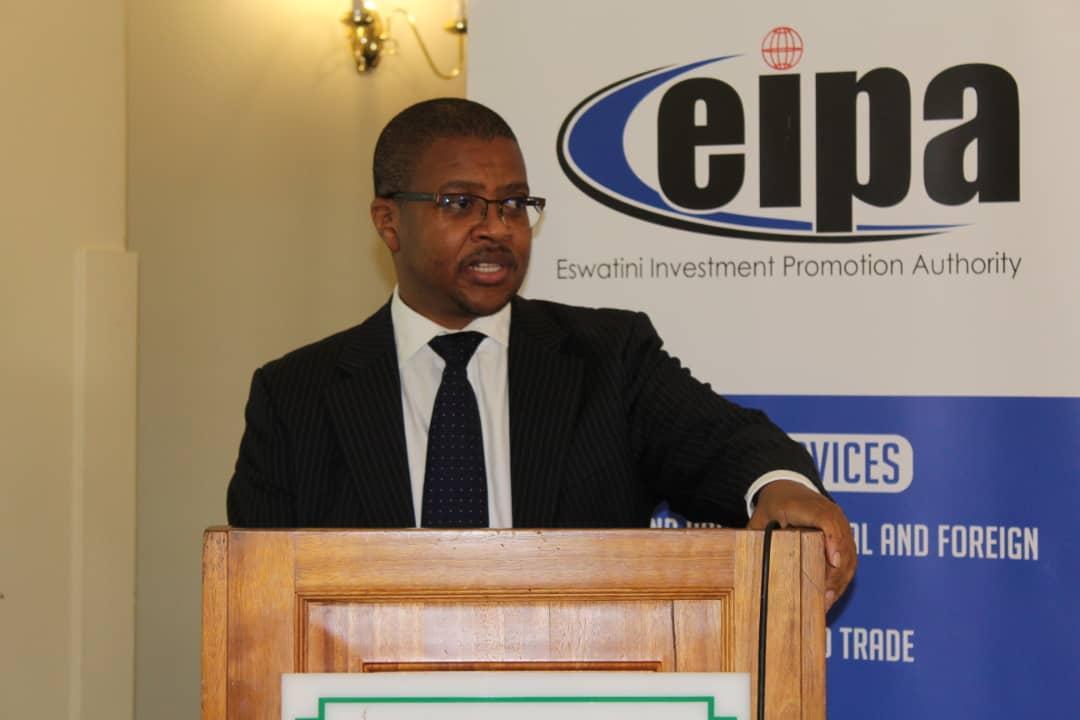
When giving context on the objective of the training, Sibusiso Mnisi, Manager External Trade at EIPA said, “Participants can register for the training by visiting https://forms.gle/ARU8NUFrkMaVhA1n7.” Mnisi said the objective of the training is to create awareness amongst local traders on the vast market opportunities in the halal economy, their size in population and spending power. He said it was one way in which EIPA was trying to help traders diversify markets local and especially, in global markets. “In a case where you export products that are not halal, it means the Muslim community will not buy from you. We would like to equip traders with the knowledge they need to comply with these requirements and provide a product that is in line with demand in these markets,” he said. The Halal market refers to a market in which the buyers are from the Muslim community and are members of the Islamic Faith. There are regulations that need to be followed in the preparation of products for this market to ensure that their religious beliefs are respected and accommodated in production.
According to Population Review.com, by population, the Halal market is estimated to be in the region of 1.8 billon people globally. This is just over 20 per cent of the world’s population.
It is estimated that this market has a combined spending power of US$1.2 trillion in the food and beverages industry alone. Some examples with a high Muslim population include Egypt, where 94 per cent of the population (90 million people) are Muslim and Turkey, where 98 per cent (84 million people) of the country’s citizens observe Islam.
standing
In South Africa the Muslim community is in the minority standing at 1.8 per cent (roughly 1 million people). The Muslim community in Eswatini stands at two per cent totaling in the region of 6 000 people. Though these numbers are low in comparison to other regions around the world, the figures still represent a viable market for export. Mnisi encouraged businesses in the food and beverages sector all around Eswatini to participate in this training. He said by attending, the traders would receive critical information on how to diversify their product offerings and market reach. He said attendees could expect to be exposed to first-hand information on the Halal market and what its intricacies were. Mnisi said as the business community was aware, each market had its requirements and these need to be met to successfully export products to them. He said therefore this training was also in line with the vision of the Ministry of Commerce Industry and Trade’s mandate to drive the formation of a private sector led export driven economy which fits in to EIPA’s trade mandate to increase trade activity in Eswatini through export and domestic trade.”
For More News And Analysis About Eswatini Follow Africa-Press