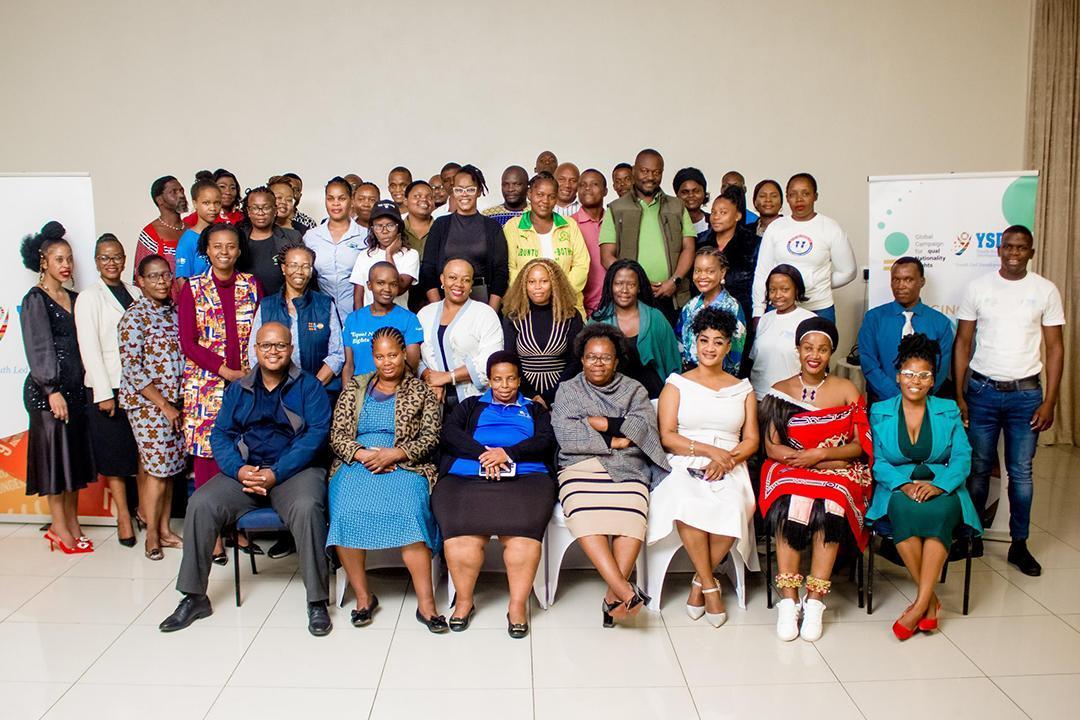
Africa-Press – Eswatini. Last week, there was a significant gathering at The George Hotel, where local government officials, developmental agencies, civil society organisations (CSOs), undocumented individuals, and members of the public convened for a National Dialogue on Statelessness and Equal Nationality Rights.
Hosted by the Youth Sustainable Development Centre (YSDC) and supported by the Global Campaign for Equal Nationality Rights, the dialogue addressed the pressing issue of stateless individuals and the discriminatory nationality laws that contribute to their marginalisation. The aim was to envision a future where all children in Eswatini could acquire nationality at birth, irrespective of their parents’ gender or nationality, and where equal rights to transfer citizenship were guaranteed for all.
A Call to Action
In her opening remarks, Nokuthula Mamba, the Executive Director of YSDC, emphasised the urgency of the situation. She stated that statelessness was not merely a legal issue but a moral crisis that deprived individuals of their fundamental rights, including access to education, healthcare, and dignity. Mamba called for reforms to ensure that no one is left behind, highlighting how discriminatory policies disproportionately affect women and children, leaving many Emaswati vulnerable to statelessness.
Human rights lawyer Mzwandile Masuku also attended the event and provided a presentation that laid the groundwork for the discussion by explaining birth registration, nationality, and citizenship. He pointed out that many states restrict the full enjoyment of rights based on nationality or citizenship. Through the dialogue, attendees highlighted the challenges undocumented Emaswati face in accessing basic rights due to a lack of legal birth registration.
Zanele Mlambo, the Commissioner of Refugees and Statelessness Focal Person, shared insights from the “I Belong” campaign, a ten-year initiative aimed at addressing statelessness. She encouraged the nation to support initiatives implemented by the Ministry of Home Affairs and called for unity among Emaswati to prevent young lives from being adversely affected by statelessness.
A Rare Platform for the Voiceless
The dialogue offered a rare opportunity for undocumented Emaswati to share their experiences, which are often overlooked in public forums. Participants recounted their struggles to access education, healthcare, and employment due to their lack of legal status. YSDC Projects Officer Mpumalanga Zwane noted that many undocumented Swazis are excluded from essential social welfare services, such as free primary education and social grants.
The event concluded with a renewed commitment to advocacy and legislative reform, as stakeholders pledged to work together to close legal gaps, promote gender equality in nationality laws, and raise awareness about statelessness. Mamba concluded by stating that the dialogue marked the beginning of effective action to address statelessness, asserting that together, they could build an Eswatini where everyone belongs.
Facts on Gender Equal Nationality Rights and Statelessness
A stateless personis one who does not legally possess nationality documents from any country, such as a birth certificate or identity card. This means they lack the nationality of any country, and some individuals are stateless from birth while others become stateless later in life.
Causes of Statelessnessinclude discrimination based on race, ethnicity, religion, language, or gender, with many stateless individuals belonging to minority groups. Gender discrimination in nationality laws is a significant factor contributing to childhood statelessness. In 24 countries, women cannot pass on their nationality equally with men, leaving children stateless if fathers are unknown, missing, or deceased. Eswatini is among these 24 countries.
Gaps in nationality laws and conflicts of nationality laws arising from migration can also lead to statelessness. For example, a child born in a foreign country may risk becoming stateless if that country does not grant nationality based on birth alone, and if their country of origin does not permit a parent to pass on nationality to children born abroad.
For More News And Analysis About Eswatini Follow Africa-Press