
Africa-Press – Eswatini. Eswatini’s economy recorded strong growth of 8.3 per cent in 2025, up from 4.8 per cent in 2024, reflecting improved fiscal discipline, sectoral performance and strategic reforms across Government.
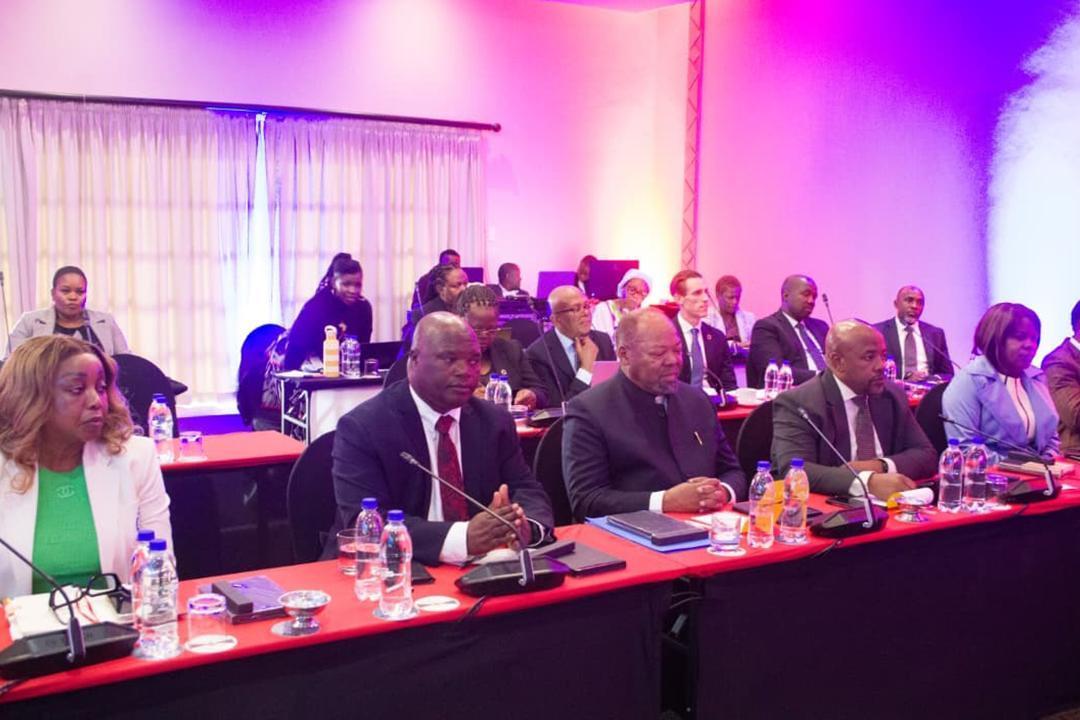
Prime Minister Russell Mmiso Dlamini confirmed the figures on Monday, 16 February 2026, during the Annual Cabinet Strategic Review Meeting, commonly known as the Cabinet Retreat, held at the Royal Villas in Ezulwini.
“The Ministry of Finance provided steady economic stewardship during a challenging global environment. Eswatini recorded a GDP growth rate of 8.3 per cent in 2025, surpassing regional averages,” said the Prime Minister.
Strong Fiscal Performance
Revenue mobilisation improved significantly, with E16.5 billion collected between April 2025 and March 2026. The Prime Minister said this reflected strengthened fiscal discipline, improved compliance and prudent financial management.
A key milestone was the successful issuance of a sovereign bond on the Johannesburg Stock Exchange, which diversified Government’s financing sources and enhanced investor confidence in the country’s economic trajectory.
The Ministry of Economic Planning and Development played a central coordinating role in aligning national priorities with implementation frameworks. It strengthened coherence between sectoral plans and the Programme of Action, while advancing monitoring and evaluation systems to improve accountability, results-based decision-making and value for money across Government.
Raising Eswatini’s Global Profile
The Ministry of Foreign Affairs and International Cooperation strategically elevated Eswatini’s international profile through sustained high-level diplomatic engagement. The Kingdom positioned itself as a principled contributor to global discourse on governance, peace and development.
Government consistently articulated the Tinkhundla System of Governance as a people-centred, consultative and consensus-driven model, reinforcing the view that democracy must be contextual, culturally grounded and responsive to lived realities.
At the same time, Eswatini deepened relations with traditional partners while expanding engagement with non-traditional partners, strengthening its influence and resilience within a multipolar global order.
Health and Human Capital Gains
In the health sector, Government achieved a major milestone with the introduction of cancer treatment through radiation therapy following the enactment of the Nuclear Radiation Act. This significantly reduced reliance on external referrals and improved access to specialised care.
Availability of essential medicines across public facilities improved, although challenges remain. The establishment of the Central Medical Stores as a State-Owned Enterprise marked a critical reform aimed at strengthening procurement, distribution and accountability.
Government also made a significant investment in education, allocating E5.41 billion to the sector, including E702 million for scholarships. These investments expanded access to education and skills development, strengthening the foundation for long-term competitiveness and social mobility.
Economic Transformation and Food Security
The Ministry of Commerce, Industry and Trade advanced trade facilitation, industrial development and investment promotion, supporting domestic enterprise growth, export development and regional integration.
The Ministry of Agriculture intensified efforts towards food sovereignty, focusing on agricultural productivity, farmer support and value-chain development. These initiatives strengthened food security, rural livelihoods and national resilience.
Meanwhile, groundwork was laid to enhance energy security and governance within the sector. Government also commenced a review of the National Land Policy, a matter affecting every citizen and sector of development. The Prime Minister expressed gratitude to His Majesty the King for directing that the process be approached with care and diligence to safeguard national interests and promote equity.
Infrastructure, Governance and Digitalisation
The Ministry of Public Works and Transport focused on maintaining and upgrading public infrastructure to improve connectivity and enable economic integration.
The Ministry of Home Affairs strengthened civil registration, immigration management and national identity systems, enhancing governance, planning and national security.
Legislative reforms advanced by the Ministry of Justice and Constitutional Affairs, including the Medical Supplies Agency Act and the Nuclear Radiation Act, reinforced the legal framework underpinning service delivery and accountability.
Further progress was made in decentralised governance, housing delivery, urban development and digital transformation. The Ministry of Information, Communication and Technology continued promoting ICT development to enhance public service delivery, digital inclusion and economic competitiveness.
Overall, the 8.3 per cent growth recorded in 2025 reflects broad-based progress across sectors, signalling renewed economic momentum and strengthened foundations for sustainable development in Eswatini.