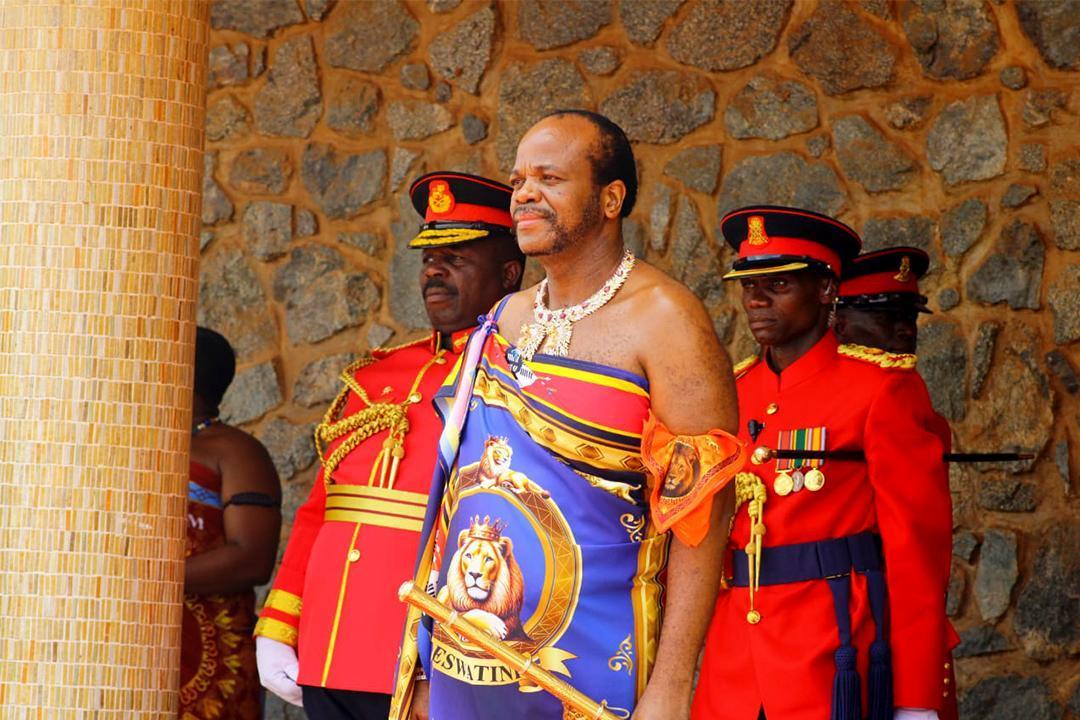
Africa-Press – Eswatini. His Majesty Mswati III has congratulated Parliament for documenting its history from 1967 to date, describing the initiative as a significant milestone in preserving the Kingdom’s legislative legacy.
Delivering the Speech from the Throne during the State Opening of the Third Session of the 12th Parliament on Friday, 20 February 2026, the King commended all those who contributed to the compilation and writing of the historical publication.
“We take this opportunity to congratulate Parliament on documenting its history from 1967 to date, and commend all those who have contributed towards the writing of this book,” His Majesty said.
The King noted that preserving the history of the Legislature was vital in strengthening institutional memory, promoting accountability and educating future generations about the evolution of governance in the Kingdom.
In the same address, His Majesty announced a major development aimed at enhancing transparency and public participation in parliamentary processes.
“We are pleased to inform the nation that, in line with our transformation and innovation agenda, parliamentary debates will now be broadcast live,” he declared.
The introduction of live broadcasts is expected to provide emaSwati with direct access to parliamentary proceedings, enabling citizens to follow discussions and representations made in the House as they unfold.
“This will help the people to follow accurately the representations made in the House as they happen,” the King added.
His Majesty emphasised that increased visibility would naturally bring greater scrutiny and accountability. In this regard, he urged parliamentarians to rise to the occasion and discharge their duties with diligence and integrity.
“With this closer scrutiny, we urge you parliamentarians to work with Nkwe in pursuing the aspirations of our national vision, to ensure that the King and country are proud of your service delivery,” he said.
The King’s remarks underscored the importance of transparency, innovation and responsible leadership in strengthening democratic governance and aligning parliamentary work with the broader national development agenda.