Africa-Press – Eswatini. Efforts to strengthen conservation and secure Eswatini protected areas have taken centre stage as stakeholders meet to validate key management plans under the Mbuluzi Ecosystems Restoration Project.
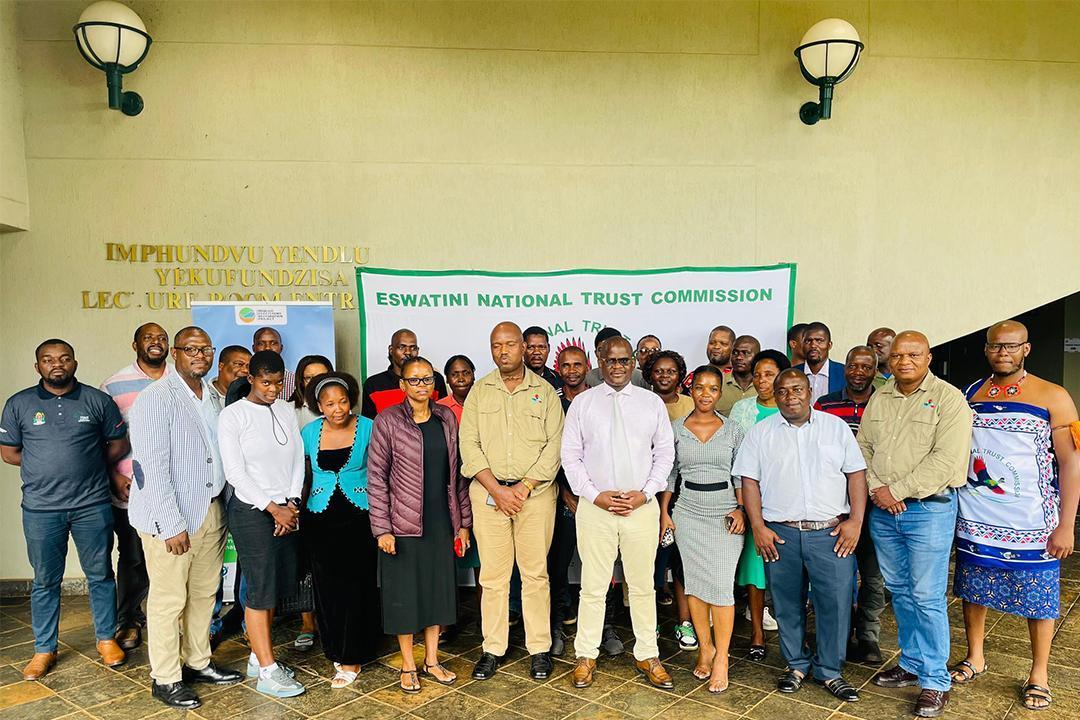
The Eswatini National Trust Commission (ENTC) has convened government representatives, conservation partners and technical experts at the King Sobhuza II Memorial Park Auditorium for the Protected Area Management Plans Validation Workshop.
The workshop is held under the Mbuluzi Ecosystems Restoration Project, funded by the Global Environment Facility with technical support from the United Nations Environment Programme.
The engagement focuses on reviewing, refining and validating management plans for Malolotja, Mlawula and Hawane Nature Reserves. The process ensures that the plans are inclusive, technically sound and aligned with both national and global conservation priorities before formal adoption and implementation.
The development of these plans marks a significant milestone in advancing ecosystem restoration, biodiversity conservation and sustainable land management within the Mbuluzi River Basin. Once finalised, they are expected to guide long-term conservation efforts, strengthen governance frameworks and enhance the ecological integrity of protected areas, while also supporting community livelihoods.
Speaking on the significance of the workshop, ENTC GIS Coordinator Nkululeko Dlamini emphasised the importance of inclusive participation.
“This validation workshop provides a platform for stakeholders to contribute meaningfully to the finalisation of these management plans, ensuring they are responsive to both environmental priorities and community needs,” he said.
Ecologist Sandile Gumendze also highlighted that the process strengthens collaboration and ensures the plans reflect shared national priorities in conservation and sustainability.
At Mlawula Nature Reserve, Senior Warden Bandla Sonnyboy Mtsetfwa presented a science-based management plan anchored on biodiversity conservation, protection of cultural heritage and inclusive socio-economic development through a community-driven approach.
The reserve plans to invest over E10 million in 2026 and more than E7 million in 2027, focusing on infrastructure development, capacity building and strengthening community partnerships. Key targets include reducing poaching and human-wildlife conflict by 50 percent, while engaging more than 500 community members annually.
Meanwhile, Malolotja Nature Reserve Senior Warden Teddy Ncamiso Dlamini outlined a comprehensive plan that includes reducing poaching by 50 percent by 2035, developing a water theme park and interpretation centre by 2030, refurbishing facilities and fencing, and introducing Ecological Management Zones.
The reserve also plans to invest over E16 million over five years to support ecological research, law enforcement, fire management and sustainable eco-tourism initiatives. The plan further promotes transfrontier conservation area collaboration, advances citizen science and positions the reserve for research excellence while strengthening climate resilience.
The workshop reflects the broader objectives of the Mbuluzi Ecosystems Restoration Project, which seeks to enhance conservation of an eco-resilient and productive landscape while delivering tangible benefits for communities.
Through strengthened protected area management, the project contributes to biodiversity conservation, climate change adaptation and mitigation, as well as sustainable livelihoods.
Following the validation process, the finalised management plans will guide implementation and inform coordinated conservation actions across Eswatini’s protected areas network.