Africa-Press – Eswatini. King Mswati III has been recognised for playing a key role in promoting and preserving cultural practices across all regions of the country over the past four decades.
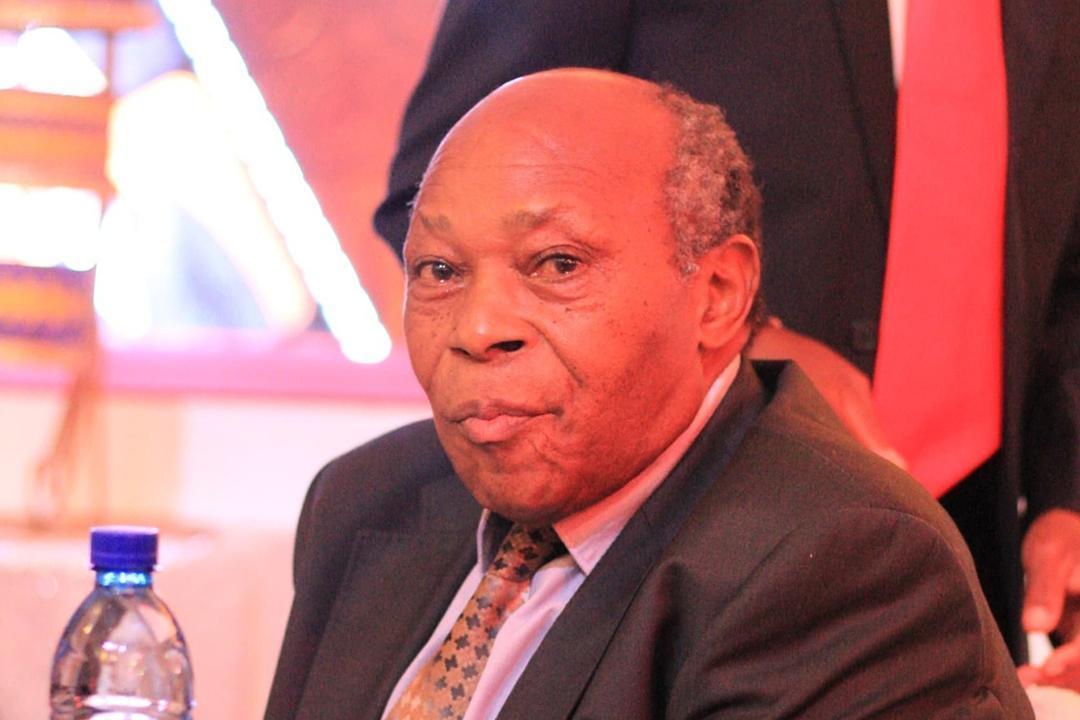
This was highlighted by Liqoqo Chairman Paul Dlamini, who noted that the King’s leadership since ascending to the throne in 1986 has ensured that culture remains central to national identity and unity.
Dlamini indicated that one of the King’s notable contributions has been the decentralisation of major cultural events, including the Incwala ceremony and royal birthday celebrations. These events, which were once largely concentrated in specific locations, have over time been extended to different regions of the country.
Decentralisation Strengthens National Inclusion
According to Dlamini, the decision to rotate and extend cultural activities to various regions was aimed at ensuring that emaSwati from all parts of the country feel included and connected to national traditions.
He noted that all regions have hosted the King’s birthday celebrations multiple times, reflecting a deliberate effort to bring national events closer to the people.
The Incwala ceremony, which had not been practised prior to the King’s installation, was revived and expanded to be observed at several royal residences across the country. These include Ludzidzini in the Hhohho Region, Ngabezweni in the Manzini Region, Buhleni in the Hhohho Region, Mbangweni in the Shiselweni Region, and Mpumalanga in the Lubombo Region.
This expansion has allowed more citizens to actively participate in cultural practices without the need to travel long distances to central locations.
Cultural Participation Encourages Unity
The extension of Incwala to different regions has also strengthened national unity by encouraging broader participation. Communities are able to celebrate within their localities while still maintaining a connection to the main national events held at key royal sites.
Dlamini noted that this approach has made cultural ceremonies more accessible, particularly for individuals who may not have the means or physical ability to travel far distances.
He cited instances where elderly citizens and people living with disabilities have been able to take part in regional ceremonies, highlighting the inclusive nature of the initiative.
The increased participation at regional level has also encouraged many emaSwati to later travel to central locations such as Ludzidzini to join in larger national celebrations.
Legacy of Leadership and Development
Dlamini further stated that the King’s approach reflects the legacy of King Sobhuza II, under whose leadership cultural preservation was also prioritised.
In addition to cultural promotion, the King has been credited with supporting development initiatives across the country, including infrastructure projects such as road construction, which have improved accessibility to various regions.
He also noted that the King’s international engagements have created opportunities for the country, as he is able to access global platforms that ordinary citizens may not easily reach.
Continued Call for Cultural Preservation
Dlamini expressed hope for the continued strengthening of cultural practices in Eswatini, emphasising the importance of preserving traditions for future generations.
He also conveyed well wishes for the King’s continued leadership, noting that sustained guidance would enable emaSwati to further benefit from both cultural preservation and national development initiatives.
The recognition of the King’s role underscores the importance placed on culture as a unifying force within the country, as Eswatini continues to balance tradition with modern development.
For More News And Analysis About Eswatini Follow Africa-Press