Africa-Press – Ethiopia. Prime Minister Abiy Ahmed said Ethiopia’s ongoing financial sector reforms are delivering tangible and measurable gains, citing strong improvements in liquidity, savings, and private sector lending over the past six months.
Speaking to members of the House of People’s Representatives on Tuesday while presenting the government’s six-month performance report, the Prime Minister said large-scale reforms aimed at modernizing the financial system are beginning to transform the broader economy.
“The reform measures being implemented to modernize the financial sector are yielding tangible results,” Prime Minister Abiy told lawmakers.
Over the past several years, the government has rolled out a comprehensive macroeconomic and financial reform program designed to modernize Ethiopia’s financial system, strengthen macroeconomic stability, and stimulate private sector-led growth.
Key measures include the liberalization of the foreign exchange regime, a shift toward market-based exchange rates, the easing of foreign exchange controls, and the modernization of monetary policy through the introduction of a central bank policy rate and open market operations.
The reform agenda has also updated banking laws to improve governance and competition, expanded digital and inclusive financial services, strengthened regulatory and supervisory frameworks, and opened the sector to foreign bank entry for the first time in Ethiopia’s history, with the aim of attracting investment and improving access to credit.
Official reports indicate substantial gains, including an increase of around 40 percent in bank deposits and more than 20 percent growth in domestic credit, alongside improved foreign exchange inflows and expanded digital financial services.
Prime Minister Abiy noted that banks are now able to conduct both cash and foreign currency transactions among themselves, adding that more than half a trillion birr was traded through interbank transactions over the past six months alone. He described the development as a major new source of funding for the economy.
According to the Prime Minister, the money supply expanded by more than 10 percent during the period, while national savings grew by over 44 percent.
Loan collections increased by 68 percent compared to the previous year, while new lending rose by 123 percent.
Total loans disbursed also grew by 123 percent year-on-year, with approximately 90 percent directed to the private sector, a trend the Prime Minister said reflects growing confidence in the financial system.
On the opening of the sector to foreign banks, Prime Minister Abiy said the move would help attract capital and modern technology, strengthening both the financial sector and the wider economy.
He noted that domestic banks currently account for only five to seven percent of the economy, underscoring the need for foreign participation to enhance competition and technological advancement.
He assured lawmakers that safeguards are in place to protect domestic institutions, including a cap of 49 percent on foreign ownership.
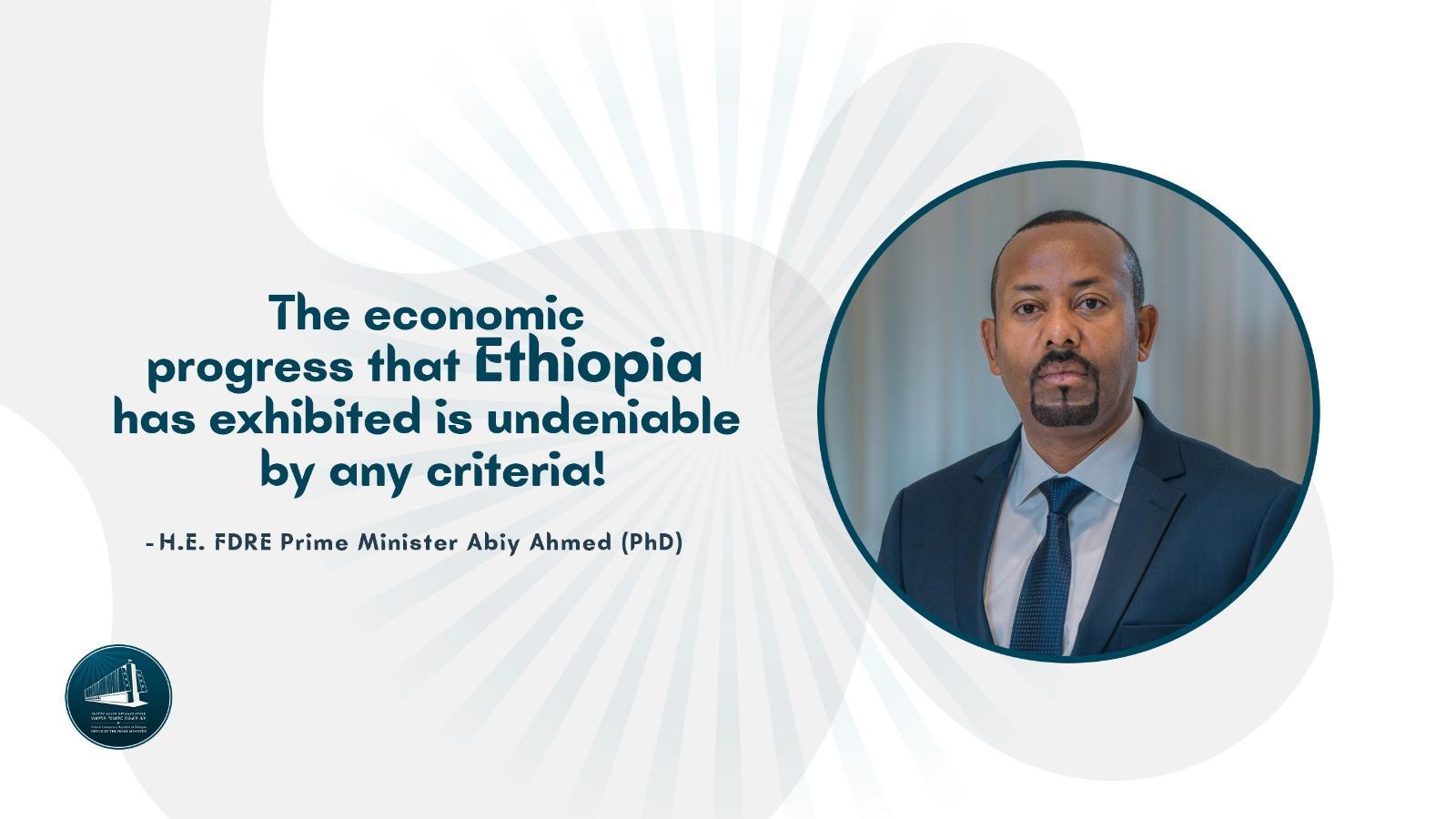
In that regard, “The economic progress that Ethiopia has exhibited is undeniable by any criteria,” Prime Minister Abiy underscored.
The Prime Minister concluded that the ongoing reforms will further strengthen Ethiopia’s financial capacity and expand opportunities for citizens and the business community.
For More News And Analysis About Ethiopia Follow Africa-Press