Africa-Press – Ethiopia. THE Middle East war involving the United States and Israel against Iran has forced Zimbabwe to source nitrogen gas for fertiliser production from Brazil, after supplies via the Strait of Hormuz were disrupted, Parliament heard yesterday.
Mutapa Investment Fund chief executive, John Mangudya, revealed the development during his appearance before the Parliamentary Committee on Industry and Commerce, which convened to examine the fertiliser value chain. He appeared alongside officials from the ministries of Lands, Industry and Finance.
It emerged that the Finance, Economic Development and Investment Promotion ministry injected US$5,3 million into Dorowa and a further US$3 million into Zimphos, which did not deliver any production.
In his oral evidence yesterday, Mangudya told the lawmakers that fertiliser production in Zimbabwe was affected by the war in the Middle East.
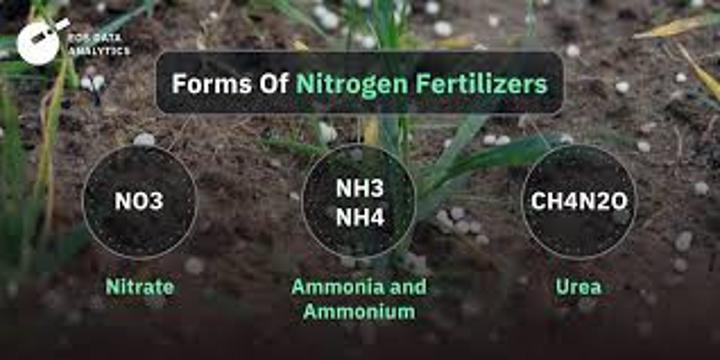
“The Strait of Hormuz, where the nitrogen comes from, the gas, yes, it’s true. We will also be able to import from Brazil the nitrogen,” he said.
“We have some consignments coming from the other side where there is no geopolitics or geopolitical developments.”
Iran has blocked Strait of Hormuz, allowing the passage of ships from friendly countries.
Mangudya also acknowledged the government funding of operations at Dorowa Mines and Zimphos.
“We are aware that the government is putting in place about US$4 million for the Zimphos and also some money about US$1,5 million just for the blenders for producing phosphates or fertiliser,” he said.
“Again, those are the missteps, I will call them missteps, which we have done, because for you to produce, to have a blender, you need to start with the phosphate rock and then go to phosphates, and then the fertiliser.
“So what we have tried to do is to step back and give an introspection of what we have done. These were missteps because you need phosphate rock before making phosphates and then fertiliser. We’ve learned from past mistakes and are moving forward.
“You are right that it is because of the diagnostic assessment that we have done, that we know what the best way forward is. The best foot forward is to put in place funding for Dorowa, US$5,3 million, which is required.”
Mangudya said the US$5,3 million for Dorowa would rehabilitate the plant to produce phosphate concentrate required by downstream industries.
“If we had put a blender, for example, before the rehabilitation of Dorowa, it would not have been feasible,” he said.
Mangudya said US$5 million had been set aside for the production of 100 000 metric tonnes at Dorowa for sulphur concentrate, which would then translate to about 300 000 parcel fertilisers.
“We have already secured the parts and the equipment, the consumables that have been procured, which were acquired by Dorowa for the refurbishment of the equipment,” he said.
“We are confident that the 100 000 metric tonnes of surface concentrate will be produced and ready to start producing 300 000 metric tonnes of parcel fertilisers in the year. This is the first one. Phase two is going to take into account the balance.
“I would like to start by saying that we have committed to put in place US$123 million for these entities to be able to produce. To date we have disbursed US$5,3 million to Dorowa for the refurbishment of the plant, so that they can produce, starting in May this year.
“We have also disbursed US$3 million for Zimphos, so that they can start producing fertiliser, especially through the other programmes that are being run by ARDA, which is under Mutapa. We have also disbursed $13,3 million for the chemicals.”
For More News And Analysis About Ethiopia Follow Africa-Press