Africa-Press – Ethiopia. A sustainable financing system anchored in strong political commitment is critical for Africa to effectively manage disaster risks through its own capacity, Ethiopian Disaster Risk Management Commission (EDRMC) said.
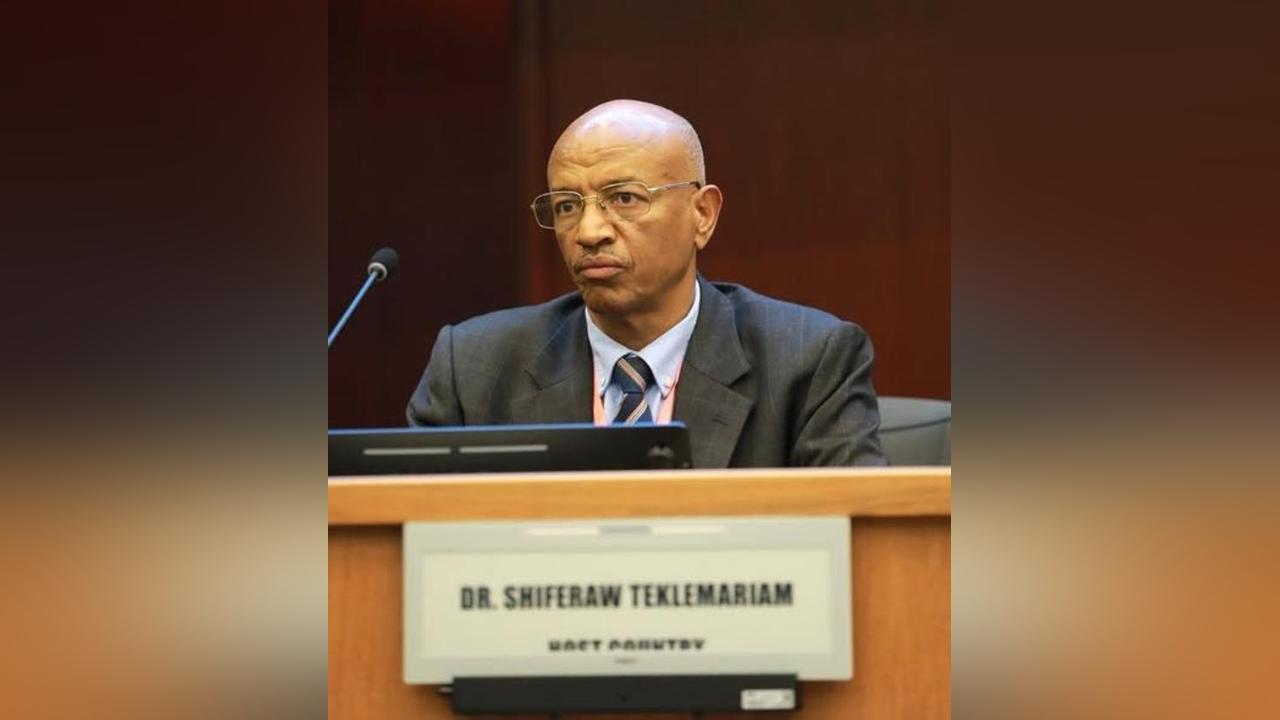
Speaking at the 16th Conference of the Parties of the African Risk Capacity, underway in Addis Ababa, EDRMC Commissioner Shiferaw Teklemariam stressed that long term financial resilience is central to building a self-reliant and responsive disaster risk management system across the continent.
The conference, held at the headquarters of the United Nations Economic Commission for Africa (UNECA), is convened under the theme “Strengthening Africa’s Resilience: Integrated Disaster Risk Management for Sustainable Development.”
The two-day forum has brought together around 300 delegates, including ministers and senior government officials from 39 member states of the African Risk Capacity, alongside representatives of international organizations.
Participants are deliberating on ways to enhance continental cooperation and partnerships aimed at strengthening disaster prevention mechanisms and financing capacity.
Commissioner Shiferaw further elaborated that Africa stands at a critical juncture, calling for collective efforts to achieve food sovereignty through domestic capacity.
“Africa must work together towards a shared goal of ensuring food sovereignty through its own capacity,” he added.
The commissioner also reaffirmed Ethiopia’s commitment to continental initiatives focused on strengthening resilience and achieving food security through self-reliance.
Highlighting growing consensus among African nations, the commissioner underscored the importance of building a robust continental financial architecture capable of delivering coordinated and timely disaster responses.
He noted that sustained political will, coupled with resilient financing systems, remains essential to achieving this objective.
He further emphasized that strengthening the African Risk Capacity framework and deepening cooperation among member states are vital to advancing the aspirations of African Union Agenda 2063.
From Ethiopia’s standpoint, he said the country is investing in strong institutional frameworks that support comprehensive disaster risk management systems.
He pointed to flagship national initiatives such as the Green Legacy Initiative (GLI), the Bounty of Basket, and the expansion of renewable energy as evidence of tangible progress toward building a climate resilient economy.
According to the commissioner, these efforts have contributed to Ethiopia’s selection as host of the conference.
Ethiopia is also using the platform to share its experience in delivering humanitarian assistance through domestic capacity and advancing food sovereignty initiatives.
The conference is expected to reinforce Africa’s collective capacity to prevent and respond to natural disasters while advancing sustainable development across the continent.
For More News And Analysis About Ethiopia Follow Africa-Press