Africa-Press – Ethiopia. Ethiopia has reached pivotal milestones in building a more competitive, inclusive, and resilient economy, underpinned by structural reform, sectoral transformation, and strengthened global engagement, according to the Office of the Prime Minister.
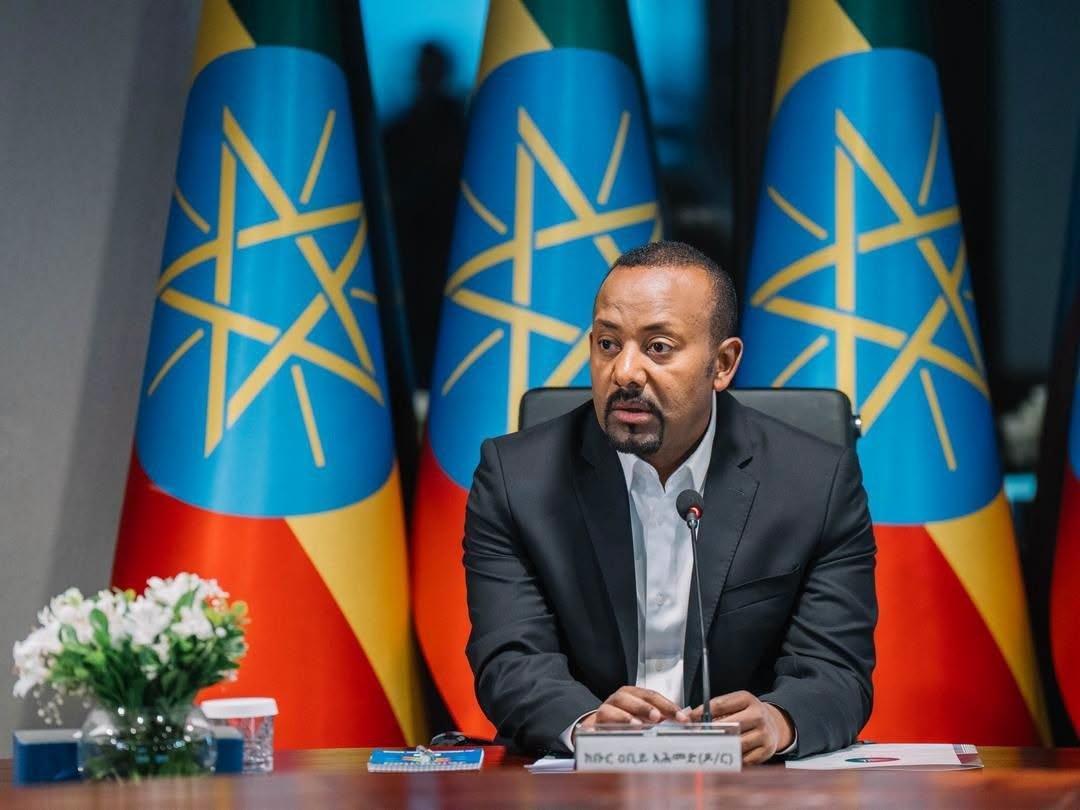
During a 100-day review and nine-month performance report presided over by Prime Minister Abiy Ahmed, the government outlined key achievements realized despite a historically challenging economic environment.
The Minister of Planning and Development, Fitsum Assefa, noted that these reforms were designed to address long-standing issues such as weak institutions, low productivity, limited private sector participation, and underperforming state-owned enterprises (SOEs).
In response to these challenges, the government implemented a pragmatic reform strategy focused on economic liberalization by opening the economy to competition and advancing “home-grown” policies.
This agenda emphasizes sectoral diversification to expand growth across multiple industries, supported by innovative financing mechanisms such as the development of capital markets and the expansion of public-private and public–people partnerships.
Furthermore, the strategy has strengthened economic governance through the implementation of coordinated oversight systems designed to ensure faster and more efficient project execution.
A central shift has been the elevation of the private sector as a key driver of growth, complemented by strengthened development partnerships and ongoing debt restructuring.
At the same time, institutional reforms, social inclusion efforts, and improvements in service delivery have aimed to expand access, enhance quality, and reinforce governance structures.
On the global stage, a more proactive, citizen-centred diplomacy has improved regional integration and international positioning.
Notable milestones include entry into BRICS+, expanded trade- and investment-focused partnerships, leadership in climate diplomacy, and selection to host COP32, alongside continued efforts to secure sea access.
These reforms have translated into strong economic outcomes. Growth currently stands at 9.2 percent, with projections of 10.2 percent, and an average of 7.5 percent sustained over the past eight years.
The investment climate has improved significantly, with 2,153 licenses issued (65 percent in manufacturing) while state-owned enterprises have shifted from an 8 billion birr loss to generating 2.1 trillion birr in revenue over nine months and creating approximately 96,000 jobs within just these nine months.
Sectoral performance highlights include increased agricultural mechanization, a rise in manufacturing market share from 25 to 46 percent, significant growth in gold exports, expansion of tourism investment and destinations, and rapid digital transformation through 4G and 5G rollout, digital public services, and emerging AI-focused institutions.
Progress has also been made in green growth and climate resilience through reforestation, emissions reduction, and climate-smart agriculture.
Humanitarian systems have been strengthened through improved reserve capacity, expanded storage infrastructure, enhanced early warning and emergency response, and greater community participation.
Overall, the reporting period reflects measurable progress toward building a more competitive, inclusive, and resilient economy underpinned by structural reform, sectoral transformation, and strengthened global engagement, the Office of the Prime Minister asserted.
For More News And Analysis About Ethiopia Follow Africa-Press