Africa-Press – Ethiopia. General elections in Ethiopia are set to take place on Monday amid ongoing conflict in parts of the country, meaning many will be unable to vote.
The northern Tigray region, which is trying to recover from a civil war that ended in 2022, has been completely excluded from the elections. This marks the seventh election since the fall of the military regime in 1991, which led to Eritrea’s separation two years later, and comes at a time of serious tension between Ethiopia and its northern neighbor. Media outlets are under strict censorship.
Voters will elect representatives to the parliament, which consists of 547 members, with the party that secures at least 274 seats gaining the right to form the next government to lead the country for the next five years.
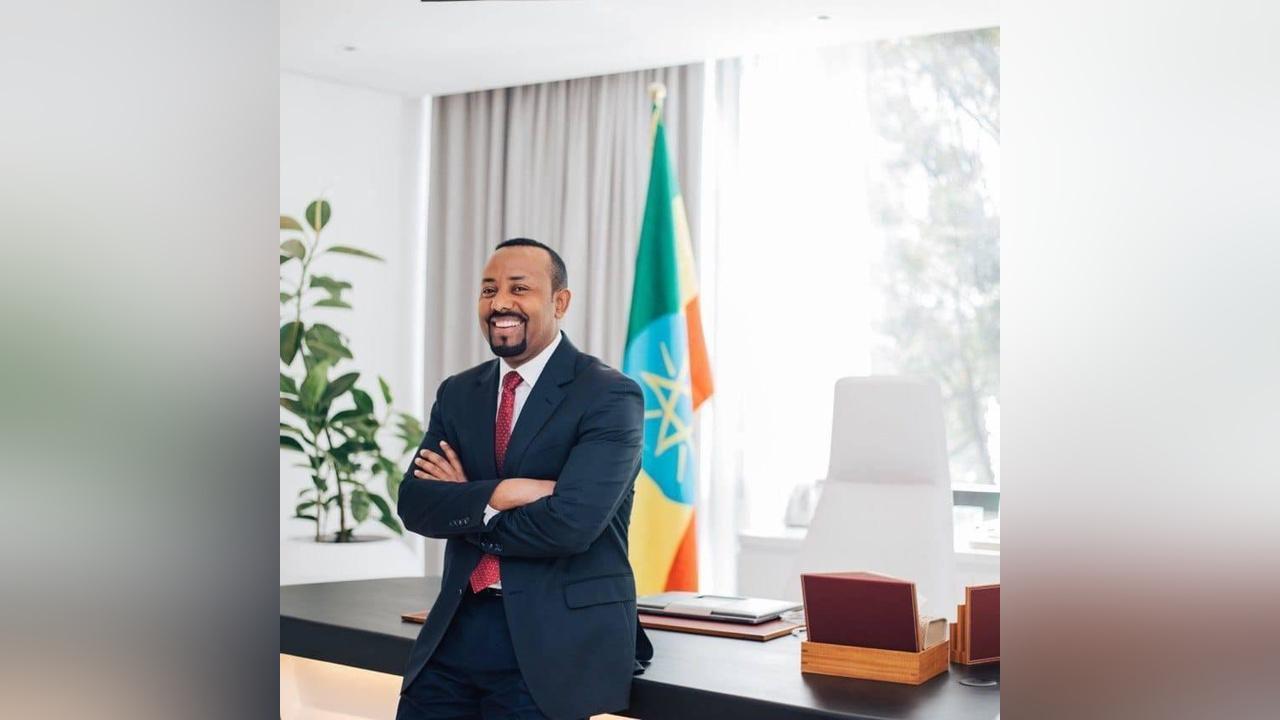
Abiy Ahmed, who is 49 years old, came to power in 2018 following widespread anti-government protests against the Ethiopian People’s Revolutionary Democratic Front, a coalition dominated by politicians from Tigray, which had ruled the country since 1991.
He then dissolved the Ethiopian People’s Revolutionary Democratic Front, of which he was a member, and replaced it with his party, the Prosperity Party, which adopts a more centralized and less federal governance system.
When Abiy Ahmed first took office, he was welcomed as a champion of democracy and press freedom after releasing hundreds of politicians and journalists from prison. He was awarded the Nobel Peace Prize in 2019 for ending a 20-year military stalemate with neighboring Eritrea.
Critics accuse his government of suppressing opposition, forcing dissenters into exile, and arresting political rivals. Veteran opposition politician and member of the Oromo Federalist Congress, Merera Gudina, claims that the upcoming elections are the least competitive in modern Ethiopian history.
He stated, “We participate symbolically because the law prevents us from boycotting elections consecutively. We participate primarily to avoid our names being removed from the voter lists.” Alongside ongoing tensions in Tigray, the Amhara and Oromia regions, which are among the most populous in the country, have experienced violent rebellions in recent years.
Fano militias in Amhara and the Oromo Liberation Army in Oromia continue to fight government forces, resulting in thousands of civilian deaths and the displacement of hundreds of thousands from their homes.
Both sides demand greater ethnic autonomy and feel betrayed by Abiy Ahmed, albeit for different reasons. Despite the insecurity, the government insists that 97% of the Amhara and Oromia regions are ready for elections.
The Ethiopian Unity Coalition, an opposition alliance formed to contest the elections as a united front, opposes this claim. Mesfin Selassie Tamrat, the coalition’s secretary, stated, “We have previously declared that we cannot campaign in the Amhara and Oromia regions due to the lack of conducive conditions.”
Magnus Taylor, a Horn of Africa affairs expert at the International Crisis Group (ICG), noted that it will be interesting to see how many voters will be able to cast their ballots.
He added, “Prime Minister Abiy will be confident of re-election. But this should not overlook the fact that there are many internal security issues, rebellions, and the risk of a new war breaking out in the north. These two realities can coexist.”
Meanwhile, the electoral commission announced that over 50.5 million people have registered to vote, and despite the conflicts and political tensions, many young and new voters expressed hope that the elections will bring stability.
Finit Derij, a resident of Addis Ababa, said, “If the election results are not positive, I believe that will affect my daily life economically and politically. If instability arises, I may not be able to continue my education, and mobility may become more difficult.”
Deputy Prime Minister Temesgen Tiruneh, hailing from Amhara where elections have already been canceled in 30 out of 137 constituencies, told local media in March that the ruling party “is not seeking to win everything” this time.
He said, “We have ministers from opposition parties. This trend will continue. We do not want to win 100% of the votes. We want to see our competitors succeed because we want to accommodate diverse voices.”