Africa-Press – Gambia. The National Assembly adopted a new report from its Gender Committee detailing overcrowded conditions, delayed court hearings, and persistent resource shortages at the country’s Juvenile Wing, following a week-long inspection of children’s institutions conducted in early May.
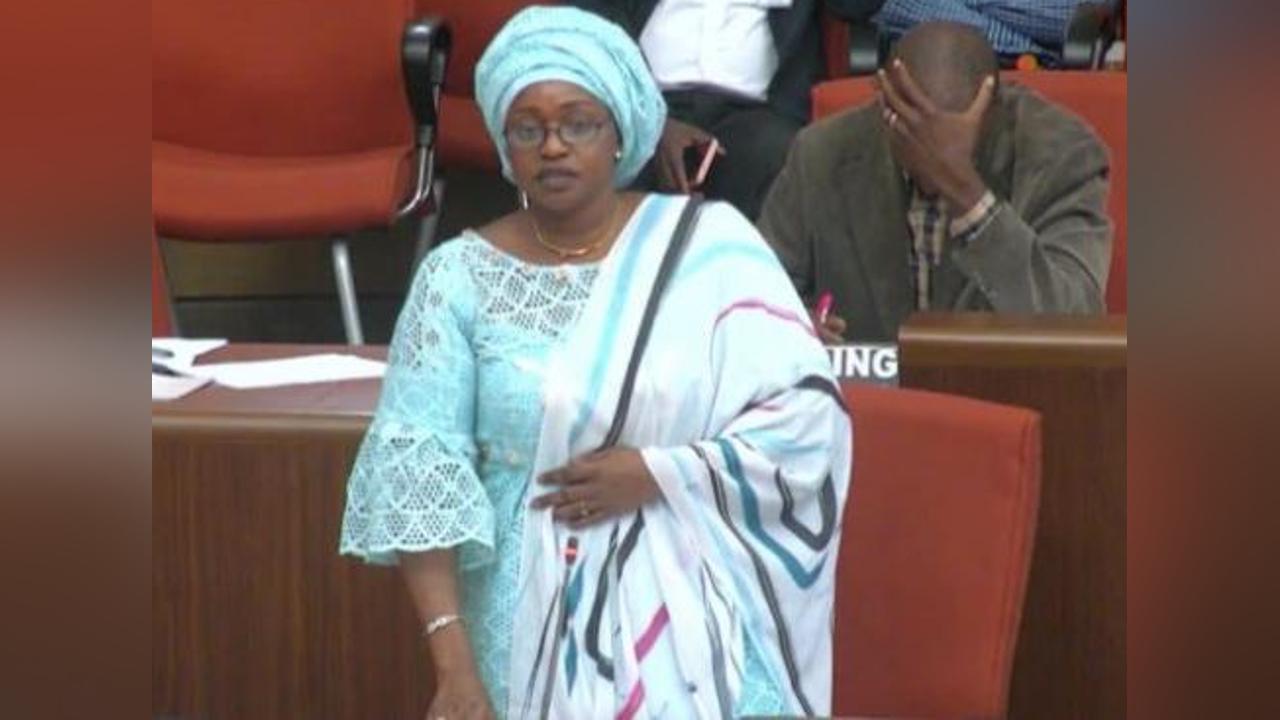
Presenting the findings, the committee’s vice chairperson, Hon. Fatou Cham, said the team found 34 children housed at the detention center—a number that exceeds its intended capacity of 25. Each child has a bed, she noted, but the cramped cells fall short of acceptable welfare and safety standards.
“Currently, there are thirty-four (34) children housed within the facility, each provided with an individual bed. However, the committee noted that the cells are overcrowded, as they were originally designed to accommodate only twenty-five (25) children,” the committee reported.
One of the committee’s most urgent concerns, the report states, is the prolonged delay in court appearances for many of the children held at the facility. Several detainees, particularly those whose cases have been repeatedly adjourned, have gone long stretches without appearing before a judge.
“It was brought to their attention that many children have not appeared in court for extended periods, especially those whose cases have been adjourned repeatedly. Such delays not only prolong their stay in the facility but also contravene the principle of timely and fair justice for minors,” he said.
The committee added that, “Another major concern is the fact that both the convicted and those on remand are kept together.”
Education at the Juvenile Wing remains uneven. While the facility now operates a fully functional school offering Arabic, English, and vocational subjects—an improvement the committee praised—teachers say many students avoid attending classes, often giving excuses to stay away. Only one child had been enrolled in school before entering the facility.
“According to the teacher, some children often make excuses to avoid attending lessons. The school currently offers Arabic, English, and practical/vocational subjects, which aim to equip them with basic literacy and life skills,” they noted.
The report highlights that a previous arrangement allowing children to attend external schools of their choice has been discontinued, leaving them fully dependent on the in-house program.
Committee members said the challenges confronting the center remain significant: insufficient resources, lack of a vehicle, overcrowding, infrequent family visits, and shortages of basic materials used in rehabilitation programs. Children charged with a wide range of offenses are kept in the same rooms, a practice the committee said complicates proper classification and protection.
Vocational training opportunities are also constrained. The tailoring workshop, for example, operates with just a single sewing machine, limiting the number of children who can participate.
The adopted report calls for urgent reforms to ensure that children in conflict with the law are housed, educated, and processed through the justice system in conditions consistent with national standards and international child-protection norms.
For More News And Analysis About Gambia Follow Africa-Press