Africa-Press – Gambia. The National Assembly’s Select Committee on Agriculture has called for urgent updates on ongoing agricultural projects, raising concerns over delays in the establishment of key soil laboratories and other activities across the country.
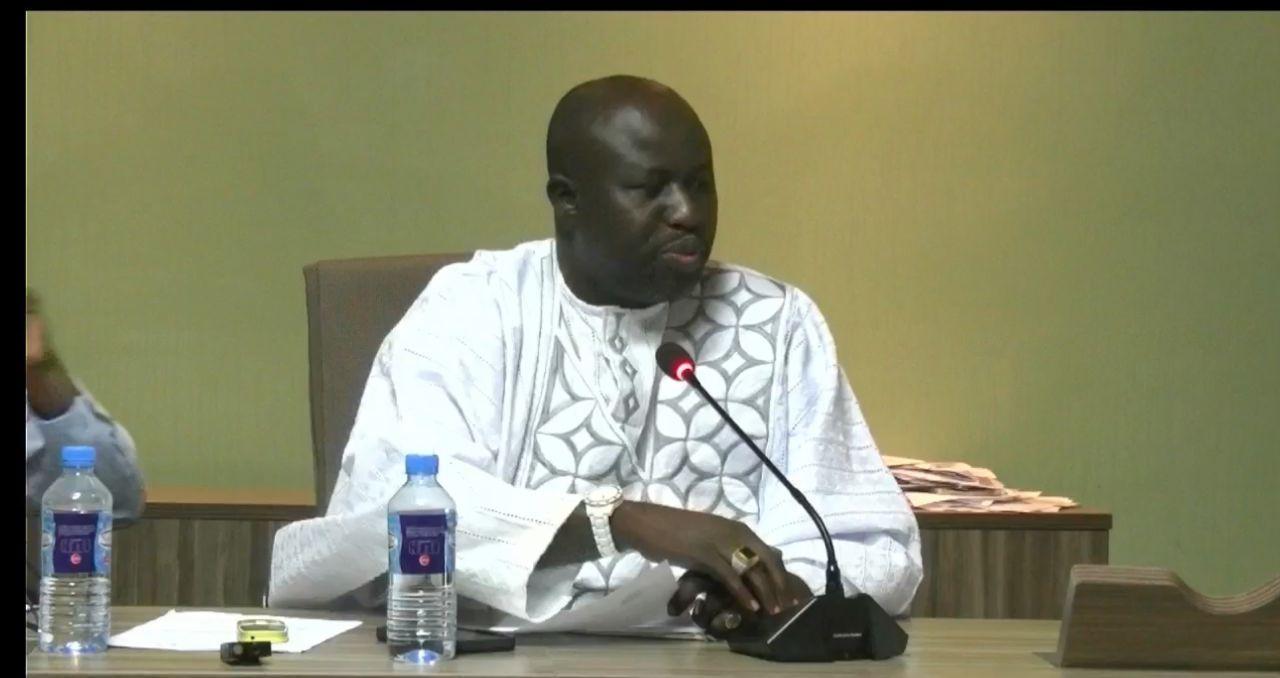
During a briefing with officials from the Ministry of Agriculture and the Central Project Coordinating Unit on Monday, committee members expressed dissatisfaction with the slow pace of implementation, noting that some planned facilities, particularly the soil and water management laboratory, remain incomplete despite the project being more than halfway through its three-year timeline.
Officials disclosed that the project, with a total budget of US$1.34 million, has recorded several milestones, including the installation of a spectral laboratory at the National Agricultural Research Institute (NARI), completion of a national soil survey across four agricultural regions, and full processing and scanning of collected soil samples.
They further reported that two cycles of fertilizer field trials have been conducted, while three university students are currently receiving sponsorship under the project to strengthen national capacity in soil science.
However, lawmakers criticised delays in constructing the soil and water management laboratory, which was not part of the original project design but was later identified as essential for effective soil analysis and fertilizer trials. Officials explained that site inspections and procurement processes are ongoing and expressed optimism that the facility will soon become operational.
Committee members also raised concerns regarding the digitalisation of soil maps and questioned how smallholder farmers, particularly those with limited digital literacy, would access the information.
Project coordinators responded that while the digital platform primarily targets private sector actors and larger-scale agricultural operations, measures are being put in place to ensure farmers benefit through intermediaries and agricultural extension services.
Discussions also addressed the training and placement of beneficiaries, with officials noting that students sponsored under the programme are already employed within government agencies and are expected to return to their respective departments upon completion of their studies.
The committee emphasised the importance of regular communication and oversight, stressing that early engagement and timely updates from project managers could help prevent delays and enhance transparency.
Lawmakers further urged that completed laboratories and testing facilities be accessible to rural farmers to directly support agricultural production and strengthen national food security.
The session concluded with a call for improved coordination between the Ministry of Agriculture, implementing partners, and the National Assembly to ensure timely delivery of critical agricultural projects and broader benefits for both small-scale farmers and investors.